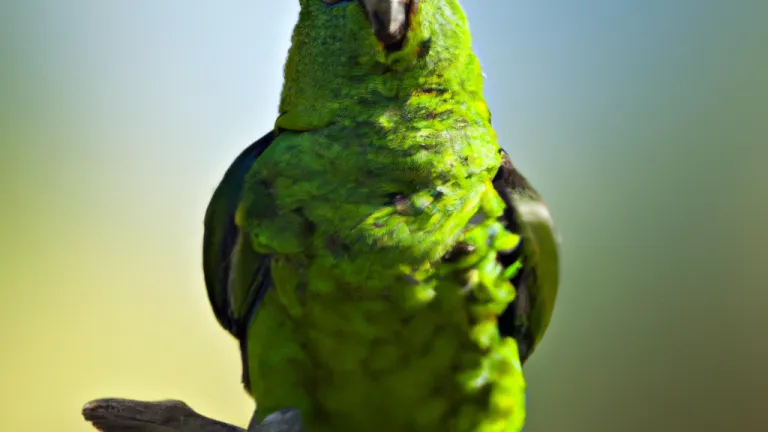
Explore the Incredible Diversity of Earth’s Wildlife
The wildlife on our planet is incredibly diverse and fascinating. Millions of animal species inhabit different environments around the world, each with unique characteristics adapted to survive in their respective habitats. In this article, we will explore the richness of terrestrial and aquatic wildlife, highlighting the importance of preserving these species for the balance of ecosystems.
The Diversity of Terrestrial Wildlife
Terrestrial wildlife comprises an impressive variety of animals, from small insects to large mammals. In environments such as tropical forests, savannas, deserts, and mountains, we can find a great diversity of species adapted to the specific conditions of each location.
Among terrestrial mammals, we have animals like the African elephant, Siberian tiger, polar bear, gray wolf, and koala. Each of these animals plays an important role in the ecosystem in which it lives, contributing to the ecological balance of the region.
In addition to mammals, terrestrial wildlife also includes a wide variety of reptiles, birds, and amphibians. Snakes, lizards, eagles, owls, frogs, and salamanders are just a few examples of the diversity of animals we can find in different terrestrial environments.
The Diversity of Aquatic Wildlife
The oceans, rivers, lakes, and seas of our planet harbor an immense diversity of aquatic species. From small colorful fish to giant marine mammals, aquatic wildlife is as rich and varied as terrestrial wildlife.
In coral reefs, we can find a wide variety of tropical fish, mollusks, crustaceans, and colorful corals. These ecosystems are true nurseries of marine life, where biological diversity is impressive.
In the deep oceans, strange and fascinating creatures like abyssal fish, giant squids, sharks, and whales dwell. These animals are adapted to the extreme conditions of the ocean depths and play fundamental roles in the marine food chain.
The Importance of Wildlife Preservation
Preserving wildlife is crucial for maintaining the balance of ecosystems and the survival of all species, including ours. The loss of biodiversity due to the destruction of natural habitats, illegal hunting, and pollution threatens the stability of ecosystems and endangers the planet’s health as a whole.
Through conservation measures and environmental protection, we can ensure the survival of species and the health of ecosystems. Creating protected areas, combating illegal hunting, reducing pollution, and promoting sustainable tourism are some actions that can be taken to protect wildlife and promote biodiversity conservation.
Conclusion
The diversity of Earth’s wildlife is a treasure we must value and protect. Each animal species plays a unique and fundamental role in the balance of ecosystems, and preserving biodiversity is essential to ensure a sustainable future for future generations.
Exploring and knowing the incredible diversity of terrestrial and aquatic wildlife is a way to connect with nature and raise awareness about the importance of environmental conservation. By valuing and protecting wildlife, we contribute to the planet’s health and the well-being of all life forms that share this incredible planet Earth with us.
