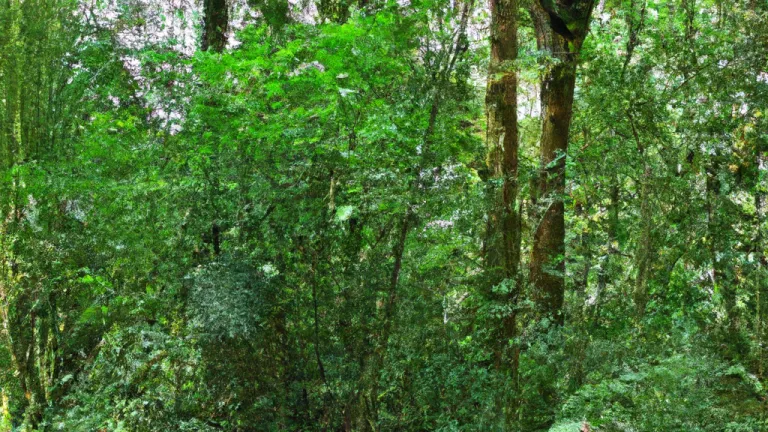
Explore the Fascinating Web of Life in Ecosystems: Essential Insights
The ecosystem is a complex and interconnected system where all living and non-living elements interact harmoniously to sustain life on Earth. In this article, we will explore the fascinating web of life that makes up the ecosystem, from interactions between different organisms to the importance of preserving this balance to ensure the survival of all species.
Biodiversity: The Foundation of the Web of Life
Biodiversity is the variety of life forms existing in an ecosystem, from plants, animals, fungi to microorganisms. Each species plays a fundamental role in maintaining ecological balance, contributing to the stability of the ecosystem as a whole.
Ecosystems are composed of different trophic levels, representing each organism’s position in the food chain. From producers, which are plants responsible for energy production through photosynthesis, to primary, secondary consumers, and decomposers, each link in the food chain is essential for ensuring the transfer of energy and nutrients throughout the web of life.
The Interdependence of Organisms
One of the most fascinating characteristics of the ecosystem is its interdependence, or how organisms are connected and depend on each other to survive. For example, plants provide food and shelter for animals, which in turn disperse seeds and contribute to flower pollination.
Moreover, organisms relate through food chains and trophic webs, where energy transfer occurs from one trophic level to another. When an organism is removed from the web of life, it can significantly impact the entire ecosystem, triggering imbalances and affecting the survival of other species.
The Importance of Ecosystem Conservation
Preserving the ecosystem is crucial to ensuring the continuity of life on Earth. The destruction of natural habitats, pollution, climate change, and uncontrolled exploitation of natural resources are some of the threats that endanger biodiversity and ecosystem stability.
To protect the web of life in the ecosystem, it is essential to adopt sustainable practices and promote nature conservation. This includes creating protected areas, reforestation, waste recycling, responsible use of natural resources, and promoting environmental education.
Conclusion
The ecosystem is a complex network of ecological interactions that sustains life on Earth. Biodiversity, organism interdependence, and the importance of conservation are essential aspects to understanding the incredible web of life that surrounds us. By protecting and preserving the ecosystem, we are ensuring a sustainable future for future generations and all species that share our planet.
To learn more about sustainable practices and the importance of environmental preservation, check out the following posts on our blog:
- Unlocking a Sustainable Future: Essential Insights on Renewable Energy
- Adopt a Zero Waste Lifestyle: Tips and Inspirations to Save the Planet
- The Future is Now: Harness the Power of Clean Energy
