Clean Energy: Embracing a Sustainable Future
In today’s world, the pursuit of clean and sustainable energy sources has become increasingly important. With growing awareness of the negative impacts of traditional energy sources like oil and coal, transitioning to renewable energies is essential to ensure a more sustainable future for the planet. In this article, we will explore what clean energy is, the different forms of renewable energy available, and how they can shape the future of our society.
What is Clean Energy?
Clean energy, or renewable energy, is obtained from natural and inexhaustible sources, such as sunlight, wind, water, and Earth’s heat. Unlike non-renewable energy sources like oil and coal, clean energies do not emit greenhouse gases and do not contribute to climate change. Moreover, these energy sources are sustainable in the long term as they do not deplete with continuous use.
Forms of Clean Energy
Solar Energy
Solar energy is one of the most popular forms of clean energy today. It is obtained from sunlight, which is captured by solar panels and converted into electricity. Solar panels can be installed on residential rooftops, in rural areas, or at large solar farms. Solar energy is abundant and free, and its use helps reduce dependence on fossil fuels.
To learn more about how solar energy can be a sustainable solution for the future, check out our post 7 Creative Ways to Turn Trash into Treasure: Recycling in Action.
Wind Energy
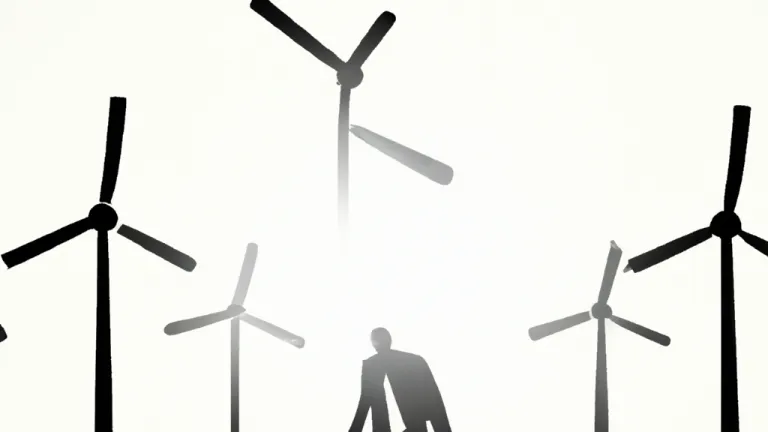
Wind energy is generated from the power of the wind, which is captured by wind turbines and converted into electricity. Like solar energy, wind energy is an abundant and clean source that does not emit atmospheric pollutants. Wind turbines can be installed on land or at sea in wind farms that can supply electricity to entire cities.
Hydroelectric Energy
Hydroelectric energy is obtained from the force of moving water, such as rivers and waterfalls. Water is used to turn turbines that generate electricity in hydroelectric plants. Although it is a clean energy source, the construction of hydroelectric plants can have environmental impacts, such as the loss of natural habitats and changes to aquatic ecosystems.
To learn more about making sustainable choices in your daily life, check out our post 10 Simple Ways to Make Your Life More Sustainable.
The Future of Clean Energy
The future of clean energy is promising, with technological advancements and significant investments being made in renewable energy sources. Governments, companies, and individuals are increasingly aware of the importance of reducing greenhouse gas emissions and mitigating the impacts of climate change. Transitioning to a greener and more sustainable economy is essential to ensure a better future for upcoming generations.
To learn more about the challenges and impacts of climate change, check out our post The Future of Climate Change: Impacts and Challenges Ahead.
Conclusion
Clean energy is the sustainable future that awaits us, offering a viable and environmentally responsible alternative to traditional energy sources. With the increased adoption of renewable energies, we can reduce our carbon footprint, protect the environment, and ensure a healthier planet for future generations. It is time to invest in a cleaner and more sustainable future, and clean energy is the key to achieving this goal.
