How Clean Energy is Revolutionizing Sustainability Worldwide
Concern for the environment and the pursuit of sustainable practices are becoming increasingly prevalent in today’s society. One of the main ways to promote sustainability is through the use of clean energy, which does not emit polluting gases and helps reduce environmental impact. In this article, we will explore how clean energy is revolutionizing sustainability and how you can be part of this change.
What is Clean Energy?
Clean energy, also known as renewable energy, is generated from natural and inexhaustible sources, such as sunlight, wind, water, and biomass. Unlike fossil fuels, which are finite and cause environmental damage, clean energies are sustainable and do not emit greenhouse gases.
Main Sources of Clean Energy
There are several clean energy sources available today, each with its own characteristics and benefits. Some of the main sources of clean energy are:
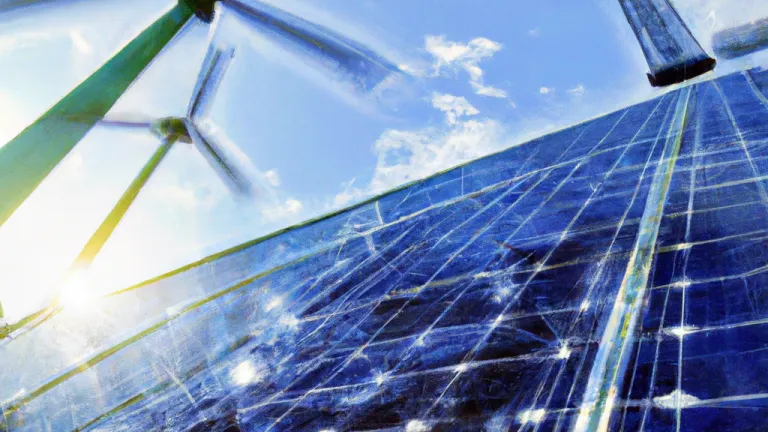
- Solar energy: generated from sunlight, it is one of the most abundant and accessible energy sources. Solar panels convert sunlight into electricity that can be used in homes, businesses, and industries.
- Wind energy: produced through the power of the wind, it is a clean and renewable energy source. Wind turbines capture the kinetic energy of the wind and convert it into electricity.
- Hydroelectric energy: obtained from the force of moving water, it is one of the most widely used energy sources in the world. Hydroelectric plants generate electricity from the water flow in rivers or dams.
- Biomass energy: produced from organic waste, such as food scraps and agricultural residues, it is a form of clean and renewable energy. Biomass can be used to generate heat, electricity, and biofuels.
Benefits of Clean Energy
The use of clean energies brings a range of benefits to the environment and society as a whole. Some of the main benefits of clean energy are:
- Reduction of greenhouse gas emissions: clean energies do not emit carbon dioxide and other pollutants, contributing to the reduction of global warming and climate change.
- Preservation of natural resources: by using renewable energy sources, such as sunlight and wind, we preserve natural resources and avoid the excessive exploitation of fossil fuels.
- Promotion of sustainability: clean energy is a way to promote sustainability and ensure a more balanced and healthy future for future generations.
- Creation of green jobs: the clean energy sector generates jobs in areas such as solar panel installation, wind turbine maintenance, and biofuel production, contributing to economic and social development.
How to Adopt Clean Energy in Your Life
If you want to be part of the clean energy revolution and contribute to a more sustainable world, there are several ways to adopt this practice in your daily life. Some simple steps include:
- Install solar panels in your home or business to generate clean energy and reduce your electricity bill.
- Opt for electric or hybrid vehicles, which use clean energy and produce fewer pollutants.
- Save energy at home by turning off electronic devices when not in use and using LED bulbs.
- Invest in renewable energy sources, such as clean energy investment funds and sustainable companies.
- Participate in campaigns and movements in favor of clean energy and sustainability, urging governments and companies to adopt more responsible practices.
Conclusion
Clean energy is revolutionizing the world of sustainability, offering a viable and sustainable alternative to fossil fuels and contributing to environmental preservation. By adopting clean energy practices in our daily lives, we can make a difference and ensure a greener and healthier future for future generations. Join this revolution and be part of the change!
