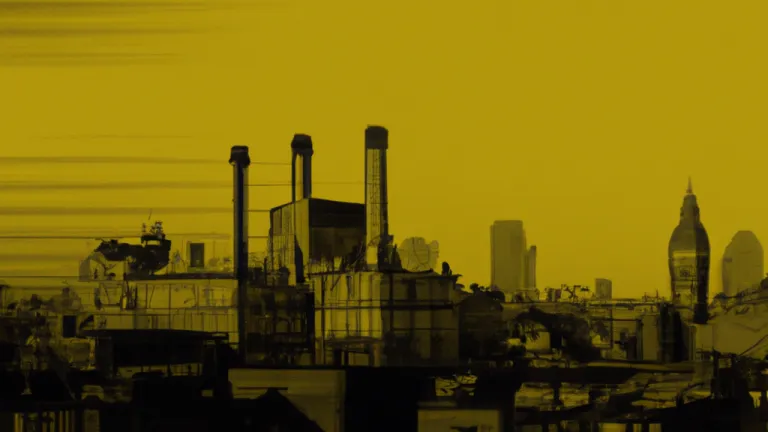
Breathing Pollution: The Health and Environmental Impacts of Contaminated Air
Air pollution is a global issue that directly affects people’s health and the environment. Inhaling pollutants present in the air can cause a range of respiratory and cardiovascular diseases, as well as contribute to global warming and the degradation of the ozone layer. In this article, we will explore the impacts of air pollution on our health and the environment, and discuss ways to mitigate this growing problem.
Impacts on Human Health
Exposure to pollutants in contaminated air can have serious consequences for human health. Fine particles, such as vehicle smoke and industrial emissions, can penetrate the lungs and cause irritation and inflammation, leading to conditions like asthma, bronchitis, and emphysema. Additionally, chronic exposure to these particles is associated with a higher risk of heart disease and strokes.
Nitrogen dioxide, another common air pollutant, can worsen existing respiratory problems and increase susceptibility to respiratory infections like colds and flu. Long-term exposure to this gas is also linked to a higher risk of developing cardiovascular diseases, such as atherosclerosis and hypertension.
Furthermore, air pollution has been associated with an increased incidence of lung cancer and other respiratory system-related diseases. Studies show that exposure to atmospheric pollutants can significantly contribute to the development of these conditions, making air quality a growing public health concern worldwide.
Impacts on the Environment
Air pollution not only affects human health but also has significant impacts on the environment. Atmospheric pollutants can contribute to the formation of acid rain, which can damage forests, water bodies, and terrestrial ecosystems. Additionally, air pollution can cause the death of plants and animals, affecting biodiversity and ecosystem balance.
Greenhouse gases released into the atmosphere as a result of fossil fuel combustion and other human activities contribute to global warming and climate change. The increase in the planet’s average temperature is causing polar ice caps to melt, sea levels to rise, and extreme weather events, such as hurricanes and droughts, to occur.
Furthermore, air pollution also contributes to the degradation of the ozone layer, which protects life on Earth from the sun’s harmful ultraviolet rays. The release of chemicals like chlorofluorocarbons (CFCs) into the atmosphere has caused the reduction of the ozone layer, increasing the population’s exposure to skin diseases, cataracts, and skin cancer.
Ways to Mitigate Air Pollution
To combat the impacts of air pollution on our health and the environment, it is essential to adopt measures to reduce atmospheric pollutant emissions. This includes implementing vehicle and industrial emission control policies, encouraging the use of clean and renewable energy, and investing in pollution control technologies.
Additionally, it is important for individuals to also do their part to reduce air pollution. This includes opting for sustainable transportation methods, such as public transport, cycling, or walking, reducing energy consumption at home and work, and supporting businesses and governments that adopt environmentally responsible practices.
Awareness and environmental education also play a fundamental role in the fight against air pollution. It is important for people to understand the impacts of atmospheric pollution on our health and the environment and to engage in individual and collective actions to reduce pollutant emissions and promote air quality.
Conclusion
Air pollution is a serious problem that affects people’s health and the environment on a global scale. Inhaling atmospheric pollutants can cause a range of respiratory and cardiovascular diseases, as well as contribute to global warming and the degradation of the ozone layer. To combat this growing problem, it is essential to adopt measures to reduce pollutant emissions and promote sustainable practices in all areas of our lives.
With awareness and engagement from everyone, we can work together to breathe cleaner air and protect the health of future generations, as well as preserve the beauty and biodiversity of our planet.
Internal Links:
- Explore the Incredible Diversity of Wildlife on Our Planet
- Preserving Natural Beauty: How Nature Conservation Impacts Our Planet
- Shaping the Future with Sustainable Mobility: How Can We Make a Difference?
Sources:
- World Health Organization – Air Pollution
- Environmental Protection Agency – Air Pollution and Transportation
