O Planeta

Beginner’s Guide to Growing Herbs at Home

Beginner’s Guide to Growing Herbs at Home

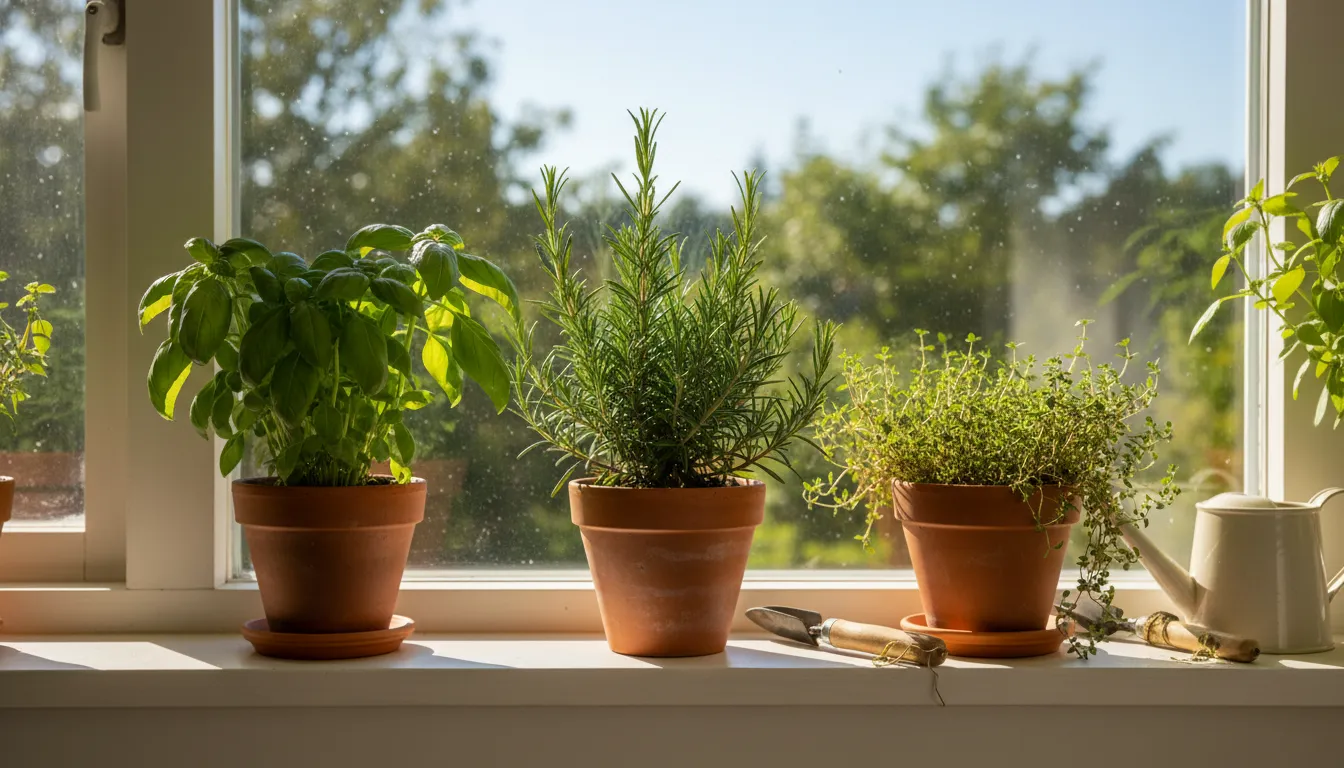
Imagine opening the fridge to prepare dinner and, instead of finding a wilting bunch of parsley in the drawer, walking to the window to pick exactly what you need, fresh, aromatic, and grown with your own hands. This simple scene represents a powerful shift in how we relate to food, the space we live in, and the planet. Growing an herb garden at home is one of the most accessible and rewarding practices anyone can adopt, whether you have a backyard or just a windowsill.

Beyond the immediate pleasure, there is a real environmental impact to this choice. Many of the herbs sold in supermarkets travel long distances to reach the consumer, generating transportation emissions and producing plastic packaging waste—often non-recyclable. When you grow your own basil, rosemary, or chives, you directly reduce this chain of impacts. And, as you will see in this guide, the process is surprisingly simple.

In the following sections, we will cover everything you need to know to set up your first herb garden at home: which plants to choose, how to prepare the space, daily care, and how to make the most of each harvest. If you’ve already taken steps toward a more sustainable lifestyle—perhaps exploring sustainable habits that transform your daily life—an herb garden is the next natural and concrete step.

Why Growing Herbs at Home is a Sustainable Choice

Growing aromatic herbs at home is not just a charming hobby: it is a decision with measurable environmental implications. The global food system is responsible for a significant portion of greenhouse gas emissions, and part of this impact comes from the transportation, refrigerated storage, and distribution chain of fresh products—including the herbs that appear packaged in plastic on shelves.

When you grow at home, you also reduce food waste. Supermarket-bought herbs have a short shelf life and often end up in the trash before being fully used. In a home garden, you harvest only what you need, at the right time. This simple gesture combats food waste, a serious problem: according to the United Nations Food and Agriculture Organization (FAO), approximately one-third of all food produced worldwide is wasted globally.

Moreover, home gardens, even small ones, contribute to urban biodiversity, attract pollinators like bees and butterflies, and help create a connection with the natural cycles of life—something increasingly rare in cities.

Which Herbs to Choose: The Best for Beginners

Choosing the right plants makes all the difference for beginners. Some herbs are extraordinarily resilient and tolerant to mistakes, making them perfect for a first encounter with cultivation.

Herb

Light Needed

Watering

Difficulty

Basil

Full sun

Frequent

Easy

Chives

Sun to partial shade

Moderate

Very easy

Parsley

Sun to partial shade

Moderate

Easy

Mint

Partial shade

Moderate

Very easy

Rosemary

Full sun

Sparse

Easy

Thyme

Full sun

Sparse

Easy

Cilantro

Sun to partial shade

Moderate

Intermediate

Tips for different spaces:

  • Sunny window: basil, rosemary, and thyme thrive well
  • Shadier environment: chives, parsley, and mint are your allies
  • Limited space: chives and thyme grow compact and fit in small pots
  • Quick harvest: chives can be harvested a few weeks after planting

    An important detail: mint has invasive growth and should always be grown in a separate pot, never with other herbs.

    How to Set Up Your Herb Garden: Step by Step

    You don’t need expensive tools or much space. With a few pots, suitable soil, and a bit of attention, you can have a functional garden in any environment.

    1. Choose the available space. It can be a window, a balcony, a shelf near a light source, or even a well-lit kitchen corner. The main criterion is sunlight exposure—most herbs need at least 4 to 6 hours of light per day.
      1. Select the containers. Clay pots, reused cans, cut PET bottles, wooden boxes—almost anything works, as long as it has drainage holes at the bottom. Avoid using pots without water outlets, as waterlogging is the main cause of herb death at home.
        1. Prepare the substrate. Use a mix of potting soil with substrate for pots, ensuring good drainage and nutrition. Avoid soil taken directly from urban ground, which can be compacted and nutrient-poor. Embrapa provides guidelines on suitable substrate compositions for home cultivation.
          1. Plant the seedlings or sow. For beginners, buying ready seedlings from nurseries is more practical and increases the chances of success. If you prefer to sow, place 2 to 3 seeds per pot at a depth of 0.5 cm to 1 cm, lightly covering with substrate.
            1. Water carefully. The frequency varies by species (see the table above), but a general rule is: water when the top layer of soil feels dry to the touch. Overwatering is more harmful than underwatering for most herbs.
              1. Position and observe. After planting, position the pots according to each plant’s light needs. In the first few weeks, observe the leaves: yellowing may indicate excess water or lack of nutrients; wilted and dried leaves indicate thirst or too much direct sun.
                1. Apply light and periodic fertilization. Every 30 days, apply a diluted organic liquid fertilizer (such as worm biofertilizer, available at agricultural stores) to replenish substrate nutrients.

                  Daily Care: How to Keep Your Garden Healthy

                  Having a home garden requires consistency, not necessarily a lot of time. A few minutes a day are enough to keep the plants healthy.

                  Basic weekly routine:

                  • Check soil moisture before watering
                  • Look for pests (aphids, scale insects) on the leaves—especially on the underside
                  • Remove yellowed or dried leaves to stimulate new growth
                  • Rotate the pots regularly so all sides of the plant receive light evenly

                    Pest control without pesticides:

                    One of the advantages of a home garden is the ability to grow without chemicals. For common pests:

                    • Aphids: warm water spray or diluted soapy water solution
                    • Scale insects: manual removal with alcohol-soaked cotton
                    • Fungi (white or brown spots): improve ventilation and avoid wetting the leaves when watering

                      How to Harvest Herbs Without Damaging the Plant

                      Proper harvesting is essential to keep the plant productive for longer. Many beginners make the mistake of randomly picking leaves—which can weaken the plant or stimulate irregular growth.

                      Basic harvesting principles:

                      • Always use clean scissors or a knife—do not pull with your hands
                      • Harvest no more than one-third of the plant at a time
                      • For basil, always cut above a pair of leaves, encouraging lateral branching
                      • For rosemary and thyme, prefer the newer branches at the tips
                      • For chives and parsley, cut close to the base—they regrow easily
                      • Never let basil flower if you want to keep the leaves flavorful—remove flower buds as soon as they appear

                        Reusing and Preserving Herbs from Your Garden

                        In times of abundance—and they do happen—it’s important to know how to preserve the surplus without waste.

                        Practical preservation methods:

                        • Freezing: wash, dry, and chop the herbs. Distribute in ice cube trays with a drizzle of olive oil and freeze. Use the cubes directly in recipes
                        • Air drying: tie small bunches and hang in a ventilated, dry place for 1 to 2 weeks. Works well for rosemary, thyme, and parsley
                        • Infused oil: submerge fresh herbs (like rosemary or thyme) in olive oil and store in a sealed jar—a handmade seasoning with zero waste
                        • Herb butter: mix chopped herbs with softened butter, wrap in parchment paper, and freeze

                          These practices align perfectly with the philosophy of the zero waste lifestyle, which proposes rethinking consumption from origin to disposal.

                          Expanding Your Garden: Next Steps for Enthusiasts

                          After a few weeks of growing your first herbs, it’s natural to want to expand. There are interesting paths for those who want to go further:

                          • Home composting: use leaf and peel scraps to produce organic fertilizer at home, closing the nutrient cycle
                          • Expand your repertoire: try fennel, lemon balm, lavender, purple basil, or even potted peppers
                          • Vertical systems: pallet panels or cultivation bags fixed on the wall maximize space in apartments
                          • Seedling exchange with neighbors: a community practice that strengthens bonds and enhances local biodiversity at no additional cost
                          • Rainwater harvesting for watering: even on balconies, small containers can collect enough water for plant maintenance

                            Conclusion: A Small Gesture with Real Impact

                            Beginner's Guide to Growing Herbs at Home - Conclusion: A Small Gesture with Real Impact

                            Setting up an herb garden at home is both a practical and symbolic act. Practical because you have fresh herbs available, reduce grocery expenses, and decrease food waste. Symbolic because it represents a reconnection with nature, the timing of plants, and the idea that small daily actions matter.

                            You don’t need everything ready before starting. Begin with a single pot, a single herb—preferably the one you use most in the kitchen. Observe, care, harvest, and feel the satisfaction of growing something with your own hands. This is the beginning of a journey that can expand as your interest and space allow.

                            The planet appreciates every conscious choice, no matter how small it seems. And your kitchen, certainly, does too.

                            Leave a Reply

                            Your email address will not be published. Required fields are marked *

                            This site uses Akismet to reduce spam. Learn how your comment data is processed.

                            Back To Top