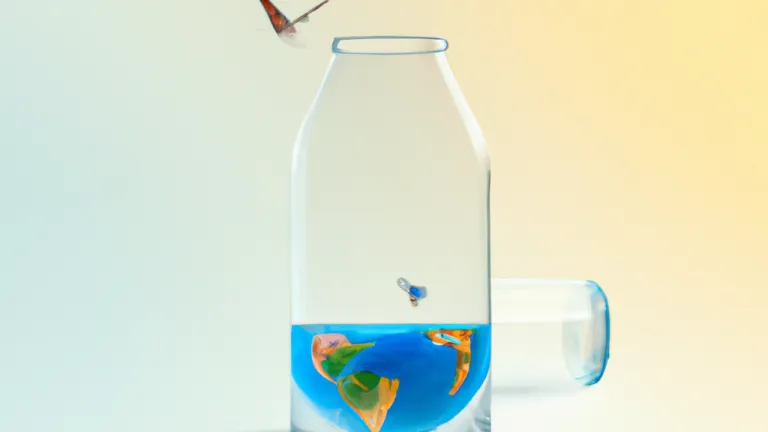
Unveiling the Devastating Impacts of Water Pollution: Essential Insights
Water is a vital resource for life on Earth, essential for the survival of all living beings. However, water pollution poses a significant threat to the health of aquatic ecosystems and human health. In this article, we will explore the devastating impacts of water pollution and what you need to know to help protect this precious resource.
What is Water Pollution?
Water pollution is the introduction of harmful substances, such as chemicals, industrial waste, sewage, and plastics, into bodies of water like rivers, lakes, oceans, and aquifers. These contaminating substances can have detrimental effects on water quality and the living organisms that depend on it for survival.
Impacts of Water Pollution
1. Harm to Human Health
Water pollution can lead to the contamination of drinking water sources, making it unsafe for human consumption. This can result in waterborne diseases such as cholera, hepatitis A, and giardiasis. Additionally, exposure to toxic chemicals present in contaminated water can cause health issues like liver, kidney, and nervous system damage.
2. Impacts on Aquatic Ecosystems
Aquatic ecosystems are particularly vulnerable to water pollution, as many plant and animal species rely on a healthy aquatic environment to survive. Water contamination can lead to the death of aquatic organisms, destruction of natural habitats, and loss of biodiversity. This can have cascading effects throughout the food chain and the balance of aquatic ecosystems.
3. Economic Impacts
Water pollution can also have significant economic impacts. For example, contamination of drinking water sources can result in additional costs for water treatment before it is consumed by the population. Moreover, water pollution can affect economic sectors such as fishing and tourism, harming the local economy.
How to Prevent Water Pollution
To prevent water pollution and protect this vital resource, it is important to adopt sustainable and conscious practices in our daily lives. Some measures we can take include:
1. Reduce Chemical Use
Avoid excessive use of chemicals in your home and garden, opting for more natural and environmentally friendly alternatives. Cleaning products, pesticides, and fertilizers can seep into the soil and contaminate water sources.
2. Proper Waste Disposal
Properly dispose of solid waste, such as plastics, glass, and metals, using the recycling and selective collection systems available in your area. Avoid littering in rivers, lakes, and oceans, as this can pollute waters and harm aquatic life.
3. Conserve Water
Conserve water at home by fixing leaks, installing water-saving devices, and adopting more conscious consumption habits. The less water we use, the fewer waste we have to deal with, and the less pressure we place on water resources.
Conclusion
Water pollution is a serious threat to the health of aquatic ecosystems and human health. It is crucial that each of us does our part to prevent water pollution and protect this vital resource for life on the planet. By adopting sustainable and conscious practices in our daily lives, we can contribute to the preservation of water bodies and the health of all living beings that depend on them.
Links internos:
– Breathing Pollution: The Invisible Impacts on Our Daily Lives
– Respirando poluição: Os impactos invisíveis no nosso dia a dia
– 7 Ways to Practice Conscious and Sustainable Consumption
– 7 maneiras de praticar um consumo consciente e sustentável
– Breathing Amid Pollution: How Contaminated Air Impacts Our Health
Links externos:
– Fonte: World Health Organization – Water, sanitation, hygiene and health
– Fonte: Environmental Protection Agency – Water Pollution: Basic Information
