Renewable Energy: The Sustainable Future of Power
In today’s world, the search for clean and sustainable energy sources is a global priority. Renewable energies have emerged as a viable and promising alternative to reduce dependence on fossil fuels and mitigate the environmental impacts caused by conventional energy generation. In this article, we will explore the role of renewable energies in the sustainable future of energy.
The Importance of Renewable Energy
Renewable energies, also known as clean energies, are energy sources obtained from natural resources that are naturally replenished, such as sunlight, wind, water, biomass, and Earth’s heat. Unlike fossil fuels, renewable energies are inexhaustible and do not emit greenhouse gases during electricity generation, thus contributing to the reduction of global warming and air pollution.
Furthermore, renewable energies are a more sustainable and economical alternative in the long run, as the costs of installing and maintaining renewable energy systems are constantly decreasing, making them more accessible for businesses and consumers. This transition to an energy matrix based on renewable sources is essential to ensure energy security and the planet’s sustainability.
Main Sources of Renewable Energy
There are several sources of renewable energy that have been widely explored worldwide. Among the main ones are:
Solar Energy
Solar energy is one of the most abundant and promising renewable energy sources. By installing solar panels in homes, businesses, and power plants, it is possible to transform sunlight into clean and sustainable electricity. Countries with high solar irradiation potential, like Brazil and Australia, have increasingly invested in this energy source to reduce dependence on thermal power plants and coal-fired plants.
Wind Energy
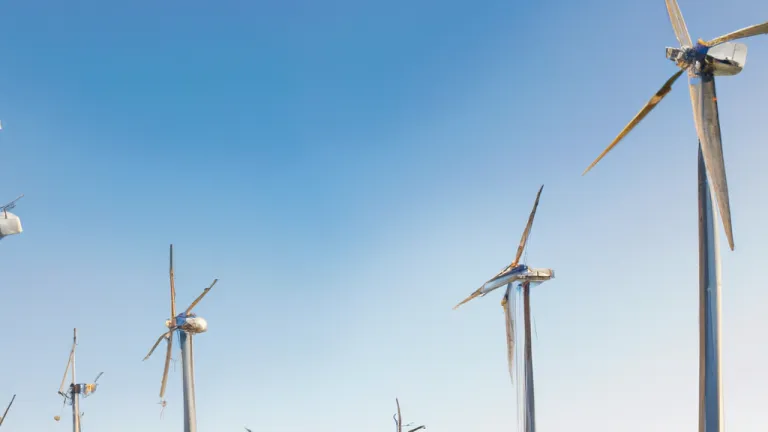
Wind energy is generated from wind, which moves wind turbines to produce electricity. Wind farms have multiplied in various regions of the world, especially in coastal areas and plains, where the wind is more constant and intense. Countries like Germany, the United States, and China lead wind energy production, significantly contributing to the reduction of greenhouse gas emissions.
Hydroelectric Energy
Hydroelectric energy is one of the oldest and most used renewable energy sources in the world. By constructing dams and hydroelectric plants, the kinetic energy of water is transformed into electricity. Countries like Norway, Canada, and Brazil have significant hydroelectric potential and have a large part of their energy matrix based on this renewable source, which is considered clean and low-impact.
Biomass Energy
Biomass energy is generated from the burning of organic materials, such as wood waste, agricultural residues, and biogas. This renewable energy source is widely used in agricultural countries, where biomass production is abundant. In addition to reducing greenhouse gas emissions, biomass energy contributes to sustainable waste management and the development of rural communities.
The Role of Renewable Energy in the Energy Transition
The energy transition is a fundamental process to ensure the planet’s sustainability and energy security. Gradually replacing non-renewable energy sources with renewable ones is essential to reduce greenhouse gas emissions, combat climate change, and promote sustainable development.
Countries and companies around the world have committed to increasing the share of renewable energies in their energy matrices, setting ambitious emission reduction targets and investing in clean and innovative technologies. The implementation of favorable public policies, tax incentives, and financing for renewable energy projects are some of the strategies used to accelerate the transition to a more sustainable future.
Benefits of Renewable Energy
Renewable energies offer a series of environmental, economic, and social benefits that contribute to building a more sustainable future. Some of the main benefits include:
Reduction of Greenhouse Gas Emissions
The use of renewable energies helps reduce greenhouse gas emissions, responsible for global warming and climate change. By replacing energy sources based on fossil fuels, such as coal and oil, with clean and renewable sources, it is possible to mitigate the environmental impacts caused by electricity generation.
Energy Security
Diversifying the energy matrix with renewable sources contributes to increasing a country’s energy security, reducing dependence on fossil fuel imports, and promoting energy autonomy. This is especially important in times of geopolitical instability and oil price volatility.
Creation of Green Jobs
The renewable energy sector has the potential to generate millions of green jobs worldwide, from the manufacturing and installation of equipment to the operation and maintenance of clean energy plants and parks. The transition to an economy based on renewable sources can boost the creation of sustainable and quality jobs.
Challenges and Opportunities
Despite the numerous benefits of renewable energies, there are still challenges to be overcome to promote their large-scale adoption. The intermittency of solar and wind energy sources, the need for energy storage infrastructure, and the resistance of traditional sectors are some of the obstacles that need to be addressed.
However, renewable energies also represent a great opportunity to drive innovation, sustainability, and economic development. Investing in research and development of clean technologies, creating incentive policies, and raising society’s awareness of the importance of the energy transition are crucial to overcoming challenges and seizing the opportunities offered by renewable energies.
Conclusion
Renewable energies are the sustainable future of energy, offering a clean, safe, and economical alternative for electricity generation. The transition to an energy matrix based on renewable sources is essential to combat climate change, reduce air pollution, and promote sustainable development.
It is crucial that governments, businesses, and civil society unite in a joint effort to accelerate the adoption of renewable energies and build a more sustainable and resilient future for future generations. With investments in clean technologies, policies
