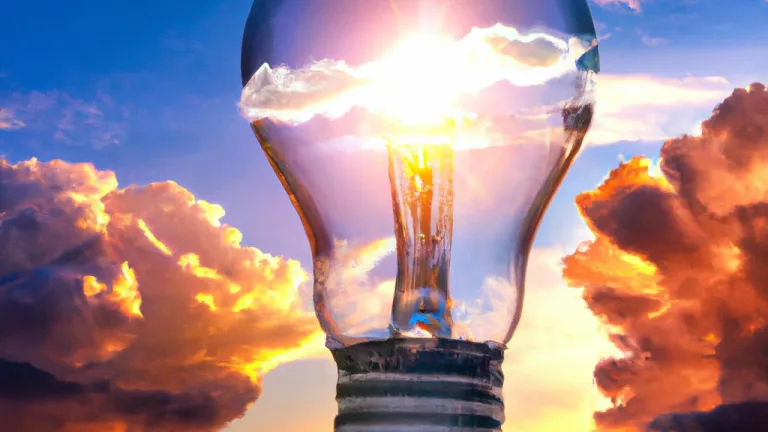
Unlocking the Potential of Renewable Energy: A Sustainable Future in Our Hands
In today’s world, the search for clean and sustainable energy sources has become a priority. With increasing awareness of the negative impacts of non-renewable energy sources like oil and coal, renewable energies are emerging as a viable and promising alternative. In this article, we will explore the potential of renewable energies and how they can shape a more sustainable future for our planet.
The Importance of Renewable Energy
Renewable energies, such as solar, wind, hydroelectric, geothermal, and biomass, are clean energy sources that are naturally replenished. Unlike fossil fuels, which are finite and contribute to greenhouse gas emissions, renewable energies are a more sustainable and environmentally friendly option.
The transition to renewable energies is crucial for reducing carbon emissions and combating climate change. Additionally, renewable energies promote energy independence, reducing reliance on imported energy sources that are vulnerable to price fluctuations.
Types of Renewable Energy
Solar Energy
Solar energy is one of the most abundant and promising renewable energy sources. By installing solar panels on rooftops or land, sunlight can be captured and converted into electricity. Solar energy is clean, renewable, and can effectively reduce dependence on fossil fuels.
Wind Energy
Wind energy harnesses the power of the wind to generate electricity. With wind turbines installed in areas with consistent winds, a significant amount of clean energy can be produced. Wind energy is a renewable source and can be a sustainable alternative for electricity generation.
Hydroelectric Energy
Hydroelectric energy utilizes the power of moving water to generate electricity. Hydroelectric plants are built on rivers and lakes to capture the energy of falling water. Although a clean energy source, the construction of hydroelectric plants can have significant environmental impacts, such as the displacement of communities and alteration of aquatic ecosystems.
Geothermal Energy
Geothermal energy uses the Earth’s internal heat to generate electricity. In areas with geothermal activity, such as volcanoes and hot springs, underground heat can be captured and converted into energy. Geothermal energy is a renewable source and can be a sustainable option for electricity generation.
Biomass Energy
Biomass energy uses organic waste, such as food scraps and agricultural residues, to generate electricity. Burning these materials releases energy that can be captured and converted into electricity. Biomass energy is renewable, but it is essential to ensure that the production and use of these materials are sustainable and do not contribute to deforestation or food scarcity.
The Potential of Renewable Energy
The potential of renewable energy is immense and can revolutionize how we produce and consume energy. With technological advances and infrastructure investments, it is possible to expand the capacity for clean energy generation and reduce reliance on non-renewable sources.
Furthermore, renewable energies also have the potential to create jobs and promote economic development. As the renewable energy sector expands, job opportunities arise in areas such as solar panel installation, wind turbine maintenance, and sustainable technology development.
Challenges and Opportunities
Despite the potential of renewable energies, challenges remain to ensure their widespread adoption. Issues such as energy storage, integration of renewable systems into the power grid, and reducing production costs are challenges that need to be addressed to make renewable energies an accessible and sustainable reality.
However, these challenges also represent opportunities for innovation and growth. With investments in research and development, it is possible to overcome the barriers preventing the expansion of renewable energies and create a more sustainable and prosperous future for future generations.
Conclusion
In a world increasingly concerned with climate change and sustainability, renewable energies stand out as a promising and viable alternative to reduce carbon emissions and promote a cleaner and healthier future for our planet. With investments in technology, infrastructure, and education, we can unlock the full potential of renewable energies and shape a sustainable future in our hands.
To learn more about adopting sustainable practices in your daily life, check out our post on 7 Ways to Reduce Waste and Live a More Sustainable Life. Together, we can make a difference and build a better world for all.
