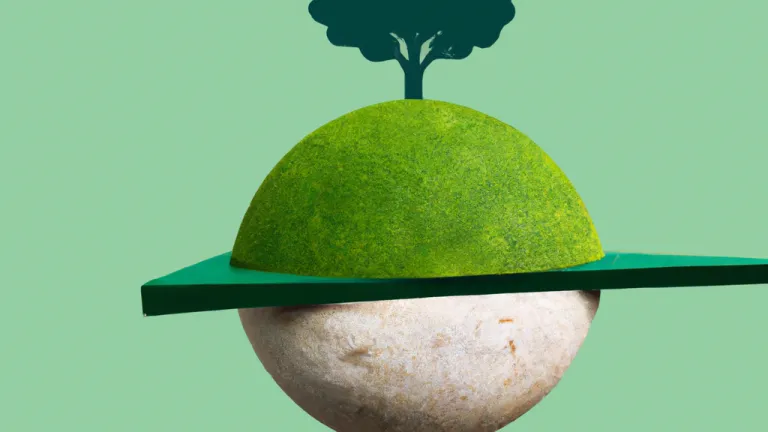
Ecological Balance: The Key to a Sustainable Planet
In the world we live in, environmental preservation and sustainability are increasingly urgent and important issues. Ecological balance is essential to ensure the health of the planet and future generations. In this article, we will explore the importance of ecological balance and how it is fundamental to creating a more sustainable world.
What is Ecological Balance?
Ecological balance refers to the state of harmony and stability among the different components of an ecosystem. This includes the interaction between living beings (plants, animals, microorganisms) and non-living elements (air, water, soil) that make up the environment. When all parts of an ecosystem are in balance, biodiversity is preserved, natural cycles function properly, and natural resources are used sustainably.
Ecological balance is fundamental to maintaining life on Earth. When an ecosystem is out of balance, species extinction, soil degradation, water and air pollution, among other environmental problems, can occur. Therefore, preserving ecological balance is essential to ensure the survival of living beings and the health of the planet as a whole.
Importance of Ecological Balance
Ecological balance plays a crucial role in maintaining biodiversity, regulating the climate, producing food, and purifying water and air. When an ecosystem is in balance, species develop healthily, natural resources are renewed, and the negative impacts of human activities are minimized.
Moreover, ecological balance is essential for the planet’s long-term sustainability. By preserving biodiversity, protecting ecosystems, and promoting sustainable practices, we can ensure a safer and healthier future for future generations.
How to Promote Ecological Balance
Promoting ecological balance requires individual and collective actions to protect the environment and natural resources. Here are some ways to contribute to the preservation of ecological balance:
- How your individual actions can impact the world around you: Discover how small changes in your daily life can make a difference for the environment.
- How to reduce your ecological footprint and live more sustainably: Learn how to decrease your greenhouse gas emissions and adopt a more sustainable lifestyle.
- 7 creative ways to reuse everyday items and save money: Discover innovative ways to repurpose materials and reduce waste.
Additionally, it is important to support policies and initiatives that promote nature conservation, ecosystem protection, and sustainable use of natural resources. Engaging in reforestation activities, recycling, water conservation, and environmental education are also effective ways to contribute to ecological balance.
Conclusion
Ecological balance is the key to a sustainable and healthy planet. By preserving biodiversity, protecting ecosystems, and promoting sustainable practices, we can ensure a better future for future generations. Each of us has a role to play in preserving ecological balance, and it is crucial to act now to protect the environment and natural resources. Together, we can make a difference and build a more sustainable world for all.
