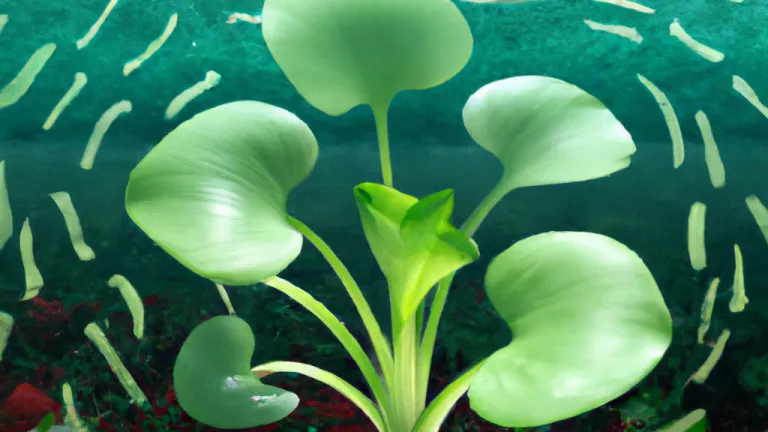
Exploring the Abundance of Natural Resources: A Journey Through Our Planet’s Biodiversity
Nature is an inexhaustible source of resources that sustain life on our planet. Biodiversity is the foundation of all ecosystems, providing food, medicine, building materials, clean air, potable water, and many other essential benefits for human survival. In this article, we will explore the abundance of natural resources and the importance of preserving biodiversity.
The Importance of Biodiversity
Biodiversity refers to the variety of life forms existing on Earth, including plants, animals, microorganisms, and ecosystems. Each species plays a unique role in ecological balance, contributing to ecosystem stability and human well-being.
Healthy and diverse ecosystems provide essential ecosystem services, such as plant pollination, water purification, climate regulation, soil fertilization, and protection against natural disasters. Additionally, biodiversity is an invaluable source of food, medicine, and other natural resources that sustain life on the planet.
However, biodiversity is under threat due to habitat destruction, pollution, climate change, the introduction of invasive species, and unsustainable exploitation of natural resources. The loss of biodiversity has devastating consequences for humanity, including reduced food security, increased incidence of zoonotic diseases, loss of economic development opportunities, and the collapse of vital ecosystems.
Exploring the Diversity of Life on Earth
Our planet is home to an incredible diversity of life forms, from the depths of the oceans to the heights of mountains. Each ecosystem has its own unique species and specialized adaptations that make it a unique and vital environment for biodiversity.
The oceans, for example, host an impressive variety of marine life, including fish, corals, sharks, whales, turtles, and a multitude of microscopic organisms. Coral reefs, in particular, are biodiversity hotspots that support thousands of species and provide important ecosystem services, such as coastal protection against storms and sustainable fishing.
Tropical forests, on the other hand, are known as the lungs of the planet due to their ability to absorb carbon dioxide and release oxygen. These biodiversity-rich ecosystems host a wide variety of plants, animals, and insects, many of which have yet to be discovered by science. The Amazon, for example, is the largest tropical forest in the world and is home to one in ten known species on the planet.
In addition to oceans and tropical forests, there are countless other ecosystems that support an incredible diversity of life, such as deserts, savannas, tundras, mangroves, estuaries, and coral reefs. Each of these environments is unique and essential for the survival and well-being of the species that inhabit them.
Preserving Biodiversity for the Future
Amidst increasing human pressure on natural resources, it is crucial to adopt sustainable practices for the conservation and use of ecosystems. Preserving biodiversity is everyone’s responsibility and requires coordinated actions at global, national, and local levels to protect threatened species and habitats.
There are several strategies and measures that can be adopted to preserve biodiversity and promote the sustainable use of natural resources. This includes creating protected areas, implementing stricter environmental laws, establishing ecological corridors, promoting sustainable agricultural practices, combating illegal hunting and fishing, encouraging responsible ecotourism, and supporting local communities that depend on natural resources for their livelihoods.
Moreover, public awareness about the importance of biodiversity and ecosystem services is crucial to mobilize society for nature conservation. Environmental education, scientific dissemination, and community participation are essential to promote a culture of respect and care for the environment.
Conclusion
Biodiversity is the foundation of life on planet Earth and plays a fundamental role in maintaining ecosystems and human well-being. Exploring the abundance of natural resources and preserving the diversity of life is essential to ensure a sustainable future for present and future generations.
By adopting sustainable practices for the conservation and use of natural resources, we can protect biodiversity and ensure that species and ecosystems continue to provide the essential services we all depend on. It is up to each of us to make a difference and contribute to the preservation of our planet’s biodiversity.
