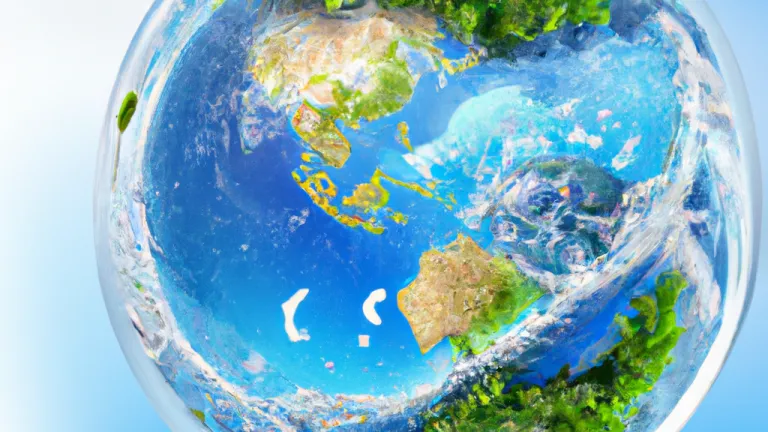
Protecting the Future: The Importance of Environmental Education
The concern for the environment has never been as evident as it is today. With the increase in climate change, pollution, and ecosystem degradation, the need to preserve planet Earth has become a global priority. In this context, environmental education plays a fundamental role in raising awareness and promoting sustainable practices for present and future generations.
Definition of Environmental Education
Environmental Education is a teaching-learning process aimed at raising awareness about the importance of environmental preservation, promoting critical reflection and responsible attitudes towards natural resources. Through environmental education, the goal is to develop environmental awareness and stimulate actions that contribute to the planet’s sustainability.
Objectives of Environmental Education
The main objectives of environmental education include:
- Promoting awareness of environmental issues;
- Stimulating critical reflection on the relationships between humans and the environment;
- Developing skills and competencies for adopting sustainable practices;
- Promoting active participation in solving environmental issues;
- Contributing to the formation of responsible citizens committed to environmental preservation.
Importance of Environmental Education
Environmental education plays a crucial role in protecting the environment and promoting sustainability. Some benefits of environmental education include:
- Awareness: Environmental education helps raise awareness about environmental issues and the importance of preserving natural resources.
- Engagement: By promoting critical reflection and stimulating active participation, environmental education engages people in the search for sustainable solutions.
- Habit transformation: Through environmental education, it is possible to promote behavior and habit changes towards more sustainable practices.
- Formation of conscious citizens: Environmental education contributes to the formation of conscious, responsible citizens committed to environmental preservation.
By protecting the environment and promoting sustainability, environmental education also contributes to improving people’s quality of life and building a more just and equitable future for all.
Challenges of Environmental Education
Despite the importance of environmental education, challenges remain. Some of the main challenges include:
- Lack of investment: The lack of investment in environmental education programs and projects hinders the dissemination of sustainable practices.
- Inequality of access: Inequality of access to environmental education can limit awareness and participation of certain social groups.
- Lack of integration: The lack of integration of environmental education into school curricula and public policies can compromise the effectiveness of educational actions.
Conclusion
The protection of the environment and the promotion of sustainability are urgent challenges that require the participation of the entire society. In this sense, environmental education plays a fundamental role in raising awareness, sensitization, and forming citizens committed to preserving the planet.
Through environmental education, it is possible to promote critical reflection, behavior change, and the adoption of sustainable practices that contribute to building a more balanced and harmonious future for present and future generations.
Therefore, investing in environmental education is investing in the future of our planet and the next generations. Through awareness and collective action, we can protect the environment and ensure a sustainable future for all.
