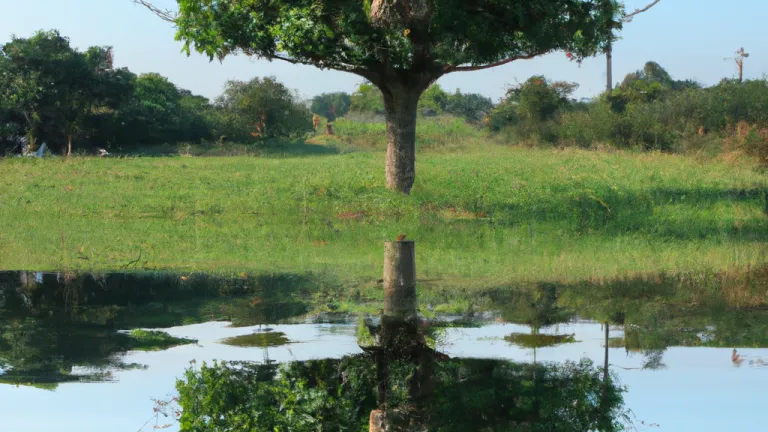
Rebuilding Nature: The Crucial Role of Reforestation
Nature plays a fundamental role in our lives, providing essential resources for the survival of all life forms on the planet. However, over the years, unchecked human activity has caused significant damage to the environment, resulting in the destruction of forests and vital ecosystems. In this article, we will explore the importance of reforestation in rebuilding and preserving nature.
Why is Reforestation So Important?
Reforestation is the process of planting trees in areas that have been deforested or degraded. This practice plays a crucial role in restoring ecosystems, mitigating climate change, and promoting biodiversity. Here are some reasons why reforestation is so important:
1. Carbon Sequestration
Trees play a vital role in capturing carbon from the atmosphere through photosynthesis. By absorbing carbon dioxide (CO2) and releasing oxygen, trees help reduce greenhouse gas levels, contributing to the stabilization of the global climate. Large-scale reforestation can help combat climate change and its devastating impacts.
2. Biodiversity Conservation
Forests are home to millions of species of plants, animals, and insects, many of which are endemic and threatened with extinction. By planting trees and restoring forest ecosystems, we can create healthy and diverse habitats for wildlife, promoting biodiversity conservation and species preservation.
3. Water Resource Protection
Forests play a crucial role in regulating water cycles, helping to maintain the quality and quantity of water resources. Tree roots help prevent soil erosion and maintain soil moisture, contributing to aquifer recharge and the protection of rivers, lakes, and oceans. Reforestation can help protect essential water resources for life on the planet.
How Does Reforestation Benefit Society?
In addition to environmental benefits, reforestation also brings a range of social and economic benefits to local communities and society as a whole. Here are some ways reforestation can benefit society:
1. Job Creation
Reforestation creates job opportunities for local workers, from planting and maintaining trees to sustainable forest resource management. This not only helps reduce poverty and promote economic development but also strengthens community ties and promotes long-term sustainability.
2. Improved Quality of Life
Reforested areas provide a range of benefits for people’s quality of life, including cleaner air, stunning natural landscapes, outdoor recreation, and a deeper connection with nature. Reforestation can help improve the mental and physical health of communities by providing green and peaceful spaces to relax and enjoy.
3. Protection Against Natural Disasters
Forests play a crucial role in reducing the risk of natural disasters, such as landslides, floods, and droughts. Tree roots help stabilize the soil, prevent erosion, and regulate water flow, protecting communities against extreme weather events. Reforestation can help strengthen local communities’ resilience and reduce the negative impacts of natural disasters.
How Can We Promote Reforestation?
Promoting reforestation requires a joint and coordinated effort from governments, non-governmental organizations, businesses, and individuals. Here are some ways we can contribute to rebuilding nature through reforestation:
1. Participate in Reforestation Initiatives
There are several reforestation initiatives worldwide aimed at restoring degraded ecosystems and promoting nature conservation. Participating in tree planting programs, donating to environmental organizations, and supporting reforestation projects are effective ways to contribute to rebuilding nature and protecting the environment.
2. Support Sustainable Agricultural Practices
Agriculture is one of the main causes of deforestation and forest degradation worldwide. Supporting sustainable agricultural practices, such as agroforestry, organic farming, and sustainable forest management, can help reduce pressure on forests and promote peaceful coexistence between agriculture and nature.
3. Educate and Raise Awareness
Education and awareness are fundamental to promoting the importance of reforestation and encouraging behavioral change towards the environment. Sharing information about the benefits of reforestation, organizing awareness campaigns, and engaging the local community are effective ways to inspire action and promote environmental sustainability.
Conclusion
Reforestation plays a crucial role in rebuilding and preserving nature, providing a range of environmental, social, and economic benefits to local communities and society as a whole. By planting trees, restoring ecosystems, and promoting biodiversity conservation, we can contribute to the planet’s sustainability and ensure a healthy and prosperous future for future generations. It’s time to unite and rebuild nature together.
Read also: How to Reduce Waste in Your Life and Make a Difference in the World
Read also: 5 Simple Ways to Preserve the Environment and Save the Planet
