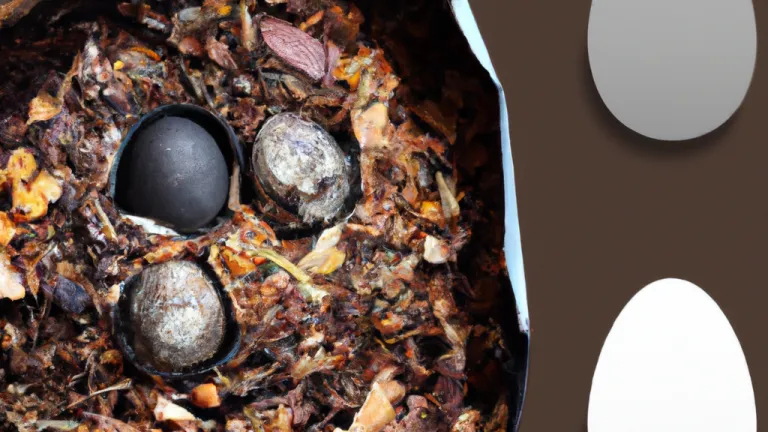
Turn Your Waste into Treasure: Discover the Benefits of Composting
We live in a world where environmental concerns and sustainability have become increasingly important. A simple and effective way to contribute to the planet’s preservation is through composting. Transforming organic waste into natural fertilizer not only reduces the amount of waste sent to landfills but also benefits the soil, plants, and the environment as a whole.
Why is Composting So Important?
Composting is a natural process of decomposing organic materials, such as food scraps, leaves, fruit and vegetable peels, among others, into a nutrient-rich compost that can be used as fertilizer for plants and gardens. Besides reducing the amount of waste sent to dumps and landfills, composting also helps decrease greenhouse gas emissions, such as methane, contributing to reducing environmental impact.
Benefits of Composting
The benefits of composting are numerous and go far beyond simple waste reduction. By turning organic waste into fertilizer, you will be:
- Enriching the soil with essential nutrients for plant growth;
- Reducing the need for chemical fertilizers, contributing to soil health and preventing groundwater contamination;
- Decreasing greenhouse gas emissions, such as methane, which is 25 times more potent than carbon dioxide;
- Promoting the recycling of organic waste, closing the material life cycle and avoiding waste;
- Creating a sustainable food production cycle, where waste is turned into nutrients for new plants.
How to Start Composting at Home?
Composting at home is easier than it seems, and you don’t need much space to start. To begin composting at home, you will need:
- A composting container, such as a box or drum;
- Organic material, like food scraps, leaves, fruit and vegetable peels;
- Sand, sawdust, or dry leaves to aid decomposition;
- Water to maintain the moisture of the compost;
- A well-ventilated and sunny location to accelerate the decomposition process.
To start, simply add organic materials and dry materials in layers, maintaining moisture and turning the compost regularly to ensure aeration. In a few weeks, you will have nutrient-rich compost ready to use in your garden or vegetable patch.
Environmental Benefits of Composting
Composting not only benefits the soil and plants but also the environment as a whole. By reducing the amount of waste sent to landfills, composting contributes to the reduction of greenhouse gas emissions, the preservation of natural resources, and the promotion of sustainability.
Moreover, composting helps close the material life cycle, turning organic waste into nutrients for new plants, creating a sustainable food production cycle, and preventing resource waste.
Conclusion
Composting is a simple and effective practice that can bring numerous benefits to the environment, soil, plants, and our health. Turning waste into treasure is a way to contribute to the planet’s preservation and promote sustainability in our community.
Start composting at home today and make a difference in the world around you!
Texto do Link
