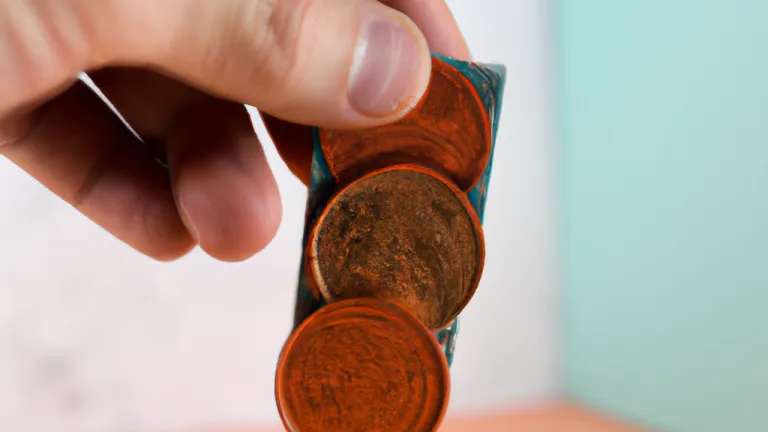
How to Reduce Waste and Save Money at Home
Being mindful of waste at home is not only beneficial for the environment but also for your wallet. Small changes in daily habits can lead to significant savings by the end of the month. In this article, we will explore different ways to reduce waste and save money at home.
1. Reduce Water Consumption
Water is a precious resource and is often wasted without thought. To reduce water consumption at home, you can:
- Fix leaks in faucets and pipes;
- Take shorter showers;
- Reuse laundry water for watering plants;
- Install water-saving devices in faucets and showers.
With these simple practices, you will not only contribute to the preservation of water resources but also reduce your water bill by the end of the month.
2. Avoid Food Waste
Food waste is a serious problem worldwide. To avoid throwing away food and save money, you can:
- Plan your meals and make a shopping list;
- Store food properly to extend its shelf life;
- Use leftovers to create new meals;
- Compost food scraps to fertilize the soil.
In addition to reducing waste, these practices can also help improve your health and well-being, as you will be consuming fresh and nutritious foods.
3. Choose Durable and Reusable Products
Instead of buying disposable products, opt for durable and reusable items. For example, replace plastic cups with ceramic mugs, plastic bags with cloth bags, and paper napkins with cloth napkins.
Besides reducing the amount of waste generated, you will also save money in the long run, as you won’t need to purchase these items as frequently.
4. Use Energy Efficiently
Efficient energy use not only reduces your electricity bill costs but also contributes to reducing carbon emissions. To save energy at home, you can:
- Unplug electronic devices when not in use;
- Use LED bulbs, which consume less energy;
- Take advantage of natural light during the day;
- Keep appliances in good working condition.
Small habit changes can make a big difference at the end of the month, both for the environment and your wallet.
5. Recycle and Reuse Materials
Recycling and reusing materials are essential practices to reduce waste at home. Make sure to properly separate recyclable materials, such as paper, plastic, glass, and metal.
Additionally, you can reuse materials in various creative ways, such as using glass jars to store food, turning old clothes into cleaning rags, or crafting with recycled materials.
6. Invest in Sustainable Technologies
To reduce waste and save money at home, consider investing in sustainable technologies, such as solar panels, solar water heaters, and rainwater harvesting systems.
Although the initial investment may be high, these technologies can generate significant savings in the long term, as well as reduce the environmental impact of your home.
Conclusion
Small changes in daily habits can make a big difference when it comes to reducing waste and saving money at home. By adopting sustainable practices, such as reducing water consumption, avoiding food waste, choosing durable and reusable products, using energy efficiently, recycling and reusing materials, and investing in sustainable technologies, you will be contributing to a more sustainable and economical lifestyle.
Remember that every small action counts and can make a big difference not only for your wallet but also for the planet as a whole.
