Exploring Earth’s Biodiversity: A Dive into Nature’s Rich Diversity
Biodiversity is one of the most fascinating and important aspects of our planet. It refers to the variety of life, from microorganisms invisible to the naked eye to the majestic creatures inhabiting oceans and forests. In this article, we will explore the incredible diversity of life on our planet, highlighting the importance of preserving and protecting it for future generations.
The Importance of Biodiversity
Biodiversity plays a fundamental role in maintaining healthy ecosystems. Every species, no matter how small, plays a crucial role in the balance of its environment. For instance, plants are responsible for oxygen production, while pollinating animals are essential for the reproduction of many plant species. When a species disappears, it can have a cascading effect on the entire ecosystem, leading to unpredictable consequences.
Furthermore, biodiversity is an invaluable source of resources for humans. Many medicines and foods we consume daily originate from plants and animals found in nature. Preserving life’s diversity is essential to ensure we have access to these resources in the future.
The Diversity of Life on Earth
Our planet hosts an impressive variety of living beings, adapted to the most diverse environments over millions of years of evolution. From the ocean depths to mountain heights, life thrives in all its forms and colors.
Estimates suggest there are between 8.7 and 9.2 million species on Earth, of which only a small fraction has been discovered and cataloged by scientists. Each year, new species are discovered, showing that we still have much to learn about life’s diversity on our planet.
The Diversity of Life in the Oceans
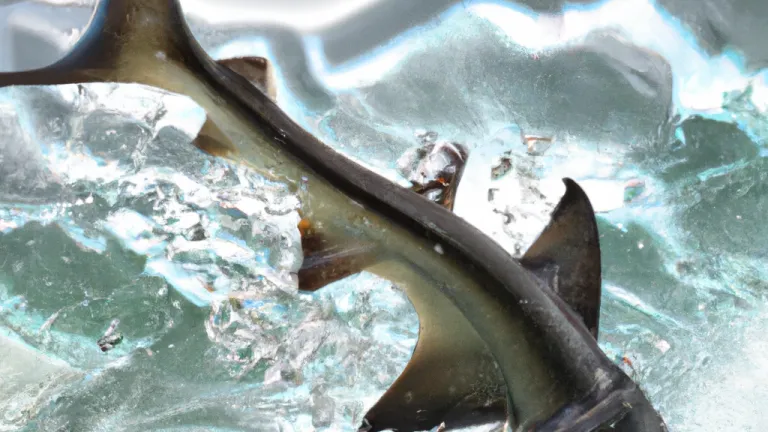
The oceans are home to a vast array of life forms, from microscopic plankton to imposing great white sharks. It is estimated that the oceans contain over 2 million species, many of which have yet to be discovered.
Coral reefs, for example, are considered true biodiversity oases, hosting thousands of species of fish, crustaceans, and mollusks. Unfortunately, these delicate ecosystems are under threat due to climate change and ocean pollution.
The Diversity of Life in Tropical Forests
Tropical forests are another biodiversity hotspot, hosting an impressive variety of plants, animals, and insects. It is estimated that one in four known species inhabits tropical forests, making them one of the most diverse ecosystems on the planet.
Unfortunately, tropical forests are disappearing at an alarming rate due to deforestation for agriculture and logging. The loss of these precious ecosystems represents not only a tragedy for life’s diversity but also a threat to the global climate, as forests play a crucial role in climate regulation.
Preserving Biodiversity
In the face of growing threats to biodiversity, it is essential to take urgent measures to preserve and protect the species and ecosystems that make our planet so unique. Here are some actions we can take to promote biodiversity conservation:
1. Protect Natural Areas
Establishing protected areas, such as national parks and nature reserves, is crucial to ensure the preservation of essential habitats for many species. These areas act as safe havens for wildlife, allowing populations to recover and strengthen.
2. Combat Illegal Hunting and Animal Trafficking
Illegal hunting and animal trafficking are among the main threats to biodiversity worldwide. It is crucial to implement strict laws and effective enforcement to combat these harmful practices and protect endangered species.
3. Promote Environmental Education
Raising awareness about the importance of biodiversity and the threats it faces is essential to promote behavior change and the adoption of more sustainable practices. Environmental education can help create a culture of respect for nature and wildlife.
Conclusion
Biodiversity is an invaluable treasure that we must protect and preserve for future generations. By exploring the incredible diversity of life on our planet, we can marvel at the complexity and beauty of nature while recognizing the importance of taking action to ensure its survival.
If each of us does our part by adopting more sustainable practices in our daily lives and supporting conservation initiatives, we can help ensure a more promising future for all forms of life that share our planet.
