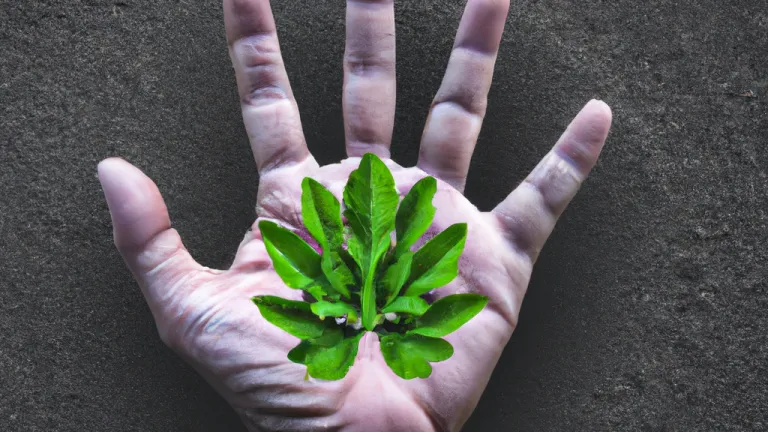
The Future is in Our Hands: Understanding Climate Change’s Impact on Earth
Climate change is one of the greatest challenges humanity faces today. With rising global temperatures, melting polar ice caps, extreme weather events, and biodiversity loss, it’s clear that our planet is undergoing concerning transformations. In this article, we will explore how climate change is impacting our planet and what we can do to mitigate these effects.
What is Climate Change?
Climate change refers to the alterations in Earth’s climate observed over time. These changes are primarily caused by human activities, such as burning fossil fuels, deforestation, and the emission of greenhouse gases. The main greenhouse gas is carbon dioxide (CO2), which is released into the atmosphere when we burn fuels like coal, oil, and natural gas.
These greenhouse gases act like a blanket, trapping the sun’s heat in the atmosphere and causing global temperatures to rise. As a result, we see melting polar ice caps, rising sea levels, ocean acidification, and an increase in extreme weather events like hurricanes, droughts, and heatwaves.
Impacts of Climate Change
The impacts of climate change are vast and affect all aspects of life on the planet. One of the most evident impacts is the increase in average global temperature, which has direct consequences on human health, agriculture, biodiversity, and natural resources.
Here are some of the main impacts of climate change:
1. Melting Polar Ice Caps
The melting of polar ice caps is one of the most visible effects of climate change. With rising temperatures, ice in polar regions is melting at an alarming rate, contributing to rising sea levels and threatening coastal communities worldwide.
2. Rising Sea Levels
Rising sea levels are a direct consequence of melting polar ice caps and the thermal expansion of oceans. This can lead to coastal flooding, beach erosion, and contamination of freshwater aquifers.
3. Ocean Acidification
Ocean acidification is caused by the absorption of carbon dioxide from the atmosphere, which reacts with seawater to form carbonic acid. This negatively impacts marine life, particularly organisms like corals, mollusks, and plankton.
4. Extreme Weather Events
Climate change is also increasing the frequency and intensity of extreme weather events, such as hurricanes, droughts, heatwaves, and floods. These events have significant impacts on infrastructure, agriculture, and the health of affected populations.
What Can We Do to Mitigate the Effects of Climate Change?
Given the severity of climate change impacts, it’s crucial that we all do our part to mitigate these effects and ensure a sustainable future for generations to come. Here are some actions we can take to combat climate change:
1. Reduce Greenhouse Gas Emissions
One of the most effective ways to combat climate change is to reduce greenhouse gas emissions. This can be achieved by adopting renewable energy sources, such as solar and wind, promoting public transportation, and reducing fossil fuel consumption.
2. Preserve Forests and Natural Ecosystems
Forests play a crucial role in climate regulation, absorbing large amounts of CO2 from the atmosphere. Therefore, it’s essential to preserve forests and natural ecosystems, prevent deforestation, and promote reforestation.
3. Adopt Sustainable Agricultural Practices
Agriculture is responsible for a significant portion of greenhouse gas emissions. To mitigate these effects, it’s important to adopt sustainable agricultural practices, such as organic farming, crop rotation, and efficient water resource use.
4. Promote Environmental Education and Public Awareness
Environmental education and public awareness are fundamental to promoting individual and collective actions for the environment. It’s important to inform people about the impacts of climate change and encourage the adoption of sustainable habits in daily life.
Conclusion
Climate change is one of the greatest challenges humanity faces today. With rising global temperatures and devastating impacts on our planet, it’s crucial that we all do our part to combat these effects and ensure a sustainable future for generations to come. Reducing greenhouse gas emissions, preserving forests, adopting sustainable agricultural practices, and promoting environmental education are some actions we can take to mitigate the effects of climate change. The future is in our hands, and it’s our responsibility to act now.
