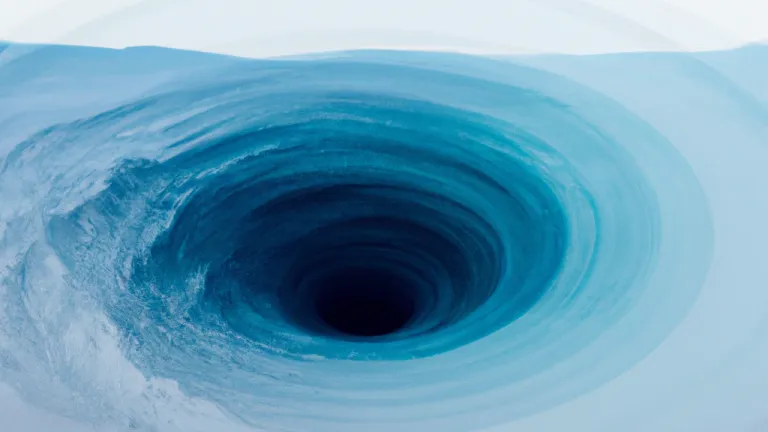
Invisible Threats: How Water Pollution Endangers Our Planet
Water is a vital resource for the survival of all living beings on Earth. However, water pollution represents an invisible and silent threat that jeopardizes the quality and availability of this essential resource. In this article, we will explore the dangers of water pollution and how it affects our planet comprehensively.
The Importance of Clean Water
Clean water plays a fundamental role in all aspects of life, from human health to the sustainability of ecosystems. It is essential for agriculture, food production, personal hygiene, and the functioning of aquatic ecosystems. However, water pollution compromises the quality of this precious resource and creates a range of problems for the environment and public health.
Main Water Contaminants
Water pollution can be caused by a variety of contaminants, including toxic chemicals, industrial waste, domestic sewage, agricultural fertilizers, and plastics. These pollutants can have devastating impacts on water bodies, contaminating drinking water, harming aquatic life, and compromising human health.
Toxic Chemicals
Toxic chemicals, such as heavy metals and organic compounds, are one of the main sources of water pollution. They can be released into the environment by industries, agricultural activities, and improper waste disposal. These chemicals can accumulate in water bodies and contaminate aquatic organisms, affecting the entire food chain.
Domestic Sewage
Domestic sewage is another significant source of water pollution. When sewage is not properly treated, it can contain pathogenic bacteria, viruses, parasites, and excess nutrients, which can cause diseases and promote the growth of harmful algae in water bodies. Sewage pollution can also result in the contamination of drinking water and the degradation of aquatic ecosystems.
Plastics
Plastics are one of the most common contaminants found in oceans and rivers. They pose a significant threat to marine life, as they can be ingested by aquatic animals or cause entanglement, leading to the death of various species. Additionally, plastics can break down into microplastics, which are small particles that can contaminate water bodies and enter the food chain.
Impacts of Water Pollution
Water pollution has a range of negative impacts on the environment and human health. It can result in the degradation of aquatic ecosystems, reduction of biodiversity, contamination of drinking water, and the spread of waterborne diseases. Moreover, water pollution can have significant economic effects, affecting fishing, tourism, and other activities that depend on water resources.
Degradation of Aquatic Ecosystems
Water pollution can cause the destruction of aquatic ecosystems, affecting the fauna and flora that depend on these environments to survive. The contamination of rivers, lakes, and oceans can lead to the death of fish and other aquatic species, resulting in ecological imbalances and loss of biodiversity.
Contamination of Drinking Water
Water pollution can compromise the quality of drinking water, making it unsuitable for human consumption. The presence of chemical contaminants, bacteria, and parasites in water can cause diseases such as diarrhea, cholera, hepatitis, and typhoid fever, posing a serious risk to public health, especially in underserved and developing communities.
Spread of Diseases
Water pollution can facilitate the spread of waterborne diseases, such as cholera, typhoid fever, and hepatitis. The presence of pathogenic bacteria and parasites in contaminated water can infect people who consume or come into contact with it, resulting in disease outbreaks and epidemics.
Prevention and Mitigation Measures for Water Pollution
To combat the invisible dangers of water pollution, it is essential to adopt prevention and mitigation measures aimed at protecting water resources and ensuring the sustainability of aquatic ecosystems. Important actions include proper sewage treatment, implementation of sustainable agricultural practices, reduction of toxic chemical use, and promotion of plastic recycling.
Sewage Treatment
Proper sewage treatment is crucial to prevent water pollution by organic contaminants, bacteria, and excess nutrients. Sewage treatment systems can remove pollutants and pathogens from water before being discharged into the environment, ensuring the quality of water bodies and protecting public health.
Sustainable Agricultural Practices
The adoption of sustainable agricultural practices, such as the use of organic fertilizers, crop rotation, and soil conservation, can reduce water contamination by toxic chemicals and excess nutrients. These practices help protect water resources and promote the health of aquatic ecosystems.
Reduction of Toxic Chemical Use
Reducing the use of toxic chemicals, such as pesticides and herbicides, is essential to prevent water contamination by harmful substances. Substituting chemicals with safer alternatives and the responsible use of these substances can help reduce the impacts of water pollution on the environment and human health.
Promotion of Plastic Recycling
Plastic recycling is an important measure to reduce the amount of plastic waste entering oceans and rivers. By recycling plastics, it is possible to prevent the pollution of water bodies and the contamination of marine life, contributing to the preservation of aquatic ecosystems and the reduction of water pollution impacts.
Conclusion
Water pollution represents one of the greatest environmental challenges today, threatening the quality and availability of this vital resource for life on the planet. To protect water resources and ensure the sustainability of aquatic ecosystems, it is essential to adopt prevention and mitigation measures for water pollution, as well as promote awareness and education about the importance of clean water.
