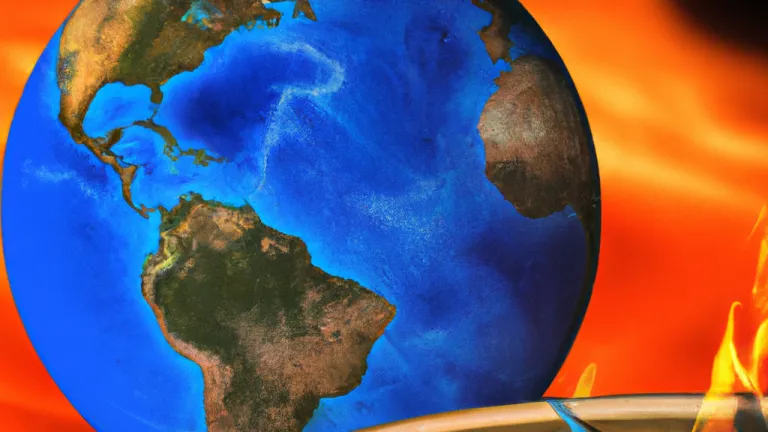
The Impact of Pollution on Our Planet: Challenges and Solutions
Pollution is one of the most severe problems humanity faces today. It has devastating impacts on the environment, human health, and biodiversity. In this article, we will explore how pollution is destroying our planet, the main impacts it causes, and some solutions to combat this urgent problem.
Types of Pollution
Pollution can take various forms, from air and water pollution to soil and noise pollution. Each type of pollution has specific impacts, but all contribute to environmental degradation and harm people’s quality of life.
Air Pollution
Air pollution is primarily caused by the burning of fossil fuels such as coal, oil, and natural gas in vehicles, industries, and power plants. This releases pollutants like sulfur dioxide, nitrogen oxides, and particulate matter, which are harmful to human health and the environment.
Water Pollution
Water pollution is caused by the discharge of industrial, agricultural, and domestic waste into rivers, lakes, and oceans. This contaminates the water and harms aquatic life, posing a risk to the health of people who consume contaminated water.
Soil Pollution
Soil pollution occurs when toxic substances are dumped into the soil, either through industrial waste or agricultural pesticides. This can contaminate the food we consume and affect soil biodiversity, compromising its ability to sustain life.
Noise Pollution
Noise pollution is caused by excessive noise in urban areas, whether from vehicle traffic, construction work, or industrial activities. This can have negative effects on people’s health, causing stress, sleep disturbances, and hearing problems.
Impacts of Pollution
Pollution has a range of negative impacts on the environment and society. Some of the main impacts of pollution include:
Environmental Impacts
– Destruction of biodiversity, with the extinction of plant and animal species.
– Contamination of soil, water, and air, harming natural ecosystems.
– Climate change, due to the emission of greenhouse gases that cause global warming.
Human Health Impacts
– Respiratory diseases, such as asthma and bronchitis, caused by air pollution.
– Gastrointestinal, dermatological, and neurological problems, caused by the consumption of contaminated food.
– Sleep disturbances, stress, and hearing loss, caused by noise pollution.
Solutions to Combat Pollution
To combat pollution and protect our planet, it is essential to adopt effective measures in various areas, such as:
Transition to Clean Energy Sources
One of the most effective ways to combat air pollution and climate change is to invest in clean energy sources, such as solar and wind energy. These sources are renewable and do not emit pollutants, helping to reduce greenhouse gas emissions.
Recycling and Reuse of Materials
Recycling materials like plastic, paper, and glass reduces the amount of waste that is disposed of in landfills or incinerated, preventing soil and water contamination. Additionally, reusing materials reduces the need to extract natural resources, preserving the environment.
Regulation and Control of Emissions
It is important for governments and companies to adopt policies to control pollutant emissions, setting limits for pollutant emissions and enforcing compliance with these standards. This helps reduce air, water, and soil pollution, protecting people’s health and the environment.
Conclusion
Pollution is a global problem that requires immediate and coordinated action from governments, businesses, and civil society. The impacts of pollution on the environment, human health, and biodiversity are severe and persistent, but it is possible to combat it with concrete and effective measures. Investing in clean energy sources, recycling materials, and controlling pollutant emissions are some solutions that can help protect our planet and ensure a sustainable future for future generations.
For more tips on how to help the planet, check out our articles on responsible consumption, clean energy, and sustainable lifestyle.
