Renewable Energy: A Sustainable Future Within Our Reach
The search for sustainable and renewable energy sources has become increasingly urgent in the face of the environmental challenges we face. Transitioning to an energy model based on clean and renewable resources is essential to ensure a sustainable future for present and future generations.
The Importance of Renewable Energy
Renewable energy is obtained from natural sources that are inexhaustible or quickly replenished, such as sunlight, wind, water, and biomass. Unlike fossil fuels, which are finite and highly polluting, renewable energies are clean and do not emit greenhouse gases, contributing to the reduction of environmental impact and climate change.
Moreover, renewable energy sources are more geographically distributed, contributing to the diversification of the energy matrix and reducing dependency on resources concentrated in certain regions of the world.
Types of Renewable Energy
There are several renewable energy sources that can be sustainably harnessed. Some of the main ones are:
Solar Energy
Solar energy is obtained by capturing sunlight through photovoltaic panels. It is an abundant and clean source that can be used in both residential settings and large electricity generation plants.
Wind Energy
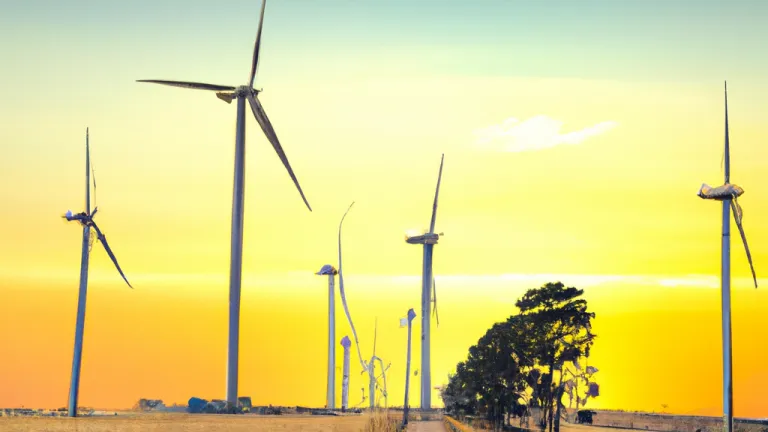
Wind energy is generated by the force of the wind, which moves the blades of wind turbines to produce electricity. It is a widely used renewable energy source in various countries, especially in regions with constant and strong winds.
Hydroelectric Energy
Hydroelectric energy is generated from the force of moving water, which is captured by dams and turbines to produce electricity. Although it is a clean energy source, the construction of large hydroelectric plants can have significant environmental impacts, such as flooding natural areas and displacing local communities.
Biomass Energy
Biomass energy is generated from the combustion of organic materials, such as wood residues, sugarcane bagasse, and agricultural waste. It is a renewable energy source that helps reduce the disposal of organic waste and generates energy more sustainably.
The Role of Renewable Energy in Sustainability
The transition to an energy model based on renewable sources is crucial for ensuring environmental, economic, and social sustainability. In addition to reducing greenhouse gas emissions and mitigating the impacts of climate change, renewable energy also contributes to the creation of green jobs, the development of clean technologies, and the promotion of energy security.
Countries around the world are increasingly investing in renewable energies as part of their strategies to combat climate change and promote sustainable development. Tax incentives, public policies, and partnerships between governments, companies, and civil society are essential to accelerate this transition and achieve ambitious carbon reduction goals.
Challenges and Opportunities
Despite the benefits of renewable energy, there are still challenges to be overcome for its widespread adoption on a global scale. Issues such as the intermittency of solar and wind energy sources, the need for adequate infrastructure for electricity generation and distribution, and resistance from traditional energy industry sectors are some of the obstacles to be faced.
However, technological advances and growing awareness of the importance of sustainability are creating new opportunities for the development of innovative and sustainable solutions in the energy field. The integration of energy storage systems, the digitalization of the electrical grid, and the encouragement of distributed generation are some of the strategies that can accelerate the transition to a future based on renewable energies.
Conclusion
Renewable energy represents the sustainable future within our reach, offering a clean, safe, and accessible alternative to meet the growing energy demands of modern society. Transitioning to an energy model based on renewable sources is essential to ensure environmental preservation, reduce greenhouse gas emissions, and promote sustainable development on a global scale.
It is crucial for governments, companies, and citizens to unite in collaborative efforts to accelerate this transition and promote the adoption of more sustainable practices in all spheres of society. Only through collective and committed actions will it be possible to build a greener, fairer, and more prosperous future for all.
