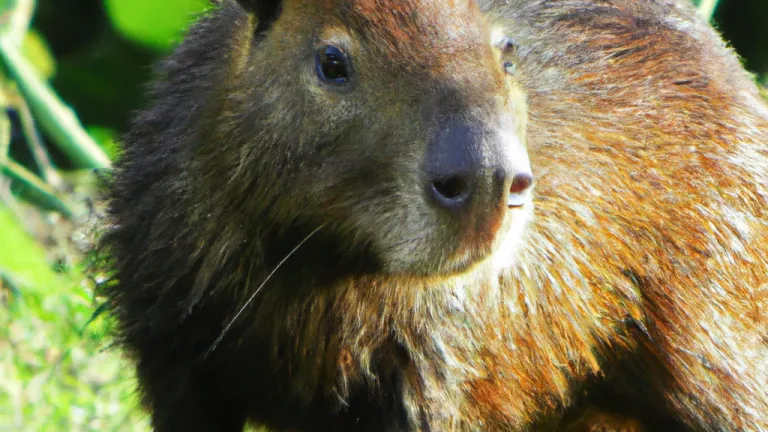
Exploring Wildlife Diversity: Discover the Fauna in Detail
Fauna is an essential part of our planet’s ecosystem, contributing to biodiversity and ecological balance. With an incredible variety of species, each with its own characteristics and peculiarities, wildlife offers us a fascinating glimpse into nature in all its beauty and complexity.
The Importance of Fauna
Fauna plays a crucial role in maintaining ecological balance. Different species interact with each other and the environment, contributing to plant pollination, seed dispersal, pest control, and many other ecosystem services essential for the survival of all living beings.
Moreover, fauna is also a source of inspiration for science, art, and culture. The diversity of forms, colors, and behaviors of wild animals has fascinated and enchanted people throughout history, driving scientific discoveries and inspiring works of art and literature.
Different Biomes and Their Faunas
Fauna varies according to the type of environment in which it lives, adapting to the specific conditions of each biome. From arctic climates to the tropics, from rainforests to savannas, each region has its own diversity of animal species adapted to the characteristics of the environment they live in.
Rainforests
Rainforests are some of the planet’s richest ecosystems in biodiversity, housing a wide variety of animal species, from small insects to majestic felines. Among the most well-known rainforest animals are monkeys, sloths, toucans, jaguars, and many others.
To learn more about the importance of rainforests, check out our post Exploring the Richness of Biodiversity: A Dive into Earth’s Variety of Life.
Savannas
Savannas are characterized by vast areas of grasses and shrubs, where a variety of animals adapted to this semi-arid environment live. Among the most emblematic savanna animals are lions, elephants, giraffes, zebras, and antelopes.
The Impacts of Human Action on Fauna
Unfortunately, human action has caused serious impacts on fauna worldwide. The destruction of natural habitats, illegal hunting, pollution, and climate change are some of the threats endangering the survival of many animal species.
To learn more about the impacts of human action on the environment, check out our post The Devastating Impacts of Pollution: An Urgent Reflection.
Fauna Conservation
Conservation of fauna is essential to ensure the survival of animal species and the preservation of biodiversity. Various organizations and projects around the world are working to protect natural habitats, combat illegal hunting, reintroduce endangered species into the wild, and educate the public about the importance of wildlife.
To learn how you can help protect fauna and the environment, check out our post 7 Tips to Reduce Solid Waste and Help the Environment.
Conclusion
Wildlife is a precious treasure that deserves to be protected and preserved for future generations. Knowing and appreciating the diversity of wildlife helps us understand the importance of nature conservation and our responsibility to care for planet Earth.
