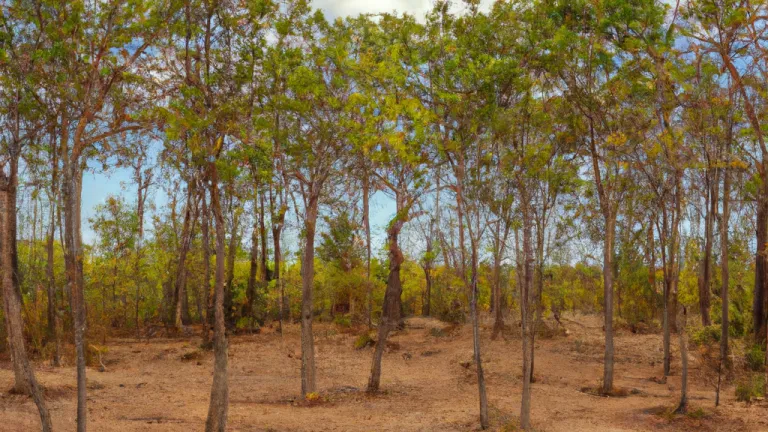
Reversing Deforestation: The Crucial Role of Reforestation in Environmental Conservation
Deforestation is one of the main threats to the environment worldwide. Forests play a crucial role in climate regulation, biodiversity conservation, and the protection of water resources. However, due to agricultural expansion, logging, and other human activities, many forest areas are being destroyed at an alarming rate.
The Importance of Forests for the Environment
Forests are complex ecosystems that host a wide variety of plant, animal, and microorganism species. They play a fundamental role in global climate regulation by absorbing large amounts of carbon dioxide from the atmosphere and releasing oxygen through photosynthesis. Additionally, forests act as water reservoirs, helping to regulate the hydrological cycle and prevent soil erosion.
Besides their environmental benefits, forests are also essential for human well-being. They provide natural resources such as food, medicine, fuel, and building materials, and play an important role in the culture and spirituality of many communities around the world.
The Impact of Deforestation
Deforestation has devastating consequences for the environment and society. The loss of forests leads to soil degradation, biodiversity loss, increased greenhouse gas emissions, and water scarcity. Furthermore, deforestation contributes to the destruction of natural habitats, which can lead to the extinction of plant and animal species.
In many regions of the world, deforestation is also associated with the illegal exploitation of natural resources, the displacement of traditional communities, and the degradation of the quality of life for people who depend on forests for their livelihoods.
The Role of Reforestation in Reversing Deforestation
Reforestation is one of the most effective strategies to reverse deforestation and restore forest ecosystems. It involves planting trees in deforested or degraded areas to recover vegetation cover and promote biodiversity recovery.
In addition to helping restore the ecosystem services of forests, reforestation can also contribute to climate change mitigation, as trees absorb carbon dioxide from the atmosphere and store carbon in their biomass. This helps reduce the concentration of greenhouse gases in the atmosphere and mitigate the impacts of climate change.
Benefits of Reforestation for the Environment
Reforestation brings a range of benefits to the environment, including:
Biodiversity Conservation
Planting trees in deforested or degraded areas helps create new habitats for wildlife and promote biodiversity recovery. This is essential for the preservation of plant and animal species that depend on forests to survive.
Climate Regulation
Trees play a crucial role in global climate regulation by absorbing carbon dioxide from the atmosphere and releasing oxygen through photosynthesis. Reforestation helps increase the carbon sequestration capacity of forests and reduce greenhouse gas emissions.
Water Resource Protection
Forests act as water reservoirs, helping to regulate the hydrological cycle and prevent soil erosion. Reforestation contributes to the protection of water resources, ensuring the supply of drinking water for local communities and the maintenance of aquatic ecosystems.
Challenges and Opportunities of Reforestation
Despite its benefits, reforestation faces a number of challenges, including the lack of financial resources, inadequate public policies, and resistance from local communities and industries that depend on the exploitation of natural resources. However, there are also many opportunities to promote reforestation and reverse deforestation on a global scale.
Investing in sustainable reforestation projects, promoting environmental education, and encouraging civil society participation are some of the strategies that can be adopted to address these challenges and leverage the opportunities of reforestation. Additionally, it is essential to involve governments, companies, non-governmental organizations, and the general population in promoting sustainable forest management practices and encouraging tree planting.
Conclusion
Reforestation plays a fundamental role in reversing deforestation and promoting environmental sustainability. By planting trees and restoring forest ecosystems, we can contribute to biodiversity conservation, climate regulation, and the protection of water resources. It is essential that we all do our part to promote reforestation and ensure a more sustainable future for our planet.
To learn more about how to help protect the environment, check out the following posts on our blog:
- Exploring Nature’s Riches: The Secrets of Natural Resources
- Save the Planet: Discover How Environmental Activism Can Make a Difference
- 5 Simple Tips to Preserve Your Food for Longer
- How Climate Change is Affecting Our Planet – An Urgent Alert
- 10 Ways to Make Your City More Sustainable: Practical Tips to Change the World Around You
