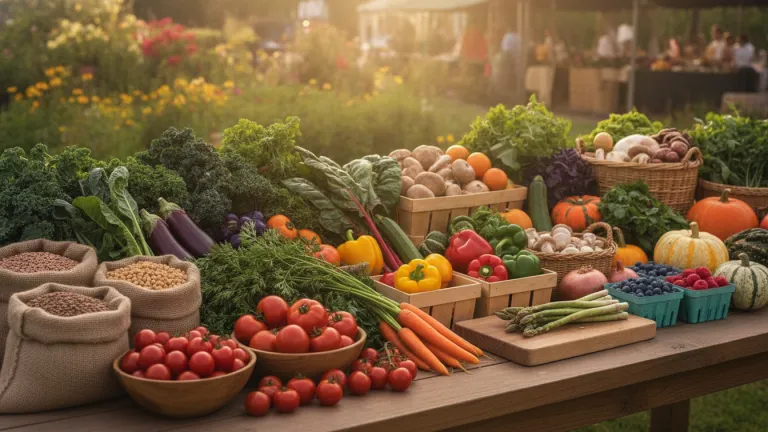
Have you ever stopped to think about the impact your lunch plate has on the planet? Meat production is one of the human activities with the largest environmental footprint in the world: it contributes to deforestation, consumes vast volumes of water and arable land, and is responsible for a significant portion of global greenhouse gas emissions. According to the Intergovernmental Panel on Climate Change (IPCC), food systems as a whole account for about 21 to 37% of global GHG emissions, and livestock farming ranks among the largest contributors within this system.
But here’s some good news: you don’t need to become vegan overnight to make a difference. Reducing meat consumption gradually, in a progressive and enjoyable way, already brings real benefits for both the environment and your health and wallet. This article is a practical and honest guide for those who want to start this transition without suffering and without giving up on flavor.
The idea is not to impose guilt or preach radicalism. It’s to show that small choices repeated over time build powerful habits — and that each meal is an opportunity to act more consciously.
Why Reducing Meat Consumption Matters for the Planet
Livestock farming occupies a huge area of global territory. According to data from the United Nations Food and Agriculture Organization (FAO), animal farming for human consumption uses about 70% of the world’s agricultural land. In Brazil, this impact is even more visible: the country has the world’s largest commercial cattle herd, and the expansion of livestock farming is historically associated with deforestation in the Amazon and Cerrado regions.
Beyond land use, beef production is intensive in methane emissions — a greenhouse gas with global warming potential far superior to CO₂ in the short term. Methane released by cattle’s enteric fermentation is a relevant factor in the Brazilian agricultural sector’s climate accounts.
There’s also water consumption. Producing animal proteins, especially beef, requires much larger volumes of water than producing equivalent plant-based proteins. Replacing part of meat consumption with plant-based foods is therefore one of the individual actions with the greatest potential for reducing environmental impact — something that researchers and international organizations like the IPCC have emphasized in their recent reports.
The Most Common Myths About Reducing Meat
Before starting the change, it’s worth dispelling some misconceptions that prevent many people from taking the first step.
“I’ll lose protein and become weak.” Beans, lentils, chickpeas, tofu, eggs, cheese, quinoa, and nuts are rich protein sources. A varied combination of plant-based foods throughout the day ensures all the amino acids necessary for most people.
“Vegetarian food is expensive and difficult to prepare.” In practice, beans and rice — a traditional Brazilian combination and nutritionally almost complete — is much cheaper than a steak. Grains, legumes, and seasonal vegetables tend to cost less than meat cuts.
“It only makes a difference if everyone changes.” Collective change starts with individual choices. Additionally, consumer demand directly influences the market: when more people opt for plant-based products, industry responds.
“I have to be vegetarian or vegan for it to matter.” No. Reducing consumption already counts. Someone who eats meat every day and switches to eating it on alternate days is already making a concrete difference.
How to Reduce Meat Consumption Gradually: Step by Step
The most sustainable transition — both for the planet and your habits — is one made with patience. See a possible path:
- Make a personal diagnosis. Note for a week how many times you consume meat per day and in which meals. This helps identify the easiest moments to substitute.
- Start with one meal. Choose one meal of the day — Monday lunch, for example — and replace the meat with a plant-based option you already enjoy. Don’t try to change everything at once.
- Adopt the concept of “Meatless Monday.” The Meatless Monday movement is adopted in more than 40 countries and proposes exactly this: eliminate meat only on Mondays. It’s a gentle entry point and has been the subject of campaigns in Brazilian municipalities and schools.
- Explore plant-based proteins you like. Instead of thinking about what you’re “giving up,” focus on discovering what you can add to your menu. Try a new recipe with lentils, chickpeas, or mushrooms each week.
- Reduce frequency before reducing quantity. If you eat meat 14 times a week, try getting to 10. Then to 7. This gradual progression is more effective than cutting in half all at once.
- Choose cuts with lower impact when consuming. Chicken and pork generally have a smaller environmental footprint than beef. Within an omnivorous diet, this choice already makes a difference.
- Involve whoever cooks or eats with you. Changes in eating habits are easier when shared. Invite family or coworkers to the process.
Practical Substitutions in Daily Life
The list below brings simple swaps you can start applying today, without needing exotic ingredients or complicated recipes:
- Instead of steak: sautéed mushrooms with olive oil and garlic, or a country-style egg with vegetables
- Instead of ground meat: cooked and seasoned lentils (has similar texture and absorbs seasonings well)
- Instead of shredded chicken: shredded chickpeas or jackfruit (green jackfruit) — the latter is widely used in Brazilian northeastern cuisine
- Instead of hamburger: black bean burger, beet and chickpea burger, or industrially produced plant-based versions already available in supermarkets
- Instead of bacon: smoked eggplant or grilled shiitake mushroom with soy sauce
- Instead of meat broth in soups: homemade vegetable broth, which is more nutritious and much cheaper
- Instead of sausage in rice and pasta: smoked tofu crumbled, which absorbs the recipe’s seasonings well
Experimentation is part of the process. Not every substitution will appeal on the first try — and that’s fine. What matters is continuing to explore.
Eating Less Meat and Biodiversity: A Direct Connection
The relationship between meat consumption and biodiversity loss is more direct than it appears. The expansion of pastures and crops for animal feed is one of the main causes of natural habitat destruction in Brazil and the world. When a biome like the Cerrado or Amazon is cleared to make way for cattle or soy for animal feed, entire species lose their habitat — many before even being discovered by science.
Reducing meat consumption is therefore also a way to protect biodiversity: what it is and why it matters. Each choice on your plate connects, in a real and measurable way, to the pressure exerted on the country’s natural ecosystems.
How to Make the Change Last
Changing eating habits is a process that involves culture, identity, pleasure, and routine. For meat consumption reduction to be lasting, some principles help:
- Don’t treat it as a restrictive diet. Think of expansion — of flavors, techniques, ingredients — not deprivation.
- Cook more at home. Having control over what goes into your meal makes conscious choices easier. If you want more tips on making your home more sustainable, the article about reusing packaging: creative and simple ideas can inspire kitchen changes too.
- Value seasonality. Prefer seasonal vegetables and legumes from your region. They’re fresher, cheaper, and have lower transportation footprint.
- Celebrate progress. If you were someone who ate meat three times a day and now eat it once, that’s a real victory. Recognize the change instead of blaming yourself for what you haven’t done yet.
- Seek community. Plant-based cooking groups, vegetarian recipe profiles on social media, and like-minded friends make the journey lighter and more enjoyable.
Conclusion: Your Plate, Your Choice, Your Impact
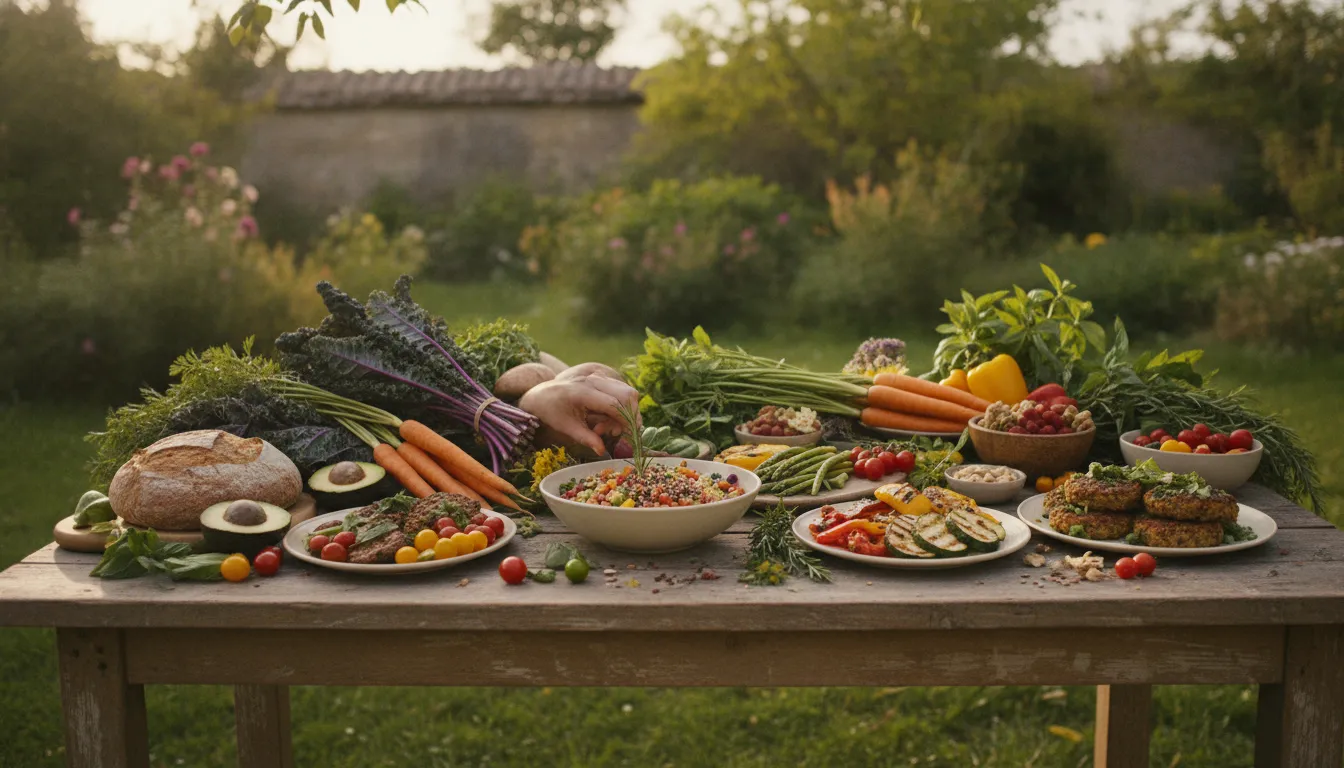
Reducing meat consumption doesn’t require perfection. It requires intention and consistency. Each meal in which you choose beans instead of steak, or chickpeas instead of chicken, is a concrete action in favor of climate, water, land, and biodiversity — and most often also in favor of your health and budget.
The path doesn’t need to be radical to be real. Start with one meal per week. Then two. Try a new recipe each month. Invite someone to try it with you. Allow yourself to make mistakes and start over without guilt.
The planet doesn’t need a few people living sustainability perfectly. It needs many people doing what they can, the way they can, with what they have. And it starts — literally — with the next plate you’re going to serve.
