
More and more people realize that major environmental crises — climate change, biodiversity loss, ocean pollution — seem too distant to be solved by a single ordinary person. But this perception is largely a trap. Science has already shown that behavioral changes on a collective scale have real and measurable impact. When millions of people adopt more conscious habits, the effects add up significantly — in reducing emissions, consuming natural resources, and pressuring fragile ecosystems.
Brazil occupies a unique position in this debate. We are one of the most biodiverse countries on the planet, home to the largest continuous tropical forest in the world, and at the same time, we face serious challenges of deforestation, waste generation, and excessive consumption of water resources. According to the Intergovernmental Panel on Climate Change (IPCC), limiting global warming to 1.5°C requires profound transformations in all sectors — and consumer behavior is part of this equation.
The good news is that preserving the environment doesn’t have to be complicated or expensive. This article brings together practical actions, organized by area of daily life, that you can start applying today. Small changes, repeated daily and shared with those around you, build an impact that goes far beyond what we imagine.
Why Individual Actions Still Matter
It’s true that governments and corporations bear disproportionate responsibility for the climate crisis. But reducing the debate to “it’s the corporations’ fault” can paralyze us. The reality is more complex and, at the same time, more hopeful: consumers influence markets, public policies respond to social demands, and cultures transform from repeated individual choices.
The IPCC, in its most recent reports, points out that demand-side changes — that is, in what and how we consume — have the potential to significantly reduce global emissions, especially in the food, transportation, and energy use sectors. It’s not about blaming the individual, but recognizing that each of us is also an agent of transformation.
Furthermore, adopting sustainable habits often brings direct benefits: savings on electricity bills, less money wasted on food, better quality of life, and a more conscious relationship with what we consume. Sustainability and well-being go together much more often than common sense suggests.
Conscious Eating: One of the Biggest Impacts You Can Have
The way we eat is one of the choices with the greatest environmental impact in a person’s life. Food production accounts for a considerable share of global greenhouse gas emissions, as well as being the main cause of deforestation, water use, and biodiversity loss on a global scale, according to reports from the Food and Agriculture Organization of the United Nations (FAO).
How to Reduce the Impact of Your Diet
- Reduce food waste. Plan the week’s meals before going to the market. Buy only what is necessary and use peels, stems, and leaves in preparation. Brazil throws away an enormous amount of still usable food — and every kilogram of wasted food carries with it all the water, energy, and land used to produce it.
- Prefer seasonal and local foods. Products grown near you travel less distance to your plate, generating fewer transport emissions. Farmers’ markets and community gardens are good sources.
- Reduce meat consumption, especially beef. You don’t need to become vegetarian overnight. Starting with one or two meatless days per week already makes a difference. Cattle ranching is associated with high levels of methane emissions and deforestation, especially in the Amazon.
- Avoid ultra-processed foods with excessive packaging. Besides health impacts, these products generate large volumes of plastic packaging that is difficult to recycle.
- Grow something at home. Even in apartments, it’s possible to grow aromatic herbs in pots. This reduces small packaged purchases and connects you to the food cycle.
Water: Use Consciously Without Giving Up Comfort
Brazil is a country privileged in water resources, but this abundance is unevenly distributed — and waste is a real problem in many regions. More frequent and intense droughts, associated with climate change, are already affecting supply in several Brazilian cities.
Simple Habits to Save Water
- Turn off the tap while brushing your teeth or lathering your hands.
- Prefer shorter showers. Reducing shower time by a few minutes can save dozens of liters per week.
- Regularly check for leaks in faucets and toilets. A toilet with a faulty flush can waste hundreds of liters per day without you noticing.
- Reuse rainwater to water plants or clean sidewalks, if possible.
- Wash clothes with a full machine. Each cycle consumes a significant amount of water — optimize its use.
- When washing dishes manually, use a basin instead of leaving the tap running.
Energy at Home: Small Changes, Lower Bills, and Less Carbon
Brazil’s electricity sector has a matrix with a significant share of renewable sources, mainly hydroelectric, which already places the country in a favorable position in terms of emissions per kilowatt-hour. Still, conscious energy consumption matters — especially because part of generation still depends on thermal power plants activated during water crises, and because saving energy reduces pressure on the system as a whole.
How to Consume Energy More Efficiently
- Replace old bulbs with LED. LED bulbs consume a fraction of the energy of incandescent bulbs and last much longer. It’s one of the best cost-benefit swaps available.
- Turn off devices on standby. Televisions, chargers, and other electronics in standby mode continue consuming energy. Using power strips with switches helps cut this consumption practically.
- Use air conditioning in moderation and keep filters clean. Devices with dirty filters consume more energy for the same result.
- Take advantage of natural light. Organize spaces to better use daylight and reduce the need for artificial lighting.
- Consider solar energy. Brazil has one of the best solar irradiation rates in the world, and the photovoltaic panel market has grown significantly in recent years. ANEEL regulates distributed microgeneration, which allows homes to inject surplus energy into the grid.
Waste and Consumption: Less is More
Solid waste generation is a growing challenge in Brazilian cities. Reducing waste at the source — even before thinking about recycling — is the most effective strategy. The so-called waste hierarchy places refusal and reduction before reuse and recycling.
To understand how to apply this in daily life, it’s worth exploring practical strategies for reducing household waste with simple habits.
Practical Actions to Generate Less Waste
- Bring reusable bags to the market and smaller bags for produce.
- Prefer products with less packaging or returnable packaging.
- Buy in bulk whenever possible.
- Donate or exchange items you no longer use before discarding them.
- Compost organic waste. Fruit and vegetable scraps and coffee grounds can become fertilizer in home composters, including compact models for apartments.
- Separate recyclables correctly and deliver them to selective collection points in your municipality.
- Avoid single-use plastics. Straws, disposable cups, plastic cutlery, and bags have easily accessible reusable alternatives.
Transportation: Rethink How You Get Around
Transportation is a significant source of greenhouse gas emissions, especially in large cities where private car use is intense. Changing commuting habits can have a considerable environmental impact — and also improve your health and relationship with the city.
Alternatives to Private Cars
- Walk or cycle for short trips. Besides reducing emissions, it brings proven benefits to physical and mental health.
- Use public transportation whenever possible. A full bus removes dozens of cars from the streets.
- Carpool with coworkers or neighbors who make similar trips.
- Avoid short domestic flights when train or bus travel is feasible. Aviation has significant climate impact per kilometer traveled.
- If you need to use the car, keep tire pressure up to date and avoid sudden accelerations — this reduces fuel consumption.
Nature Around You: Care for the Green Near You
Preserving the environment isn’t just about large distant biomes. The nature around you — a garden, a square, a tree on the sidewalk — is also part of the urban ecosystem and deserves care.
- Plant native trees if you have space. Native species from your region are better adapted to the local climate and offer food and shelter for wildlife.
- Avoid pesticides in home gardens. They affect bees and other pollinators essential for food production.
- Participate in cleanup efforts in nearby parks, beaches, or rivers. Collective initiatives have immediate impact and strengthen community spirit.
- Report fires and deforestation to competent authorities, such as IBAMA or State Environmental Secretariats.
- Support conservation units, whether by visiting them responsibly or supporting organizations that work to protect them.
Conclusion: Start Today, Inspire Tomorrow
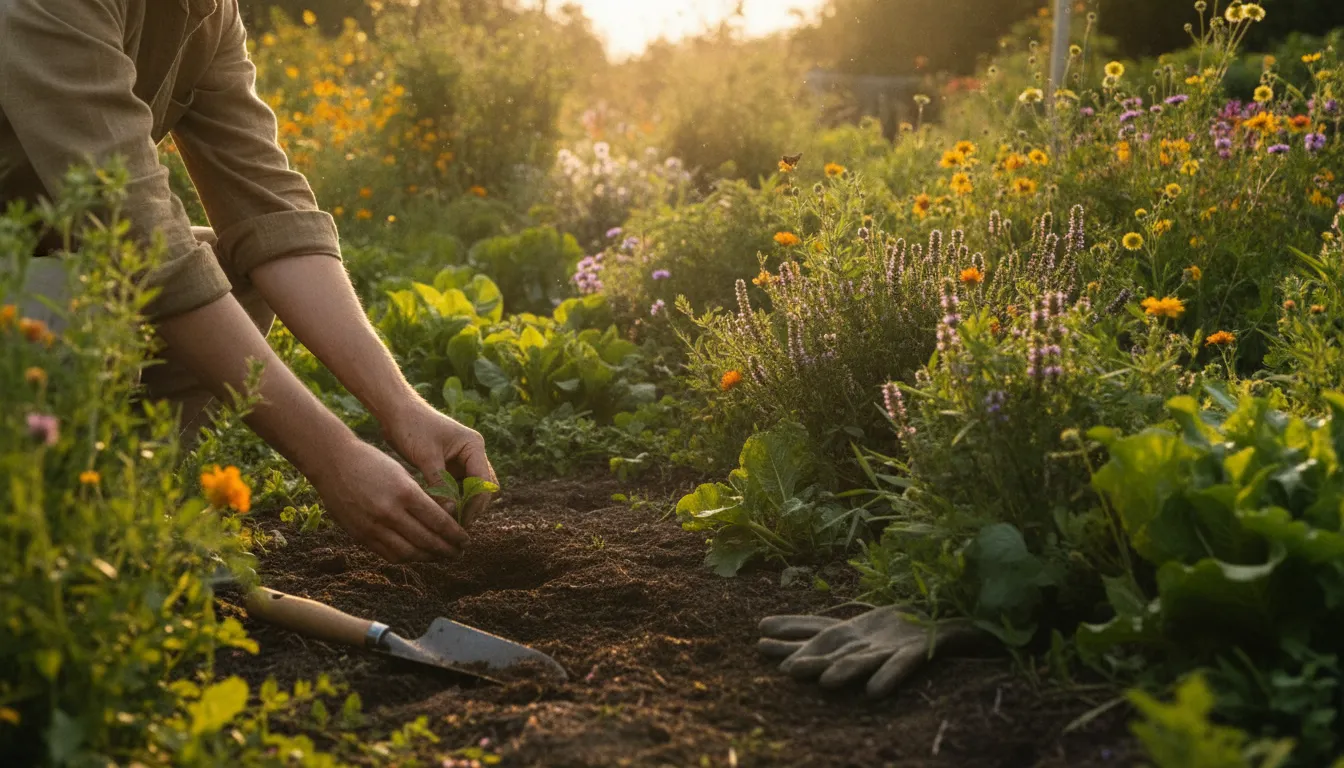
Preserving the environment with everyday actions doesn’t require perfection — it requires intention and consistency. You don’t need to change everything at once. Choose one or two actions from this list that seem most accessible for your current life situation and start with them. Over time, new habits become natural, and you begin to notice improvement opportunities in other aspects of daily life.
Share what you’re doing with friends, family, and colleagues. Conversation is one of the most powerful tools for cultural transformation. When we normalize sustainable choices in our social circle, we create an environment where caring for the planet is seen as common, not as a sacrifice.
The planet doesn’t need a few people living in a perfectly sustainable way. It needs many people doing the best they can, with the resources and context they have. And you’re already on the right path — the fact that you’re reading this article is proof of that.
Start today. The environment thanks you, and so will you.
