
Why Small Actions Make a Big Difference for the Environment
Have you ever stopped to think about the impact your daily choices have on the planet? The plastic bottle discarded after a single use, the shower running for extra minutes, the light left on in an empty room — individually, they seem insignificant. But when we multiply these habits by billions of people, the result becomes immense. The good news is that the reverse is also true: small behavioral changes, practiced at scale, have the potential to transform humanity’s relationship with nature.
In 2026, the environmental debate has gained even greater urgency. The Intergovernmental Panel on Climate Change (IPCC) has already warned, in its most recent reports, that limiting global warming to 1.5°C above pre-industrial levels — the limit considered safest — requires drastic reductions in greenhouse gas emissions at all scales, including the individual level. This doesn’t mean the weight of the climate crisis falls solely on the average consumer; public policies and corporate decisions are essential. But it does mean that each of us has a real role to play.
This article is a practical guide for anyone who wants to start — or deepen — a more sustainable life without giving up the comfort and convenience of everyday living. The tips gathered here are simple, accessible, and above all, effective.
How to Reduce Energy Consumption at Home
Electricity is behind a significant portion of household carbon emissions, even in countries like Brazil, which has an electrical grid with substantial participation from renewable sources. Still, the generation and transmission of electricity consume natural resources and generate losses. Saving energy is, therefore, always a smart and sustainable choice.
Simple Habits that Lower Your Bill and Environmental Impact
- Replace incandescent and fluorescent bulbs with LEDs, which consume significantly less energy and have a much longer lifespan.
- Unplug devices from outlets when not in use. The “standby” mode of electronics like televisions, chargers, and microwaves continues consuming energy even without active use.
- Run the washing machine with a full load and prefer cold temperature settings, which consume less energy.
- Set the air conditioner between 73°F and 75°F (23°C to 24°C) — each degree lower can increase energy consumption by about 8%, according to energy efficiency guidelines.
- Take advantage of natural lighting by opening curtains and windows during the day.
For those thinking about taking a bigger step, solar photovoltaic energy is an increasingly accessible option in Brazil. If you want to understand whether it’s worth it for your situation, check out our article Energia Solar Compensa no Brasil: Veja em Quanto Tempo.
How to Use Water Consciously
Brazil is a country of enormous water wealth, but that doesn’t mean water is infinite or should be wasted. Regions like the northeastern Semi-arid face chronic scarcity, and even large metropolitan areas experience periodic supply crises. Additionally, water treatment and distribution consume energy and chemicals — saving water also means saving resources.
Step-by-Step Guide to Reducing Water Consumption at Home
- Turn off the faucet while brushing your teeth and soaping dishes. This simple habit can prevent the waste of many liters per minute.
- Take shorter showers. A 5-minute shower instead of 15 represents significant water savings over a month.
- Fix leaks promptly. A dripping faucet can waste dozens of liters per day — regularly check faucets, valves, and water tanks.
- Reuse rinse water from laundry to clean sidewalks or water plants.
- Install flow reducers on faucets and showerheads — these are inexpensive, easy-to-install devices that reduce flow without compromising functionality.
- Water the garden in early morning or late afternoon, when evaporation is lower, making better use of the water applied.
How to Reduce the Waste You Generate: The 5 Rs Concept
Waste management is one of the biggest urban environmental challenges. Brazil generates large volumes of trash daily, and a significant portion still ends up in landfills — or in even worse places, like rivers and vacant lots. Adopting the 5 Rs logic is one of the most effective ways to change this scenario at the individual level.
The 5 Rs are: Refuse, Reduce, Reuse, Recycle, and Repair.
- Refuse what isn’t necessary: plastic bags, straws, excessive packaging, disposable promotional items.
- Reduce overall consumption by buying only what’s needed and avoiding impulse purchases.
- Reuse containers, jars, clothes, and objects before discarding them.
- Recycle correctly by separating dry waste from organic waste and taking it to selective collection points.
- Repair instead of throwing away — fixing clothes, electronics, and furniture extends product lifespan.
An especially powerful tip: home composting. Fruit scraps, vegetable peels, and coffee grounds can be transformed into rich fertilizer for plants instead of going to regular trash. There are compact composters for apartments that don’t generate odor and are simple to operate.
How to Make More Sustainable Consumer Choices
Consumer power goes beyond the recycled aluminum can. Purchasing decisions send signals to the market and influence what companies produce and how they produce it. Consuming more consciously is a form of everyday activism.
Food: One of the Biggest Individual Impacts
Food production accounts for a significant portion of global greenhouse gas emissions, according to IPCC data. Livestock, especially cattle, has a relevant impact in this scenario. This doesn’t mean everyone needs to become vegan overnight — but reducing red meat consumption, even on just a few days per week, already represents a measurable difference.
Other useful practices:
- Prefer local and seasonal foods, which require less transportation and storage.
- Avoid food waste — plan purchases, store food properly, and use peels and stems in cooking.
- Choose products with less packaging or recyclable packaging.
- Buy from farmers’ markets and local producers when possible, supporting smaller-scale and closer agriculture.
Fashion and Manufactured Products
The fashion industry is one of the most polluting in the world. Before buying new clothes, ask yourself: do I really need this? Is there a piece I already own that serves the same function? Thrift stores, swaps among friends, and valuing what you already have are alternatives growing in popularity — and for good reason.
How to Get Around More Sustainably
Transportation is a significant source of CO₂ emissions in urban Brazil. Individual cars running on fossil fuels, especially for short trips, are one of the least efficient forms of mobility from an environmental standpoint.
Practical alternatives:
- Walk or use a bicycle for short trips. Besides being sustainable, it’s beneficial for your health.
- Use public transportation whenever possible — buses and subways move far more people with far less emission per passenger than individual cars.
- Consider carpooling with colleagues who have similar commutes.
- Plan trips and avoid unnecessary travel, especially by airplane, whose climate impact per kilometer traveled is high.
- If buying a vehicle, evaluate electric or hybrid options, whose market in Brazil has been growing and whose charging infrastructure is expanding.
How to Understand and Reduce Your Ecological Footprint
Before taking action, it’s helpful to know where to start. The ecological footprint is a tool that estimates how many natural resources you consume and how much waste you generate — translating all of this into the area of land and water needed to sustain your lifestyle.
Calculating your ecological footprint helps identify which habits have the greatest impact and where it’s worth focusing your change efforts. Want to better understand this concept and discover your footprint? Access our article Pegada Ecológica: o que é e como calcular a sua and do the calculation.
With this diagnosis in hand, it becomes much easier to prioritize the changes that make the most sense for your lifestyle.
How to Engage Your Family, Neighborhood, and Community
Individual change is important, but the impact multiplies when other people are also involved. You don’t need to give speeches or preach values — often, silent example is more powerful than any argument.
Some practical ways to extend the reach of your actions:
- Share learnings in a light, non-judgmental way in everyday conversations.
- Propose collective initiatives in your building, such as selective collection, shared composting, or a community garden.
- Support local environmental causes and organizations — time and skills are as valuable as financial donations.
- Participate in cleanup efforts in parks, beaches, and rivers in your city.
- Teach children about the value of nature in a fun and practical way — a seed planted in childhood lasts a lifetime.
Start Today: The Planet Thanks You for Every Step
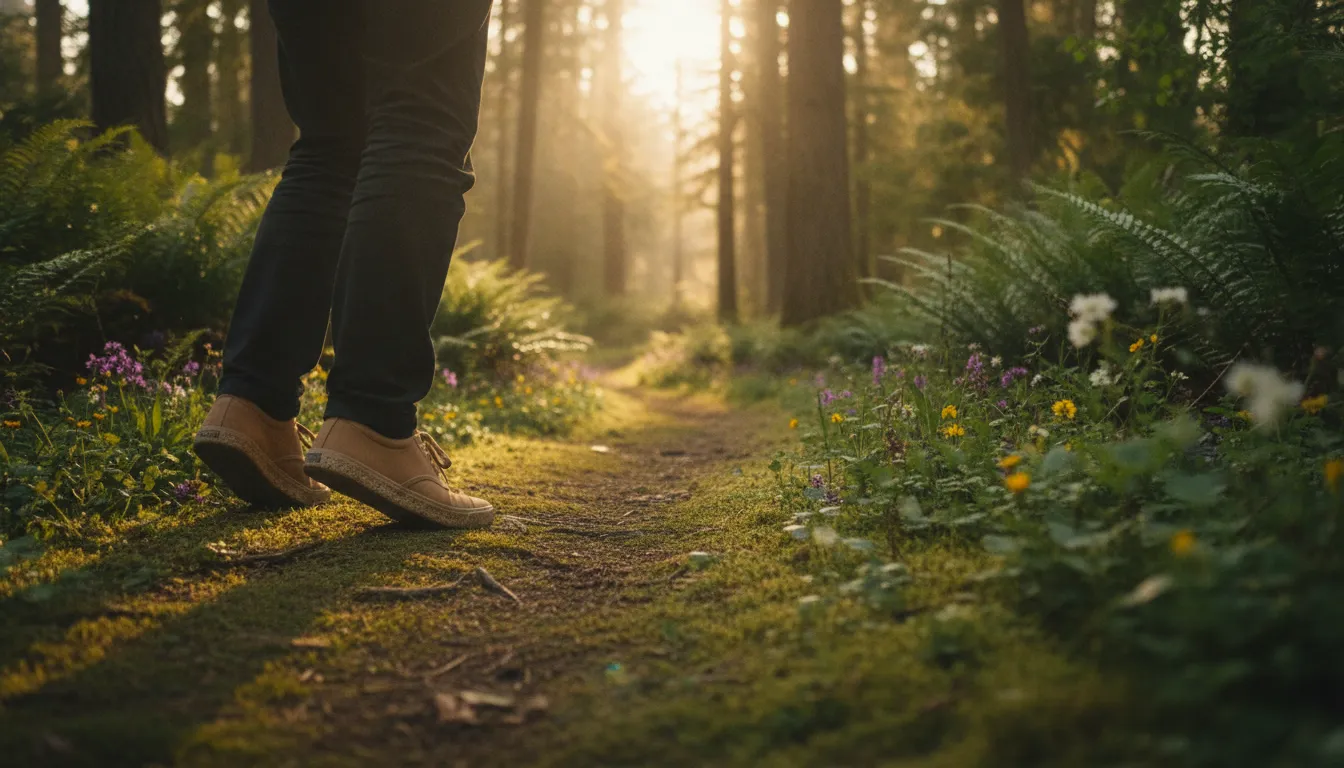
Protecting the environment doesn’t require you to change everything at once, give up comfort, or become an ecology expert. It does require awareness, consistency, and willingness to progressively improve. Every choice counts. Every changed habit matters. And when added together, these individual gestures become a collective force capable of shaping the future.
Choose one or two actions from this list and start practicing them this week. Then incorporate more. Over time, what seemed like effort becomes routine — and sustainable routine becomes identity. The planet doesn’t need perfection; it needs people committed to doing better, day after day.
You already have what you need to start. The moment is now.
