Why the Bathroom Is the Right Place to Start Making Changes
When we think about sustainability, our minds quickly jump to solar energy, electric cars, or urban gardens. But there’s one room in the house that goes unnoticed — and hides a surprising environmental impact: the bathroom. Between plastic shampoo bottles, conditioners, liquid soaps, creams, and disposable hygiene products, most people generate a considerable amount of waste just from their daily personal care routine.
The good news is that the bathroom is also one of the places where small swaps yield concrete and immediate results. Unlike installing solar panels or switching cars, replacing shampoo with a solid bar or ditching disposable cotton swabs are decisions that fit within any budget, don’t require renovations, and can be made today. And when multiplied by millions of people, these individual choices become a real collective force.
In this article, you’ll find a selection of sustainable bathroom products already available on the market, with practical explanations of why each one is worth the switch — without exaggeration and without unnecessary guilt.
The Problem with Single-Use Plastic in Hygiene Products
Shampoo bottles, conditioner, liquid soap, shaving cream, exfoliants: most personal hygiene products come in polypropylene or PET plastic packaging, many of which are difficult to recycle because they contain product residue or are made of multiple layers of material.
Brazil is one of the largest generators of solid waste in Latin America. According to data from the Solid Waste Overview in Brazil, published by Abrelpe, the country generates more than 80 million tons of waste per year, and the plastic recycling rate is still low, especially for small-volume packaging like those from the bathroom. A significant portion of this material ends up in landfills — or worse, in the environment.
Beyond disposal, there’s another problem: microplastics. Exfoliants with plastic microbeads, although banned in several European countries, still circulate in some product lines. These fragments reach water bodies, are ingested by aquatic organisms, and enter the food chain. The presence of microplastics in marine organisms and even in drinking water is documented in scientific studies published in recent years.
Switching these products isn’t just an aesthetic matter of “being green.” It’s a decision with real consequences for aquatic ecosystems and planetary health.
Shampoo and Conditioner Bars: The Most Impactful Switch
If you could make just one substitution in the bathroom, this would be the most recommended. Solid shampoo and conditioner bars completely eliminate plastic packaging — most come in recycled paper or no packaging at all.
Additionally, because they’re concentrated, one solid shampoo bar equals, on average, two to three conventional liquid bottles. This means less product purchased, less packaging generated, and generally lower cost per use over time — even if the initial price seems higher.
How to choose a good sustainable solid shampoo
- Check the ingredients: prefer formulas without harsh sulfates (like SLS and SLES) and without silicones, which can build up on hair.
- Consider your hair type: today the market already offers options for dry, oily, curly, and color-treated hair.
- Proper storage makes a difference: keep the bar out of direct contact with water using a soap dish with drainage or a support sponge. This prevents the product from melting quickly.
- Adjustment period: some hair takes two to four weeks to adjust to the switch. It’s normal for hair to feel heavier at first.
Brands like Lush, Granado, and some small independent producers already offer solid lines. The market has grown significantly in recent years and quality has improved considerably.
Bar Soap: The Classic That Should Never Have Gone Out of Style
Bar soap is perhaps the most underrated product in the history of personal hygiene. It was progressively replaced by liquid soap — which uses much more plastic packaging and generally contains more water in the formula, meaning you’re buying less effective product for the same price.
Traditional bar soaps have minimal packaging, last longer, and are widely recyclable (the cardboard packaging goes straight to recycling). For those who want to go further, artisanal soaps made with vegetable oils through the cold saponification process are an excellent option — many local producers work with natural ingredients and zero-waste packaging.
If you’re curious about how soaps can be produced in an even more creative and sustainable way, it’s worth reading about homemade soap made with used cooking oil — a practice that repurposes a very common household waste.
Bamboo Toothbrushes and Refills: Rethinking Mandatory Plastic
Dentists recommend changing your toothbrush every three months. For a family of four, that means at least 16 plastic toothbrushes discarded per year — an item that isn’t recycled in most municipalities because it’s difficult to process.
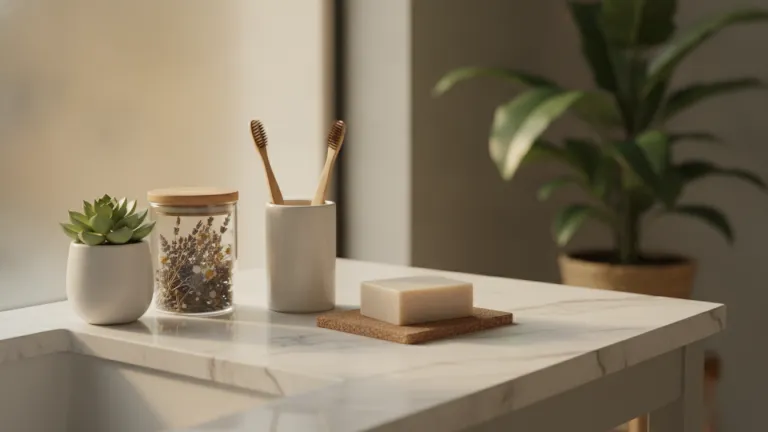
Bamboo toothbrushes are a real and already accessible alternative. The handle is made of bamboo, a fast-growing and renewable material that can be disposed of in home composting or organic waste collection. The bristles, in most available versions, are still nylon (100% bamboo exists but is rare and less efficient), so they should be removed with pliers before composting the handle.
Another option is toothbrushes with replaceable heads: you keep the handle for years and only change the bristle head. Brands like Preserve and others already offer this system.
For toothpaste, there are versions in solid tablets or in reusable glass packaging, which avoid conventional plastic tubes. Adoption is still lower, but product quality has improved significantly.
Sustainable Menstruation: Options That Are Truly Worth the Switch
This is a topic that deserves special attention. Conventional disposable pads are composed of plastic, processed cotton, and other materials that make recycling difficult — and they’re used in large quantities over decades.
Sustainable alternatives available today include:
- Menstrual cup: made of medical-grade silicone, it can be used for up to ten years with proper care. It eliminates virtually all disposable menstrual waste.
- Menstrual disc: similar to the cup but with a different shape; a good option for those who have difficulties with the cup.
- Reusable cloth pads: washable, durable, available in various sizes. Many seamstresses and small businesses produce them locally.
- Period underwear: combines practicality with zero waste per use. The initial investment is higher, but the financial and environmental return over time is significant.
The transition doesn’t need to be radical: starting with a cup to use at home while still using disposable pads at other times already represents a real reduction in waste.
Other Products Worth Switching Today
Beyond the main swaps, there are several smaller substitutions that, together, make a considerable difference:
- Paper or bamboo cotton swabs instead of plastic ones: already easy to find in supermarkets and perform just as well.
- Safety razor (metal razor): lasts for years, and only the stainless steel blade is replaced — materially much smaller than an entire disposable razor. It’s recyclable at most metal collection points.
- Washable cotton pads for makeup: replace disposable cotton rounds used to remove makeup.
- Alum stone as deodorant: natural mineral, lasts months, no plastic packaging. Doesn’t work for all body types, but worth testing.
- Bamboo or natural silk dental floss: alternative to nylon dental floss in plastic packaging; some brands already offer refills.
How to Make the Transition Without Stress: A Practical Step-by-Step Guide
The idea isn’t to throw away everything you have in your bathroom now — that would be wasteful. Sustainable logic starts with conscious use of what already exists.
- Finish what you already have. Don’t discard still-useful products; use them until they’re gone.
- Identify the next product that will run out. When it’s time to restock, that’s your opportunity to switch to a sustainable version.
- Make one swap at a time. Start with the product you use most frequently or that generates the most packaging.
- Research before buying. Read labels, check the composition, look for brands with transparency about ingredients and supply chain.
- Share with those who live with you. A swap adopted by the whole family multiplies the impact without multiplying the effort.
- Track your progress. Save the packaging you avoided using for a month. Seeing concrete results is motivating.
To deepen your journey beyond the bathroom, the Practical Guide to Reducing Household Waste offers strategies applicable throughout the home.
Conclusion: Small Swaps, Real Impact
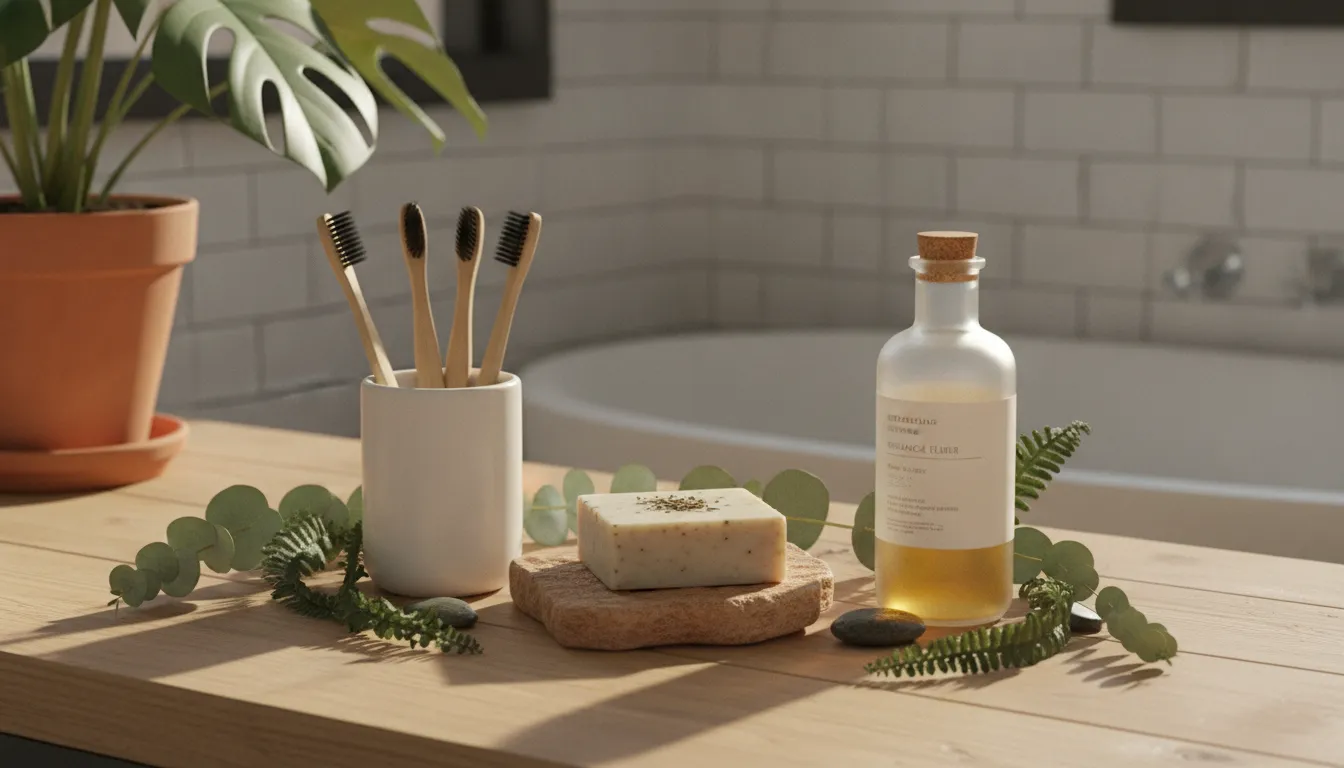
The bathroom concentrates some of the most repetitive habits of our lives — and that’s precisely why changing these habits has so much potential. Every plastic bottle replaced by a solid bar, every plastic toothbrush swapped for bamboo, every disposable pad giving way to a reusable cup represents a choice that repeats day after day, month after month, year after year.
You don’t need to transform everything at once. You just need to take the first step — and then the second. Perfection isn’t the goal; direction is. And the direction toward a sustainable bathroom is clear, accessible, and often more economical than it first appears.
Start today. Your next product running out can already be your starting point.
