
We live in a time when conversations about the environment have moved from scientific conferences to dinner tables, social media, and everyday purchasing decisions. In 2026, this movement is more urgent than ever: the most recent IPCC report reinforces that the windows of opportunity to limit global warming to 1.5°C are narrowing, and the effects of climate change are already being felt concretely in Brazil — in droughts in the Central-West, extreme rainfall in the South, and accelerated degradation of biomes like the Amazon and Cerrado. But there’s good news embedded in this reality: each individual action, combined with millions of others, produces real change.
The most common trap is believing that preserving the environment requires great sacrifices, high costs, or a radical lifestyle transformation overnight. It doesn’t. Behavioral science shows that small, consistent habits have enormous cumulative impact — and that starting with simple steps is exactly what increases the chance of long-term maintenance. This article gathers practical, verifiable, and accessible actions for anyone who wants to contribute to environmental preservation starting today.
If you’ve ever wondered “but what can I, alone, do?”, the answer is in the following sections. We’ll explore everything from energy and water consumption to food, waste disposal, and collective engagement — always focusing on what’s actually possible to do, without excessive guilt and without naive romanticism.
Home Energy Consumption: Small Changes, Big Difference
The residential sector is responsible for a significant portion of national electricity consumption. According to ANEEL and the National Energy Balance produced by EPE (Energy Research Company), residential consumption represents about a quarter of all electricity consumed in Brazil. Reducing this number starts with simple daily attitudes.
How to Reduce Daily Electricity Consumption
- Replace incandescent bulbs with LED. LED bulbs consume up to 80% less energy than incandescent ones for the same amount of light, according to Inmetro data.
- Turn off devices in standby mode. The “standby mode” of televisions, microwaves, and chargers can represent up to 12% of the residential electricity bill, according to Procel/Eletrobras studies.
- Set the air conditioner to 23°C. Each degree lower can increase the equipment’s consumption by about 8%, according to Procel guidelines.
- Prefer appliances with Procel A seal. When replacing equipment, choose the most efficient ones — the consumption difference between grades A and E can exceed 50%.
- Take advantage of natural light. Organize spaces to maximize sunlight entry during the day, reducing the need for artificial lighting.
Brazil has an electrical matrix with high participation of renewable sources — hydroelectric, wind, and solar — which is already an advantage. But energy efficiency remains the cheapest and most immediate way to reduce emissions and save natural resources.
Conscious Water Use: An Increasingly Precious Resource
Brazil holds about 12% of the planet’s surface freshwater, but this abundance is not uniformly distributed — and climate warming has worsened droughts in regions like the Semi-Arid Northeast and even the interior of São Paulo. Climate change in Brazil is already transforming water availability in concrete ways, and conscious domestic use is an essential part of the solution.
Practical actions to save water:
- Turn off the faucet while brushing your teeth — this simple gesture can save up to 12 liters per minute.
- Reduce shower time. A 5-minute shower instead of 15 can save dozens of liters per day.
- Install aerators on faucets and low-flow showerheads — inexpensive devices that reduce consumption without compromising comfort.
- Reuse rinse water from clothes to clean the bathroom or water plants.
- Periodically check for leaks in faucets and toilets. A toilet with a silent leak can waste more than 100 liters per day.
- Prefer to water gardens and vegetable patches early in the morning or late afternoon, when evaporation is lower.
Sustainable Food: Your Plate Also Has an Environmental Footprint
Food is one of the sectors with the greatest global environmental impact. Food production accounts for a significant fraction of greenhouse gas emissions on a global scale, according to IPCC and FAO data — with beef cattle being one of the main sources of methane and deforestation, especially in Brazil.
This doesn’t mean everyone needs to become vegan overnight. It means that more conscious food choices make a measurable difference.
How to Make Your Diet More Sustainable
- Reduce red meat consumption, especially beef. Even one or two meatless meals per week already significantly reduces individual carbon footprint.
- Buy from local and seasonal producers. Foods produced nearby and at the right time consume less energy for transportation and storage.
- Avoid food waste. According to Embrapa, Brazil wastes about 30% of food produced throughout the entire production chain. At home, plan purchases, store correctly, and use peels and stems in recipes.
- Prefer foods with less packaging or recyclable packaging. Bring reusable bags when shopping.
- Grow something, even if it’s just a pot of herbs on the windowsill. Home gardens, no matter how small, reconnect people with the natural food cycle.
Waste and Recycling: The Garbage You Generate Matters
Brazil generated more than 80 million tons of municipal solid waste in recent years, according to the Panorama of Solid Waste in Brazil published by Abrelpe. Much of it still goes to landfills or improper disposal. The National Solid Waste Policy (Law 12.305/2010) establishes clear hierarchy guidelines: first reduce, then reuse, then recycle.
Practical list of actions at home:
- Adopt waste separation into at least two groups: organic and dry (recyclables).
- Take batteries, electronics, and expired medications to specific collection points — never to regular trash.
- Avoid disposable products whenever possible: prefer reusable bottles, metal cutlery, and cloth bags.
- Compost organic waste. Today there are compact composters for apartments — the result is natural fertilizer for plants.
- Research voluntary recyclable drop-off points in your city.
Plastic deserves special attention. Beyond the visible problem of waste, there’s the issue of microplastics — invisible fragments that have already been found in marine organisms, agricultural soil, and even human blood. Reducing the use of disposable plastic is one of the most direct ways to combat this growing contamination.
Urban Mobility: How to Get Around with Less Impact
Transportation is one of the largest sources of CO₂ emissions in Brazil, with individual road transport being the main culprit. Changing commuting habits is challenging in cities with limited infrastructure, but there are possible choices for most people.
| Mode of Transport | Relative CO₂ Emissions | Observation |
|---|---|---|
| Individual car (gasoline) | High | Main source in urban transport |
| Bus / subway | Much lower per passenger | Depends on occupancy rate |
| Bicycle | Zero in operation | Ideal for short trips |
| Electric vehicle | Low (varies with matrix) | In Brazil, benefits from renewable matrix |
| Carpooling | Reduces emissions per person | Simple and immediate |
Concrete tips:
- For trips up to 5 km, cycling is often faster and always more sustainable.
- Combine home office with public transport days to reduce the number of car trips.
- If you need to change vehicles, consider electric ones — Brazil’s charging network has grown considerably in recent years.
- Organize carpools with neighbors or coworkers.
Nature Near You: Support Local Green Spaces
Preserving the environment isn’t limited to reducing impacts — it also means supporting regeneration. And that can start very close to home.
- Plant native trees in your backyard, sidewalk, or in community planting events. Prefer species from the local biome — they require less water and care, and support regional fauna.
- Adopt a square or green area together with neighbors. Community gardening initiatives have been multiplying in Brazilian cities.
- Avoid chemical pesticides and herbicides in home gardens. Prefer biological control and composting.
- Don’t release balloons — besides being illegal in several states, they cause fires and harm wildlife.
- Report illegal garbage dumping in rivers, lots, and green areas through municipal channels or the Ibama app.
Supporting environmental conservation organizations — even with small monthly donations or volunteer work — also significantly amplifies individual impact.
Engagement and Influence: Your Voice Has Weight
Individual actions are powerful, but collective engagement is transformative. Governments, companies, and municipalities respond to organized pressure from society.
- Participate in public hearings about environmental licensing and municipal sanitation and waste plans.
- Buy from companies with verifiable sustainable practices — and explain your choices on social media.
- Talk about the topic with family, friends, and coworkers. Cultural change begins in everyday dialogue.
- Demand action from political representatives on environmental issues — waste legislation, basic sanitation, protected areas.
- Stay informed through reliable sources: IPCC, MapBiomas, Inpe, Embrapa, and research institutes produce data accessible to the public.
Conclusion: Start Today, Without Waiting for Perfection
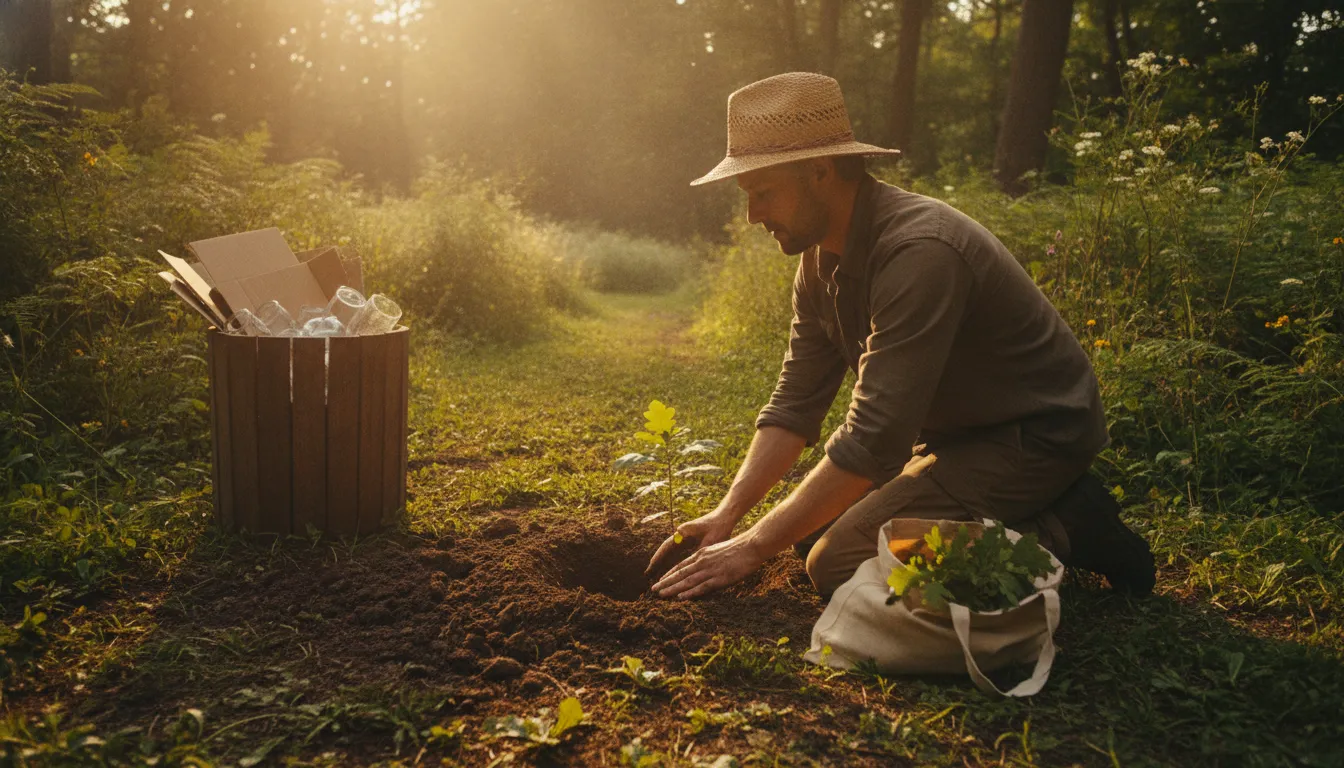
Preserving the environment in 2026 is not the exclusive task of governments, large companies, or full-time activists. It’s a shared responsibility — and every person who acts, even imperfectly, contributes to a system that urgently needs to change direction.
You don’t need to do everything at once. Choose one or two actions from this list and incorporate them into your routine over the next few weeks. Then, add another. This is the real and sustainable path to building habits that last.
The planet doesn’t need a few people doing everything perfectly — it needs many people doing what they can, consistently and consciously. You’re already on the right path just by reading this. Now it’s time to act.
