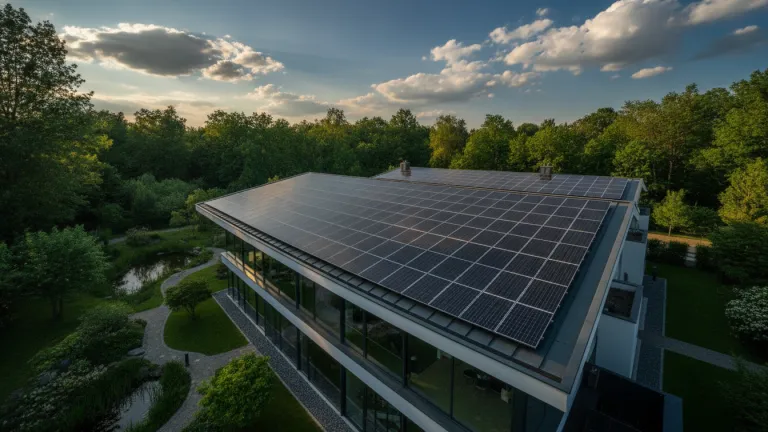
Solar Energy: Pros and Cons Before Installing
Brazil has one of the greatest solar energy generation potentials in the world. While European countries lead in installed capacity per capita, Brazilian territory receives high solar irradiation practically year-round — even in the South and Southeast regions, which are cloudier in winter. This geographic privilege makes photovoltaic energy one of the smartest choices for anyone wanting to reduce their electricity bill while decreasing their environmental impact.
In recent years, the Brazilian solar market has grown significantly. According to data from ANEEL and the Brazilian Photovoltaic Solar Energy Association (ABSOLAR), Brazil has surpassed the mark of tens of gigawatts of installed capacity, establishing itself among the largest solar markets in the world. In 2026, the sector continues to expand, driven by the continuous drop in equipment prices and increasingly accessible financing options.
But before calling an installer or signing any contract, it’s essential to understand what’s at stake. Solar energy has real and documented advantages — and also limitations that many people are unaware of. This article gathers what you need to know to make a conscious, safe decision that truly makes sense for your reality.
The Main Pros of Residential Solar Energy
Significant reduction in electricity bills
This is undoubtedly the most cited benefit — and rightfully so. A properly sized photovoltaic system can cover most or even all of a home’s consumption during the day. In the distributed generation with net metering model, credits generated by excess energy fed into the grid are deducted from future bills, as regulated by ANEEL through Law No. 14,300/2022, known as the Legal Framework for Distributed Microgeneration.
The investment payback period varies according to region, consumption, and system cost, but typically ranges from 4 to 7 years for residential installations in Brazil — with panel lifespan generally guaranteed by manufacturers for 25 years.
Extremely low carbon emissions during operation
During operation, solar panels emit no greenhouse gases. This means that every kilowatt-hour generated by your panel is a kilowatt-hour that didn’t come from a more polluting source. Considering that Brazil still uses coal, gas, and oil thermal power plants during peak demand, switching to solar has a real impact on emissions reduction.
To better understand how energy generation impacts the global climate, read our article on Greenhouse Effect: What It Is and How It Affects Climate.
Property value appreciation
Properties with installed solar systems tend to be more valued in the Brazilian real estate market. Industry research indicates that buyers perceive self-generation as a differentiator, especially in regions with higher electricity rates. Although appreciation percentages vary greatly by location and property type, the consensus among realtors and appraisers is positive.
Low maintenance costs
Photovoltaic systems have very few moving parts — practically none. Maintenance is limited, in most cases, to periodic panel cleaning (recommended every 6 months or according to the dust level in the region) and annual electrical inspection. Inverters, which convert DC to AC energy, have a shorter lifespan than panels (generally between 10 and 15 years) and are the component that typically requires replacement over time.
The Real Cons You Need to Know
High initial cost remains a barrier
Despite the significant drop in equipment prices over recent decades, installing a residential solar system still represents a considerable investment. In 2026, a small-scale system for a home with average consumption can cost significant amounts, varying according to the required power, equipment quality, region, and installation complexity.
Financing is available from banks like Caixa Econômica Federal and Banco do Brasil, as well as specific BNDES credit lines. But it’s necessary to carefully compare rates to ensure the financing doesn’t compromise the expected financial return.
Intermittent generation: the sun doesn’t always shine
Solar panels generate energy only during the day and with reduced efficiency on cloudy days. For those seeking complete independence from the electrical grid, the solution is to install storage batteries — which significantly increases system cost. For most grid-connected homes, however, the credit compensation model adequately addresses the intermittency issue.
Keep in mind: prolonged periods of low irradiation (such as winter in Southern Brazil) affect monthly generation. A good installer should present realistic simulations based on irradiation data from your city, not just the most favorable averages.
Environmental impact in panel manufacturing
This point deserves honesty. Solar panel manufacturing involves the extraction and processing of materials such as silicon, silver, aluminum, and, in some panel types, rarer elements. This process has an associated carbon footprint.
However, life cycle studies of photovoltaic systems show that, under Brazilian irradiation conditions, panels “pay back” the energy spent in their manufacturing within a few years of operation — a period called energy payback. After this point, generation is genuinely clean.
Disposal at end of life
With the accelerated growth of the sector, panel disposal at end of life is emerging as a challenge. In Brazil, regulations on reverse logistics for photovoltaic panels are still under development in 2026. It’s important to ask your supplier about disposal policies and choose companies that demonstrate commitment to proper equipment destination.
Who Really Benefits Most from Solar Energy?
Not every consumer profile gets the same return from solar energy. See who tends to benefit most:
- Property owners with their own roof, well-oriented (preferably facing north in Brazil) and without significant shading
- Consumers with high electricity bills, especially above R$ 400/month, as the financial return is proportionally greater
- Homes or businesses with high daytime consumption, which take advantage of generation when it occurs
- Residents in regions with high solar irradiation, such as the Northeast, Central-West, and much of the Southeast
- Those with capital to invest or access to financing with competitive rates
If you live in an apartment, the situation is different — but not impossible. Read more in our article Is Installing Solar Energy in an Apartment Worth It?
How to Evaluate If Solar Energy Makes Sense for You
Step by step to make an informed decision
- Analyze your energy bills from the last 12 months. Calculate your average monthly consumption in kWh. This is the basis for any simulation.
- Check the orientation and slope of your roof. North-facing roofs with slopes between 10° and 30° offer the best performance. Avoid areas shaded by trees, water tanks, or neighboring buildings.
- Research the solar irradiation in your city. The Brazilian Solar Energy Atlas, developed by INPE and publicly available, offers reliable data by municipality.
- Request quotes from at least 3 different installation companies. Compare not just the price, but also equipment quality, warranties offered, and installer certifications (such as CREA or CFT registration).
- Ask for realistic generation simulations, with monthly data and not just annual averages. Be wary of overly optimistic projections.
- Check financing conditions if you don’t have your own capital. Compare total financed cost with expected return.
- Consult your local energy distributor about procedures for grid connection and distributed generation. Each distributor has specific deadlines and requirements.
Technologies and Innovations Worth Watching in 2026
The solar sector evolves rapidly. Some trends that have already reached the Brazilian market:
- Bifacial panels, which capture light from the back side as well, increasing efficiency in certain installations
- Hybrid inverters, which integrate storage batteries into the system, expanding autonomy
- App monitoring, allowing real-time generation tracking via smartphone
- Solar tiles, still expensive, but integrating generation into the roof structure without the conventional visual appearance of panels
It’s also worth following advances in storage batteries, whose prices have been progressively falling. As storage becomes more accessible, solar energy becomes even more attractive for those seeking greater grid independence.
Checklist: Essential Questions When Hiring a Solar Company
Before signing any contract, make sure to get clear answers to these questions:
- What is the total system power and why was this sizing chosen?
- What are the brands and models of the panels and inverter?
- What warranties are offered by the manufacturer and the installation company?
- Who is responsible for regularization with the energy distributor?
- How does post-installation support work in case of failures?
- Does the company have registration and a qualified technical manager?
- Is there a disposal policy or reverse logistics for equipment at end of life?
Conclusion: Is It Worth It? With Planning, Yes
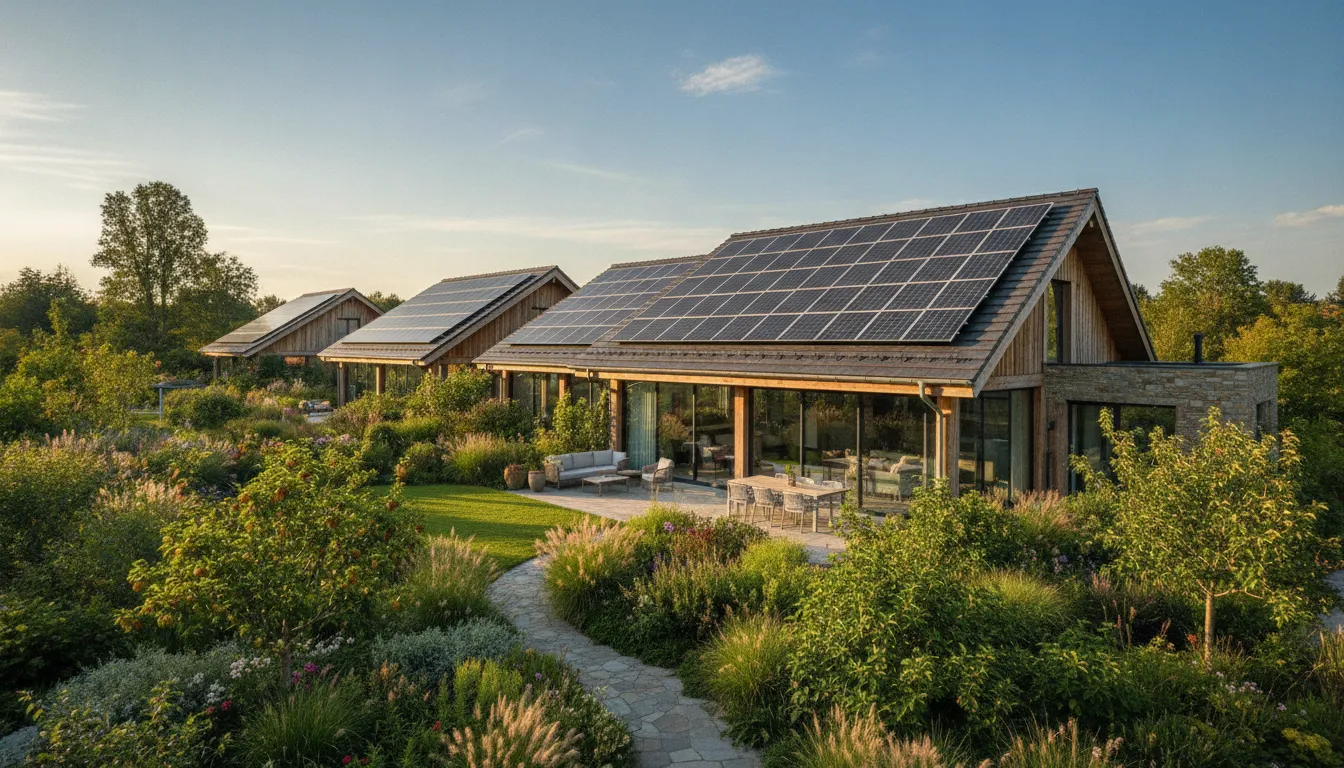
Solar energy is one of the smartest choices a property owner can make in 2026 — both from a financial and environmental standpoint. But, like any relevant decision, it requires research, comparison, and planning.
The pros are solid: progressive savings on electricity bills, extremely low emissions during operation, property appreciation, and simple maintenance. The cons exist and need to be seriously considered: high initial investment, intermittency, manufacturing impact, and still developing disposal regulations.
The good news is that the Brazilian market is mature enough to offer reliable and well-regulated options. With the right questions and correct simulations in hand, you can make a decision that benefits your wallet and the planet at the same time.
Take the first step: analyze your energy bill today, research your city’s irradiation, and request quotes. Every solar roof installed is a small collective step toward a cleaner and more resilient energy matrix for Brazil.
