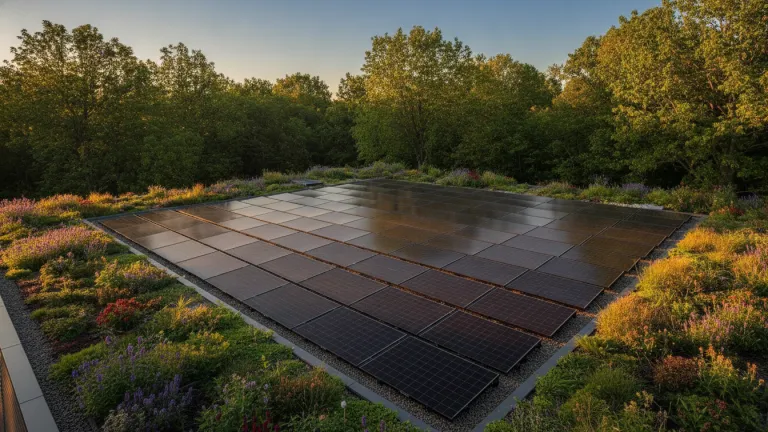
Is Home Solar Energy Worth It in 2026?
The electricity bill arrived and, once again, that number in the corner made your heart race. If you live in Brazil, this feeling is familiar: electricity rates keep squeezing family budgets, and the search for cheaper, more sustainable alternatives has never been more intense. Solar photovoltaic energy, which just a few years ago was still seen as a luxury or novelty, has become one of the most frequent conversations among neighbors, WhatsApp groups, and supermarket checkout lines.
The good news is that 2026 arrived with a very favorable scenario for those thinking about installing solar panels at home. The Brazilian solar energy market has grown significantly over the past few years, equipment costs continue on a historic downward trajectory, and the regulatory framework, with Law No. 14,300/2022 (known as the Distributed Microgeneration Legal Framework), is now consolidated. But is it really worth it for your wallet and for the planet?
In this article, we’ll explore the financial, technical, and environmental aspects of residential solar energy in 2026, with practical information to help you make the best decision. No magic promises, no made-up numbers — just what you really need to know.
What Changed in the Solar Market in 2026
The photovoltaic sector in Brazil has undergone a significant transformation over the past decade. According to historical data from ANEEL (National Electric Energy Agency) and ABSOLAR (Brazilian Solar Photovoltaic Energy Association), the country has accumulated an installed solar generation capacity that has placed it among the largest markets in the world in this segment. Growth was driven by both the commercial and industrial sectors as well as residential homes.
Some points that mark the current moment:
- Residential solar system costs have dropped dramatically over the past two decades on a global scale — a trend widely documented by the International Renewable Energy Agency (IRENA).
- The Microgeneration Legal Framework (Law 14,300/2022) guaranteed families the right to generate energy and inject the surplus into the electrical grid, receiving energy credits that offset the electricity bill.
- The number of residential installations in Brazil has grown rapidly, making specialized labor more accessible in various regions of the country.
- Specific financing for solar energy is available from public and private banks, including lines from BNDES and Banco do Brasil with differentiated conditions.
This set of factors has created an environment much more conducive for the average consumer than existed five or ten years ago.
How Residential Solar Energy Works
Before talking about numbers, it’s worth understanding the basics of the system so you know exactly what you’re buying.
The Main Components of a Solar System
A typical residential photovoltaic system consists of:
- Solar panels (photovoltaic modules): capture sunlight and convert it into direct electrical current.
- Inverter: transforms the direct current generated by the panels into alternating current, which is the standard used by household appliances.
- Mounting structure: support installed on the roof to position the panels at the correct tilt and orientation.
- Bidirectional meter: installed by the power utility, it measures both what you consume from the grid and what you inject into it.
- Wiring and electrical protection devices.
In the most common model in Brazilian homes — called a grid-connected system (on-grid) — you generate energy during the day, use what you need, and inject the surplus into the grid. At night or on cloudy days, you consume energy from the utility, but the credits accumulated during the day offset this difference on your bill.
How Much Does Installation Cost and What Is the Financial Return
Here’s the question everyone wants answered right away. The honest answer is: it depends on your consumption, your region, and the size of the system. But we can provide real parameters.
Average Cost of a Residential System
Investment in a residential solar system varies according to the size needed to cover the family’s consumption. Smaller systems, suitable for homes with moderate consumption, cost significantly less than larger systems. Although prices vary by region and supplier, the Brazilian market offers options across various investment ranges.
It’s important to request at least three quotes from INMETRO-certified companies before closing any deal. Prices vary considerably and so does equipment quality.
Investment Return Period (Payback)
The payback period varies according to:
- Your current electricity bill amount
- The electricity rate charged by your utility
- The solar irradiation in your region (Northern and Northeastern Brazil have excellent rates, but the South and Southeast are also quite favorable)
- The total cost of the installed system
Generally speaking, the Brazilian market has been recording payback periods that typically range between 4 and 8 years for well-sized residential systems — but this number needs to be calculated for your specific situation. After payback, energy generation represents real savings for many years, since modern panels have manufacturer-guaranteed lifespans typically between 25 and 30 years.
To better understand how your electricity bill can change after installation, read our article Energia Solar Reduz Sua Conta de Luz de Verdade.
The Real Environmental Benefits of Solar Energy
Beyond your wallet, there are solid reasons for wanting to generate your own clean energy. Solar photovoltaic generation does not emit greenhouse gases during operation, unlike fossil fuel sources. The IPCC (Intergovernmental Panel on Climate Change) highlights renewable energies as irreplaceable pillars for limiting global warming.
In the Brazilian context, there’s an important fact: the country’s electrical matrix is predominantly renewable (with strong hydroelectric participation). Nevertheless, solar expansion contributes to:
- Reducing dependence on fossil fuel thermal power plants, which are activated during drought periods or high demand.
- Decentralizing energy generation, making the electrical system more resilient.
- Decreasing transmission losses, since energy is generated close to where it’s consumed.
- Reducing CO₂ emissions over the system’s lifetime, even considering the energy spent manufacturing the panels.
Each system installed in a home represents a concrete contribution — small individually, but significant when multiplied by thousands of households.
Who Should (and Shouldn’t) Install Now
Solar energy isn’t for everyone at the same time. Here’s an honest analysis:
Favorable Profile for Installing in 2026
- You are the property owner (or have a guaranteed long-term contract).
- Your monthly electricity bill is significant enough to justify the investment.
- Your roof has good solar exposure and is in good structural condition.
- You have capacity for your own investment or access to financing with reasonable rates.
- You plan to stay in the property for at least a few years.
Situations That Require More Caution
- Roof with excessive shading from trees or neighboring buildings.
- Rented property with no prospect of permanence or agreement with the owner.
- Very low electricity bill, which would extend the payback period too much.
- Need for structural roof renovation before installation (increased cost).
Step by Step: How to Install Solar Energy at Home
If you’ve decided to move forward, follow this roadmap to avoid mistakes:
- Gather your consumption history: Collect the last 12 electricity bills to calculate the monthly average in kWh. This number is the basis for sizing the system.
- Research certified installers: Look for companies registered with INMETRO and associated with ABSOLAR or regional sector entities. Ask for references and visit completed installations if possible.
- Request at least three quotes: Compare not only the price but the quality of equipment, warranties offered, and installation timelines.
- Check your roof’s condition: Confirm that the structure supports the weight of the panels and that there are no broken tiles or leaks.
- Formalize the contract: Demand clear guarantees on equipment, labor, and delivery timeline. Note the manufacturers’ warranties for the panels and inverter.
- Request grid connection: After installation, the installer will file the connection request with the power utility to install the bidirectional meter. This process can take a few weeks.
- Monitor generation: Use the inverter app or monitoring systems to verify if the system is generating as expected.
Financing and Incentives: How to Reduce the Initial Investment
One of the biggest obstacles to installation is the initial cost. But there are ways to make it more accessible:
- Bank financing: Specific credit lines for solar energy are available from banks like Banco do Brasil, Caixa Econômica Federal, and private institutions. Compare rates and terms carefully.
- BNDES Finem and Finame: BNDES offers lines for renewable energy projects, including for individuals through accredited financial agents.
- Solar energy consortiums: A growing modality in the market, interest-free, but with a longer period for contemplation.
- Tax exemptions: At the federal level, solar modules and inverters are exempt from IPI. Some states offer ICMS exemption on energy injected into the grid — check your state’s legislation.
Conclusion: The Decision Is Worth It — with Planning
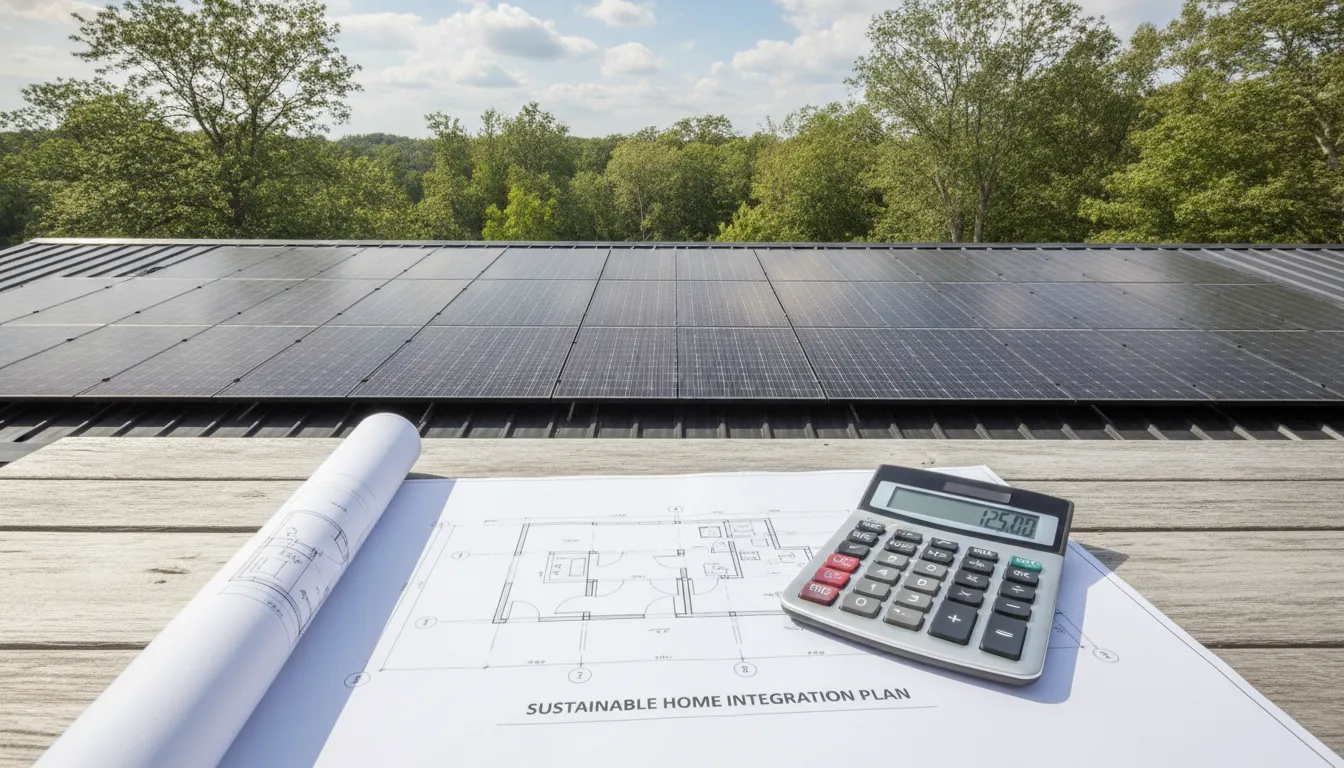
In 2026, residential solar energy in Brazil is more mature, more accessible, and more advantageous than ever. Costs have dropped, regulation is clear, and the market offers options for different consumer profiles and budgets. The question is no longer “if” solar energy will pay off — it’s “when and how” this transition makes sense for you.
The key is in planning: sizing correctly, choosing reliable suppliers, understanding your consumption, and calculating the return realistically for your situation. There’s no single number that works for everyone, but there is a clear methodology to arrive at the right answer.
If you’re still at the beginning of this journey, start with the basics: reduce waste at home, understand your consumption patterns, and research the market calmly. Every step counts — and your electricity bill (and the planet) will thank you.
Ready to take the next step? Share this article with someone who’s also thinking about solar energy, and explore other ways to make your home more sustainable here at Ajude o Planeta.
