Solar Energy: Advantages and Disadvantages You Need to Know
The sun shines brightly over Brazil — and this isn’t just a poetic figure of speech. We are one of the countries with the highest solar incidence on the planet, with average irradiation levels that surpass those of most European nations that have already adopted solar energy on a large scale. It’s no wonder that the Brazilian photovoltaic sector has grown significantly in recent years, transforming residential rooftops, farms, and large power plants into clean energy hubs. But is solar energy really worth it for you?
The honest answer is: it depends. And that’s exactly why this article exists. Instead of vague promises or exaggerated pessimism, we’ll explore the real advantages and disadvantages of solar energy based on concrete data, so you can make an informed decision — whether to install panels on your home or to better understand the role of this technology in the country’s energy future.
In the next few minutes, you’ll learn about the environmental and economic benefits, the challenges that still exist, and what to consider before taking the next step. Let’s go?
What Is Solar Energy and How Does It Work
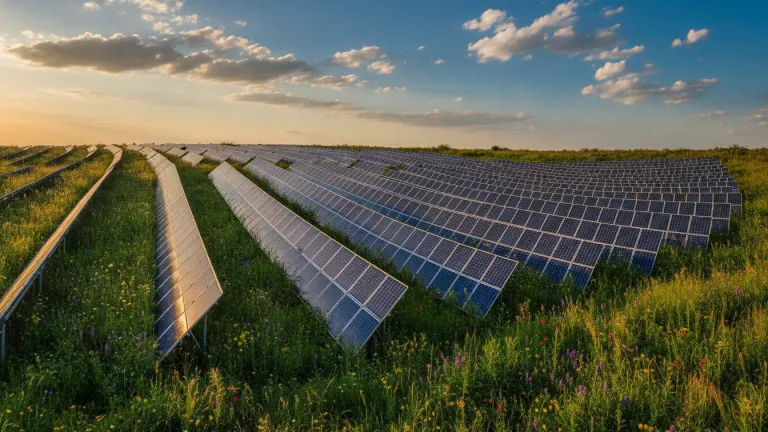
Photovoltaic solar energy converts sunlight directly into electricity through photovoltaic cells, usually made of silicon. These cells make up the solar panels you see on rooftops and power plants. When photons from sunlight hit the semiconductor material, they release electrons, generating a direct electrical current — which is then converted into alternating current by a device called an inverter, making it usable for common household appliances.
There is also solar thermal energy, which heats water through solar collectors, very common in showers and residential heating systems. Although they are distinct technologies, both harness the same inexhaustible resource: solar radiation.
In Brazil, the National Electric Energy Agency (ANEEL) regulates the distributed generation sector, which includes residential and commercial solar systems. Brazilian legislation allows consumers to inject surplus energy into the grid and receive credits on their electricity bill — a model known as net metering or energy compensation.
Advantages of Solar Energy: Why More and More Brazilians Are Adopting It
Significant Reduction in Energy Bills
Savings on the electricity bill is, for most people, the most immediate motivation. With a well-sized photovoltaic system, it’s possible to considerably reduce the amount paid to the utility company. In many cases, consumers report savings exceeding 80% on their electricity bill, especially in regions with high solar irradiation, such as Brazil’s Northeast and Central-West.
The return on investment (payback) for a residential system varies depending on the region, system size, and local rates. Generally, the Brazilian market practices payback periods that typically range from 4 to 8 years — and the panels have a manufacturer-guaranteed lifespan of 25 to 30 years, meaning years of virtually free energy after the investment is paid off.
Clean and Renewable Energy Source
From an environmental standpoint, solar energy represents one of the cleanest alternatives available. During the operation phase, photovoltaic panels emit no greenhouse gases — which directly contributes to reducing emissions that worsen global warming. If you want to better understand how these emissions affect the climate, it’s worth reading about the Greenhouse Effect and how it heats the planet.
The sun is an inexhaustible source on the human scale: it’s estimated that the star will still radiate energy for billions of years. This contrasts radically with fossil fuels, whose reserves are finite and whose intensive use compromises the planet’s climate stability.
Property Value Appreciation
Properties with solar generation systems tend to be more valued in the real estate market. The logic is simple: a buyer sees a solar roof as guaranteed future savings and already-installed infrastructure. Although appreciation percentages vary greatly by region and property type, the benefit is widely recognized by industry professionals.
Low Maintenance and Durability
Photovoltaic systems have very few moving parts, which makes them extremely durable and low maintenance. The main recommendation is periodic cleaning of the panels — especially in regions with a lot of dust or soot — and annual inspection of the inverter. Nothing that requires major costs or efforts.
Energy Autonomy and Protection Against Rate Increases
With a solar system, you become partially — or totally — independent from the electrical grid. This means greater protection against frequent electricity rate adjustments, which historically grow above inflation in Brazil. It’s a way to lock in part of your energy cost for decades.
Disadvantages of Solar Energy: What Nobody Usually Tells You
Initial Installation Cost Is Still High
Despite having dropped significantly in recent decades, the initial investment to install a residential photovoltaic system still represents a real obstacle for many Brazilian families. The value varies depending on the system size, equipment quality, and region, but small to medium-sized residential systems can require a considerable outlay — which excludes a significant portion of the low-income population.
There are specific financing lines, such as those offered by Caixa Econômica Federal and BNDES, as well as state programs. But bureaucracy and interest rates still make access difficult for many.
Dependence on Weather Conditions
Solar panels need sunlight to function — which may seem obvious, but has important practical implications. On very cloudy or rainy days, generation drops substantially. At night, generation is zero. Therefore, systems without storage batteries depend on the electrical grid to meet demand outside sunny hours.
Regions with greater cloudiness throughout the year — such as parts of Southern Brazil — may have lower average generation than sunnier regions, which affects the economic viability of the project.
Panel Disposal: A Growing Challenge
Here lies one of the most serious and least discussed environmental issues in the solar sector. Photovoltaic panels have a lifespan of 25 to 30 years — which means that in the coming years, increasing quantities of panels will begin reaching the end of their useful life worldwide. Improper disposal can release materials such as lead, cadmium, and other potentially toxic compounds.
In Brazil, regulations for panel disposal and recycling are still being developed. This topic directly connects to the importance of knowing good practices for battery and electronics disposal, as the logic of responsibility for equipment end-of-life is the same.
Physical Space and Structural Restrictions
Not every roof is suitable for receiving solar panels. Roofs with constant shading from trees or other buildings, unfavorable orientation, compromised structure, or incompatible materials (such as some asbestos tiles) can make installation unfeasible or much more expensive. Apartments in condominiums also face regulatory restrictions and need collective approval for shared generation projects.
Quick Comparison: Pros and Cons Summary
| Criteria | Advantage | Disadvantage |
|---|---|---|
| Financial savings | Significant reduction in electricity bill | High initial investment |
| Environment | Zero emissions during operation | Panel disposal still a challenge |
| Availability | Abundant sun in Brazil | Zero generation at night; drops on cloudy days |
| Maintenance | Low and simple | Inverter requires periodic attention |
| Autonomy | Protection against rate increases | Grid dependence without battery |
| Property | Asset appreciation | Structural and condominium restrictions |
What to Consider Before Installing Solar Panels
If you’re thinking about taking the next step, here’s a practical guide to avoid mistakes:
- Assess your current consumption — Gather the last 12 electricity bills and calculate the monthly average consumption in kWh. This data is essential for properly sizing the system.
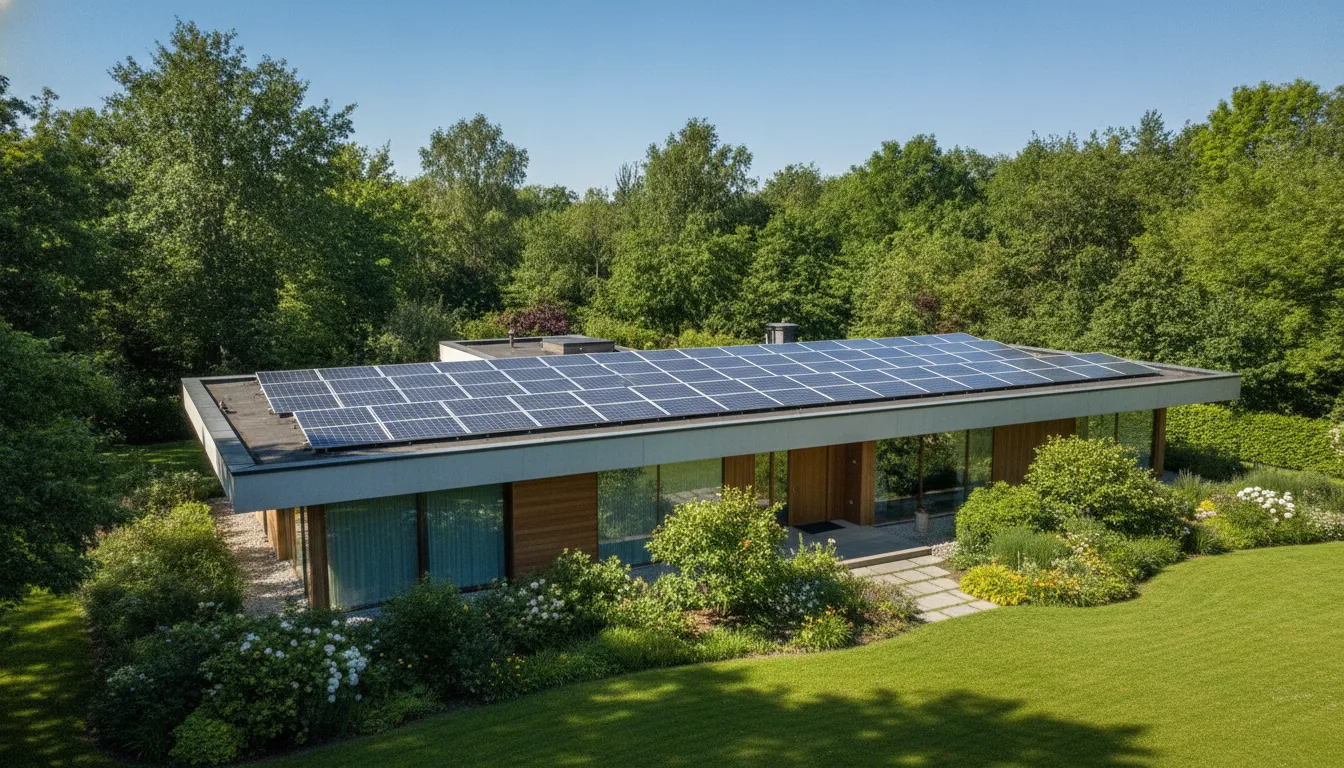
- Analyze your roof — Check the orientation (ideally facing north in Brazil), the slope, the available area, and the structural condition of the roof. If necessary, hire a civil engineer for evaluation.
- Research certified installers — Look for companies with professionals certified by SENAI or certified under the NBR 16690 ABNT standard. Get at least three quotes and compare not only the price but also the equipment quality and warranty period.
- Check financing options — Consult the bank where you already have an account and compare with specific lines from Caixa and BNDES. Calculate the total cost with interest and compare it with the projected savings.
- Understand your utility’s rules — Grid connection and energy compensation systems have deadlines and technical requirements that vary by utility. Find out before signing any contract.
- Think long-term — Ask the supplier about proper panel disposal at the end of their useful life and whether the company has a reverse logistics program or partnership with recyclers.
- Consider storage — Batteries still significantly increase system costs, but they increase autonomy. Evaluate whether it makes sense for your consumption profile or for your region.
Solar Energy in Brazil: A Current Overview
Brazil has established itself as one of the largest solar energy markets in the world. The country has one of the most renewable electrical matrices among major economies, and solar generation — both distributed and in large power plants — plays an increasing role in this scenario. ANEEL and the regulatory sector continue to improve rules to facilitate consumer and small producer access to the energy market.
From a climate perspective, diversifying the energy matrix with renewable sources like solar is essential to fulfill Brazil’s commitments under the Paris Agreement. The energy transition is not just an environmental agenda — it’s also a real economic opportunity, with job creation and technological development.
Conclusion: Is Solar Energy Right for You?
Solar energy is not a perfect solution — none is. But for those with the right conditions, it represents one of the smartest financial and environmental decisions a citizen or company can make today. The advantages are concrete and measurable; the disadvantages are real but manageable with planning.
The first step doesn’t need to be giant. You can start by requesting a free simulation from a certified installer, consulting ANEEL’s website to understand your utility’s rules, or simply deepening your knowledge on the topic — including reading our complete article on whether solar energy is worth it.
The transition to cleaner energy happens one decision at a time. And yours can be today.
