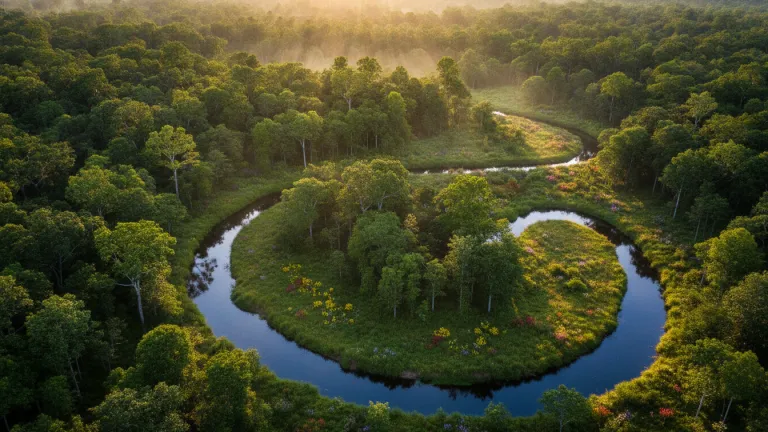
Imagine waking up in 2050 to find that global temperatures have stabilized, coastal cities remain as we know them, and extreme weather events, while not extinct, have stopped intensifying year after year. This scenario is not fantasy — it is exactly what scientists describe as possible if the world achieves carbon neutrality by the middle of this century. But what does this mean, after all?
Carbon neutrality — also known as “net zero” or “zero carbon” — is the balance point where the amount of greenhouse gases released into the atmosphere equals the amount removed from it. In other words, it is not about emitting zero, but about offsetting everything that is still emitted through natural sinks, like forests, or capture technologies. Simple to explain, challenging to execute.
In 2026, this concept moved beyond just climate conference discussions and became a part of the daily lives of companies, governments, and citizens. Understanding what is at stake — and what each of us can do — is the first step to contributing to this transformation.
What Is Carbon Neutrality: Concept and Definition
Carbon neutrality occurs when the net emissions of carbon dioxide (CO₂) and other greenhouse gases reach zero. The term “net” is the key word here: it means that existing residual emissions are offset by equivalent removals from the atmosphere.
These gases mainly include:
- CO₂ (carbon dioxide), generated by burning fossil fuels and deforestation
- CH₄ (methane), emitted by livestock activities, landfills, and natural gas extraction
- N₂O (nitrous oxide), from agricultural fertilizers
- HFCs and other industrial gases, used in refrigeration and manufacturing
For comparison, methane has a global warming potential about 80 times greater than CO₂ over a 20-year period, according to IPCC (Intergovernmental Panel on Climate Change) data. Therefore, carbon neutrality cannot focus solely on CO₂ — it needs to encompass the so-called “CO₂ equivalent” (CO₂e), which converts all gases into a comparable unit.
It is important not to confuse carbon neutrality with carbon negative (when more is removed than emitted, actively cooling the climate) or with decarbonization (structural and permanent reduction of emissions at the source). Ideally, the path involves all three: reduce first, offset the rest, and in the future, become negative.
Why Carbon Neutrality Matters: The Science Behind the Urgency
The Paris Agreement, signed in 2015 and reaffirmed in various subsequent COPs, set the goal of limiting global warming to 1.5°C above pre-industrial levels — and at most, to 2°C. The IPCC is categorical: to have a reasonable chance of staying below 1.5°C, global net CO₂ emissions need to reach zero by around 2050.
What happens if we don’t get there? The impacts already observed provide a clue:
- Extreme weather events — heatwaves, floods, droughts — become more frequent and intense
- Sea levels continue to rise, threatening coastal populations
- Biodiversity suffers accelerated losses, impacting entire food chains
- The water and food security of billions of people is compromised
In Brazil, the topic is especially sensitive. The country is home to the largest tropical forest in the world — the Amazon — which acts as one of the planet’s largest carbon sinks. At the same time, deforestation and fires make land use change one of the main sources of Brazilian emissions, according to data from the Greenhouse Gas Emissions and Removals Estimates System (SEEG), maintained by the Climate Observatory.
How Carbon Neutrality Is Measured and Certified
Achieving — and especially proving — carbon neutrality requires rigorous methodology. The process generally follows these steps:
- Emissions inventory: mapping all emission sources of a company, city, or country, divided into scopes (Scope 1: direct emissions; Scope 2: purchased energy; Scope 3: value chain)
- Source emission reduction: implementing energy efficiency, replacing fossil fuels with renewables, changing production processes
- Offsetting residual emissions: through certified carbon credits, such as reforestation projects, renewable energy, or carbon capture
- Independent verification: third-party audit to validate the data
- Declaration and maintenance: neutrality needs to be renewed, as emissions continue to occur
International standards such as ISO 14064 and initiatives like the Science Based Targets initiative (SBTi) provide the most recognized frameworks. In Brazil, the Brazilian GHG Protocol Program supports companies in this accounting process.
An important warning: the carbon credit market has faced criticism for lack of transparency and cases of “greenwashing” — when companies declare neutrality without actually reducing their emissions. Therefore, experts emphasize that offsetting should come after reduction, never in place of it.
Carbon Neutrality in Brazil: Commitments and Challenges
Brazil presented its updated climate targets to the UN, which include the commitment to achieve climate neutrality by 2050. Among the intermediate targets, the country committed to zero illegal deforestation in the Amazon.
The Brazilian electricity sector has a significant structural advantage: the national electricity matrix is predominantly renewable, with emphasis on hydroelectric, wind, and solar energy, according to data from ANEEL (National Electric Energy Agency). This puts Brazil in a favorable position compared to countries heavily dependent on coal or gas for electricity generation.
On the other hand, the challenges are significant:
- Deforestation and land use still represent a significant portion of national emissions
- Agriculture, a crucial sector for the Brazilian economy, is a relevant source of methane and nitrous oxide
- Road transport with high dependence on fossil fuels
- Steel and cement, industries difficult to decarbonize
The transition to a low-carbon economy in Brazil requires robust public policies, international climate financing, and private sector engagement — but it also depends on individual and collective choices by the population.
The Role of Companies and Cities in the Race to Net Zero
By 2026, over 9,000 companies worldwide had joined the UN’s Race to Zero initiative, committing to science-based targets to achieve net zero. In Brazil, several large companies — especially in the financial, retail, and technology sectors — have announced public climate targets.
Cities are also on the front line. Brazilian municipalities like São Paulo and Curitiba have implemented emissions inventory programs and climate action plans. The C40 Cities, a global network of cities committed to climate action, includes Brazilian members who share best practices and ambitious goals.
For companies, the advantages of pursuing carbon neutrality go beyond the environmental aspect:
- Access to green financing and ESG (Environmental, Social, and Governance) investors
- Cost reduction through energy efficiency
- Consumer preference for increasingly conscious buyers
- Anticipated regulatory compliance, as climate legislation becomes stricter
- Resilience against physical and transition risks associated with climate change
What You Can Do: Practical Actions to Contribute to Net Zero
Carbon neutrality is not solely the responsibility of governments and corporations. Each person has a carbon footprint — the amount of greenhouse gases generated by their daily choices — and can act to reduce it. If you want to understand this concept better, the article Understanding Carbon Footprint: What It Is and How to Reduce Yours is a great starting point.
Here are concrete actions you can start today:
- Transportation: prefer walking, cycling, public transport, or electric vehicles; reduce air travel when possible
- Diet: reduce beef and dairy consumption; increase plant-based and locally produced foods
- Home energy: use LED bulbs, efficient appliances, and consider solar panels if possible; avoid unnecessary standby
- Conscious consumption: buy less and better; choose durable, repairable products from companies with verifiable climate commitments
- Proper disposal: separate waste for recycling; compost organic waste
- Collective pressure: support climate policies, vote for candidates with environmental agendas, and engage your community and workplace
- Responsible offsetting: if you want to offset residual emissions, choose certified and transparent projects — but remember: offsetting does not replace reducing
Another practical way to contribute is by growing food at home. Besides reducing emissions from food transport, a home garden connects you with natural cycles. See how to start in Horta em Apartamento: Como Montar a Sua em Casa.
Conclusion: Carbon Neutrality Is Possible — and It Starts Now

Carbon neutrality is not a distant destination reserved for wealthy countries or large corporations. It is a direction that individuals, communities, cities, and nations need to follow together, each at their own pace, but with real urgency.
The science is clear about the risks of not acting. But it is also clear about something encouraging: we still have a window to make a difference. The choices made today — in public policies, business strategies, and daily habits — will determine the climate that future generations will inherit.
You don’t need to be perfect. You need to start. Evaluate your carbon footprint, identify the biggest sources of emissions in your life, and take a concrete step this week. Share what you’ve learned, talk to those around you, and demand this commitment to the future from the companies and politicians that represent you.
The planet doesn’t need a few doing everything perfectly. It needs many doing what they can — consistently, intentionally, and with the awareness that every action matters.
