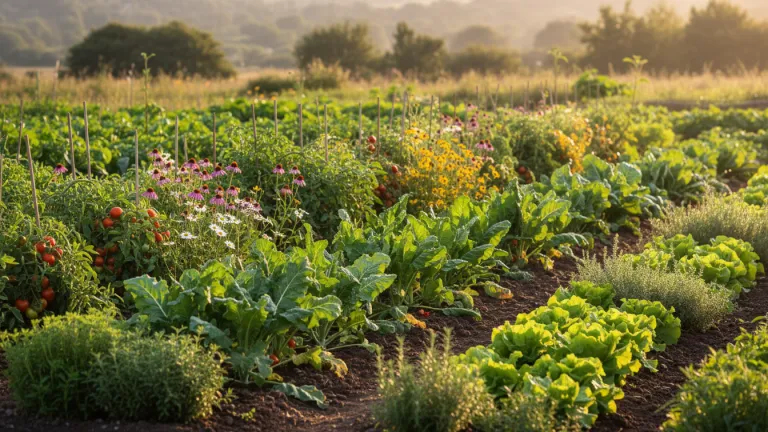
What You Eat Impacts the Planet — And It Matters a Lot
Every meal we put on our plate carries a story that goes far beyond the kitchen. Behind a steak, a salad, or a package of ultra-processed cookies lies a chain of agricultural decisions, land use, water consumption, gas emissions, and transportation that, multiplied billions of times a day worldwide, profoundly shape the state of our climate and ecosystems.
The global food system is one of the biggest drivers of the environmental pressures we face today. According to the Intergovernmental Panel on Climate Change (IPCC), food production — including agriculture, livestock, land use, and waste — accounts for about 21% to 37% of global greenhouse gas emissions when the entire chain is considered. This figure places food at the center of the climate debate, alongside fossil fuels and deforestation.
The good news is that this same force can be used to our advantage. The way we eat is one of the individual choices with the greatest potential for positive environmental impact — and it’s a change that can start today, the next time you open the fridge or go to the market. Understanding what a sustainable diet is and why it matters is the first step.
What Exactly Is a Sustainable Diet?
The concept of a sustainable diet was defined by the United Nations Food and Agriculture Organization (FAO) as a dietary pattern that simultaneously promotes human health and has a low environmental impact, is culturally acceptable, economically accessible, and nutritionally adequate.
This definition is important because it avoids two equally problematic extremes: romanticizing local diets without questioning their composition, and imposing a single, decontextualized model for all cultures worldwide. A sustainable diet in Brazil may have different characteristics from a sustainable diet in Japan or Ethiopia — but both share common principles.
The Core Principles of Sustainable Eating
In practice, a sustainable diet tends to:
- Be rich in plant-based foods — grains, legumes, fruits, vegetables, nuts, and tubers
- Reduce (not necessarily eliminate) animal protein consumption, especially beef and lamb, which have a much higher carbon footprint than chicken, fish, and eggs
- Prioritize minimally processed foods over ultra-processed ones, which concentrate agricultural resources into low-nutritional-value products
- Value local and seasonal production, reducing transportation impact and supporting regional farmers
- Combat food waste, as discarded food represents emissions “spent in vain”
- Respect agricultural biodiversity, avoiding excessive reliance on monocultures
None of these principles require perfection or an overnight radical transformation. Food sustainability is a direction, not a fixed destination.
Why Livestock Draws So Much Attention in This Debate
When discussing a sustainable diet, livestock inevitably comes into play — and for good reasons. Cattle farming is one of the most environmentally impactful activities within the food system, due to a combination of factors: methane emissions from bovine enteric fermentation, deforestation for pasture creation, and soy cultivation for feed, high water consumption, and extensive land use.
In Brazil, the context is even more relevant: the country is one of the largest producers and exporters of beef in the world, and the deforestation of the Amazon and Cerrado is historically associated with the expansion of livestock. According to data from the National Institute for Space Research (INPE), the Cerrado — a biome that houses river sources supplying much of the country — has suffered accelerated native vegetation loss in recent decades.
This doesn’t mean that consuming meat is automatically irresponsible. It means that the quantity, frequency, and origin of the meat matter greatly. Reducing beef consumption from five to two days a week, for example, already represents a significant reduction in an individual’s carbon footprint — without requiring anyone to completely abandon their food culture.
The Waste Problem: Eating Better Also Means Wasting Less
There’s a dimension of food sustainability that often goes unnoticed: food waste. According to FAO estimates, approximately one-third of all food produced in the world for human consumption is lost or wasted along the production chain — from harvest to the consumer’s plate.
In Brazil, waste occurs at all stages: in production (losses during harvest and transport), retail (products discarded for aesthetic standards), and especially in households. Wasted food represents greenhouse gas emissions generated without any nutritional benefit — an environmental and economic inefficiency at the same time.
Practical Strategies to Reduce Waste at Home
- Plan meals for the week before going to the market — buy what you will actually use
- Organize the fridge by the FIFO principle (first in, first out): place older foods at the front
- Learn to use stems, peels, and leaves of vegetables that usually go to waste
- Freeze what you won’t consume soon — bread, ripe fruits, meats, and leftover preparations
- Understand the difference between “best before” and “expiration date” — many foods are still safe after the printed date, especially when well stored
- Compost inevitable organic waste, turning it into fertilizer instead of methane in the landfill
Sustainable Diet and Health: A Two-Way Street
One of the most exciting things about a sustainable diet is that it generally aligns with what health professionals recommend for human well-being. It’s no coincidence: foods with the lowest environmental impact — vegetables, legumes, fruits, whole grains — are also the most associated with preventing chronic diseases like type 2 diabetes, cardiovascular diseases, and certain types of cancer.
The Food Guide for the Brazilian Population, published by the Ministry of Health, already guides in this direction by valuing natural and minimally processed foods, commensality, and culinary traditions. The guide’s basic recommendation — “always prefer natural or minimally processed foods and culinary preparations over ultra-processed foods” — is both a health and an environmental recommendation.
This means that adopting a more sustainable diet is not a sacrifice: it is, in many cases, a simultaneous improvement in quality of life and relationship with the environment.
How to Start Practically: An Accessible Step-by-Step
You don’t need to become vegan tomorrow or give up all your favorite foods. The transition to a more sustainable diet can (and should) be gradual, enjoyable, and adapted to your reality.
- Start with Meatless Monday — the “Meatless Monday” movement is simple, requires no complex planning, and already creates a habit of reflecting on what’s on the plate
- Substitute one beef meal with chicken, fish, or eggs per week — the environmental impact of these proteins is considerably lower
- Try a new legume each month — beans, lentils, chickpeas, and peas are nutritious, affordable plant proteins with a very low environmental footprint
- Shop at local farmers’ markets whenever possible — you support family farming, reduce plastic packaging, and often pay less
- Read the labels of ultra-processed foods — when you notice the ingredient list, you naturally start preferring simpler alternatives
- Reduce consumption of individually packaged beverages — plastic bottles and cans have significant environmental impact in production and disposal
- Grow a small garden at home, even if small — herbs in pots in the apartment already reduce waste and create a connection with food
For a broader view on how to integrate these choices into other aspects of your routine, check out the article Sustainable Living in Daily Life: Where to Start, which provides a practical overview of habit changes with real impact.
The Brazilian Context: Unique Challenges and Opportunities
Brazil occupies a unique position in this debate. On one hand, the country has one of the most productive agricultures in the world and a rich food biodiversity — fruits like açaí, cashew, buriti, and pequi are nutritious, culturally rooted foods with much more sustainable cultivation potential than many export crops.
On the other hand, the country faces serious challenges: the advance of deforestation associated with agriculture, the loss of traditional agricultural varieties, the increase in ultra-processed food consumption in urban peripheries, and the difficulty of accessing fresh and healthy food for low-income populations.
The Embrapa (Brazilian Agricultural Research Corporation) has developed important research on more efficient and sustainable agricultural systems, including crop-livestock-forest integration (ILPF), which allows production with less pressure on new areas. The challenge is to scale these solutions and make them economically viable for small and medium producers.
As consumers, we can support this process with our choices: value products with sustainable origin seals, buy from family farming, and pressure — through consumption and civic participation — for a fairer and less destructive food system.
Conclusion: Your Plate, Your Vote for the Planet’s Future
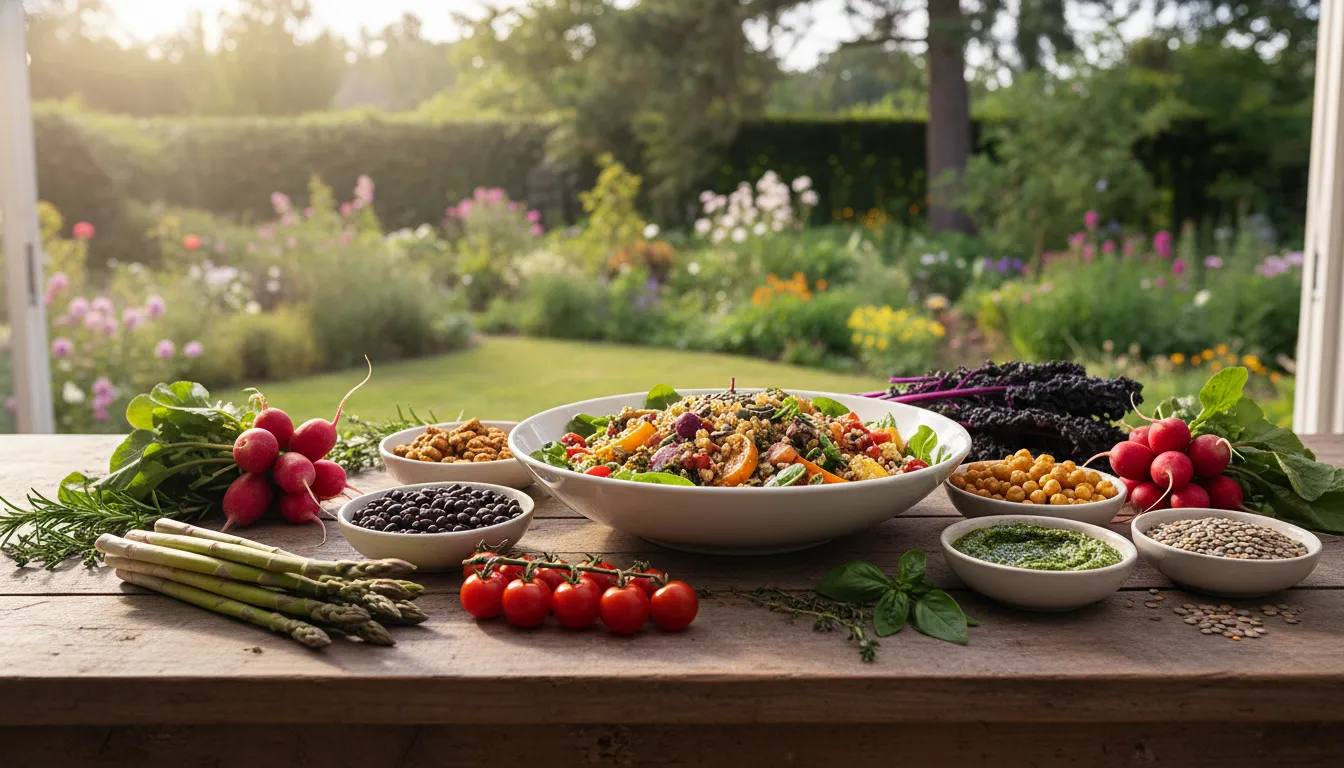
A sustainable diet is not a passing trend nor a privilege for those who can afford more expensive imported organic products. It is, fundamentally, a way to reconnect the act of eating with the world that sustains us — and to recognize that every food choice is also a political and environmental choice.
The necessary transformations in the global food system are profound and require structural changes that go far beyond the individual. But this does not diminish the power of everyday choices: when millions of people make small changes in the same direction, the collective effect is real, measurable, and capable of moving markets, guiding policies, and inspiring others around.
You don’t need to be perfect. You just need to start — and continue. Try a new legume recipe this week. Plan your shopping to waste less. Visit a local market on the weekend. Every step counts, and the journey can be much more delicious than it seems.
