Is an Electric Car Worth It in Brazil by 2026?
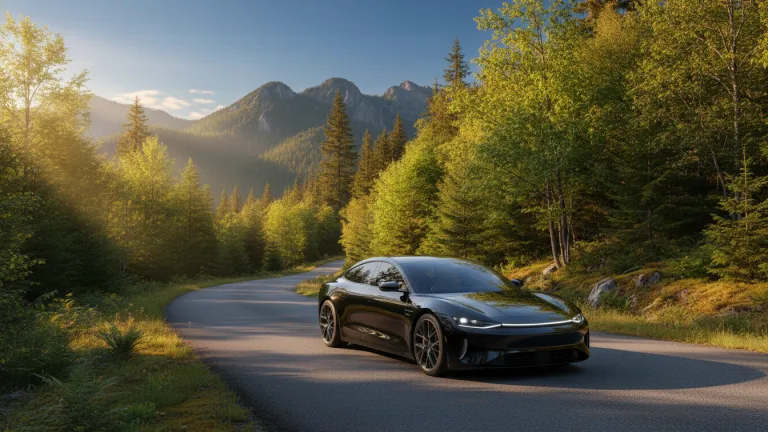
The scene is becoming increasingly common in major Brazilian cities: a silent car stops at the traffic light, with no exhaust in sight, and no roar of a combustion engine. Electric vehicles are no longer a niche novelty and have started to occupy real space in traffic, dealerships, and, most importantly, in the conversations of those considering buying a new car. But in practice, is an electric car worth it for Brazilian consumers in 2026?
The honest answer is: it depends — but for many, yes. The Brazilian electric vehicle market has undergone significant transformation in recent years. New models have arrived with more competitive prices, the charging infrastructure has expanded, and tax policies have been adjusted. At the same time, real challenges still exist: the entry price is still higher than combustion equivalents, the charging network outside major centers is still limited, and the specifics of Brazil’s electric grid create nuances that deserve attention.
In this article, we will objectively analyze the pros and cons with concrete data and without exaggerated romanticism, so you can make an informed decision about whether an electric car makes sense for your budget, lifestyle, and the planet.
The Real Cost of an Electric Car: Purchase Price vs. Total Cost of Ownership
One of the biggest obstacles still cited by consumers is the purchase price. In 2026, popular electric cars in Brazil start at values ranging from R$ 120,000 to R$ 180,000 for entry-level models, while combustion vehicles in a similar segment can cost significantly less. But the purchase price is only part of the equation.
The concept that really matters is the total cost of ownership (TCO), which includes:
- Fuel cost (electricity vs. gasoline/ethanol)
- Preventive and corrective maintenance
- Insurance
- IPVA and other taxes
- Depreciation over the years
In terms of energy, Brazil has a relevant competitive advantage. The average residential electricity tariff in the country, although it has undergone adjustments in recent years according to ANEEL data, still makes the cost per kilometer driven in an electric car considerably lower than in a gasoline vehicle, especially in regions with lower residential tariffs and for those with access to overnight charging.
In maintenance, electric cars have a clear advantage: no oil changes, oil filters, timing belts, spark plugs, or clutches, making services less frequent and cheaper. Manufacturers and specialized mechanics confirm that maintenance costs over 5 to 10 years tend to be significantly lower than conventional vehicles, although specialized labor is still more expensive in smaller cities.
The Brazilian Electric Grid: A Real Environmental Advantage
Here, Brazil has a powerful differential that few countries possess. The Brazilian electric grid is predominantly renewable, with a large share of hydroelectric power, complemented by growing wind and solar sources, according to data from the National Electric System Operator (ONS) and the Ministry of Mines and Energy.
This means that charging an electric vehicle in Brazil results in a much lower carbon footprint per kilometer than in countries that heavily depend on coal or natural gas for electricity generation. In nations like Poland or India, where coal still dominates generation, the environmental gains of electric vehicles are much more modest. In Brazil, the climate benefit is substantial.
For those concerned with sustainability — and if you read the Help the Planet blog, you probably are — this is a powerful argument. Every kilometer driven in an electric vehicle in Brazil takes advantage of an energy structure that the world envies.
However, it is worth remembering that the vehicle’s complete life cycle matters: the manufacturing of lithium, cobalt, and other mineral batteries has a significant environmental impact, including mining issues. The automotive industry is working on solutions such as batteries with less cobalt use and more efficient recycling, but it is honest to recognize that electric vehicles are not perfect — they are generally better, not zero impact.
Charging Infrastructure in Brazil by 2026: Where Do We Stand?
The charging network is often cited as the main point of attention for those considering purchasing an electric vehicle. By 2026, the landscape has improved considerably compared to a few years ago, but it is still uneven.
In capitals and metropolitan regions, the infrastructure has grown significantly. Shopping centers, supermarkets, corporate parking lots, and gas stations have started to offer chargers more frequently. Fast charging networks (in direct current) with capacities that allow significant charges in tens of minutes are more present in the main road corridors between large cities.
Outside urban centers, the scenario still requires planning. Long trips to remote interior, North, or Northeast regions still demand prior research on the location of available charging points. Apps and platforms dedicated to mapping chargers have made this task simpler, but the gap exists and is real.
Practical Tips for Traveling with an Electric Car
- Plan the route in advance using apps that map charging points along the way.
- Consider charging upon arrival at the destination, not just during the trip — hotels with chargers are becoming more common.
- Know your vehicle’s connector types (CCS2, CHAdeMO, Type 2) to know which chargers are compatible.
- Keep the battery between 20% and 80% most of the time to preserve cell longevity.
- Use overnight charging at home as the main habit — it’s the cheapest and most convenient mode for urban daily life.
Tax Incentives and Public Policies: What Exists in 2026
The regulatory environment for electric vehicles in Brazil has undergone important changes. At the federal level, incentive programs and IPI reductions for electrified vehicles have been debated and implemented in different formats over the past few years. Some states, such as São Paulo and Minas Gerais, have adopted IPVA exemptions or reductions for electric vehicles as a policy to encourage cleaner mobility.
Attention: rules vary by state and can change frequently. Before buying, check your state’s legislation on IPVA and any additional benefits, such as exemption from municipal rotation in cities that apply this restriction.
Another relevant point is the exemption or reduction of toll fees with preferential lanes in some locations, as well as facilities in public parking lots in certain cities. These benefits, although not universal, can represent real savings in everyday use.
For Whom an Electric Car Makes More Sense: An Objective Guide
Not every user profile benefits equally from an electric car. Here’s an honest analysis:
An electric car tends to be more worthwhile for those who:
- Live in a big city with good charging infrastructure
- Have a garage or own parking space to install a home charger
- Drive many kilometers per month (financial return comes faster)
- Use the car mainly for urban and regional commuting
- Prioritize long-term cost over initial outlay
- Have genuine concern for emissions and urban air quality
An electric car may not be the best choice for those who:
- Live in an apartment without charging infrastructure and no accessible chargers nearby
- Frequently take long trips to remote regions with limited infrastructure
- Have a restricted budget for the initial investment and cannot secure favorable financing
- Use the vehicle only occasionally (financial return takes longer)
This analysis is not meant to discourage but to help make a realistic decision. An electric car bought on impulse, without considering the usage profile, can be disappointing — just like any other high-value purchase made without planning.
Sustainability Beyond the Engine: The Role of the Conscious Consumer
Choosing an electric car is a powerful decision, but sustainability goes beyond the type of engine. The conscious consumer also thinks about how they use the vehicle, alternatives like public transportation, bike lanes, and shared mobility, and how their choices connect to a larger system.
Conclusion: Is It Worth It? Yes — with Awareness and Planning
In 2026, the answer to “is an electric car worth it in Brazil?” is, for a growing portion of the population, yes — provided the decision is based on the real usage profile, local infrastructure conditions, and an honest analysis of the total cost, not just the sticker price.
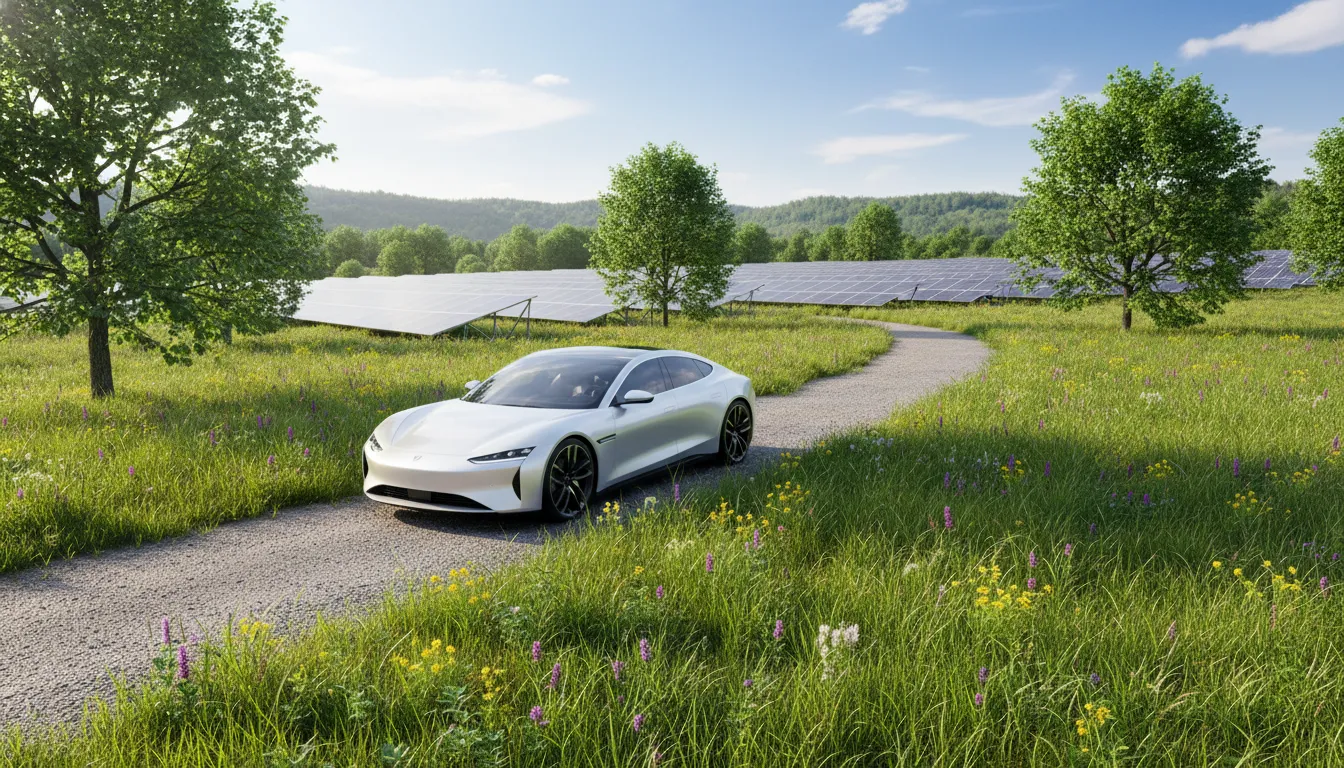
Brazil has one of the cleanest electric grids in the world, which amplifies the positive environmental impact of electric cars in a way that few countries can replicate. The operational cost is lower, maintenance is simpler, and the driving experience — quiet, responsive, without gas station stops — pleases the vast majority who try it.
If you are considering this transition, start with an honest analysis of your usage profile: how many kilometers you drive per month, where you park, where you travel. Simulate total costs, research your state’s incentives, and test a model before deciding.
The path to cleaner mobility is real and more accessible than ever. Every conscious choice matters — and yours can make a difference both for your wallet and for the planet we all share.
- Consider charging upon arrival at the destination, not just during the trip — hotels with chargers are becoming more common.
- Plan the route in advance using apps that map charging points along the way.
