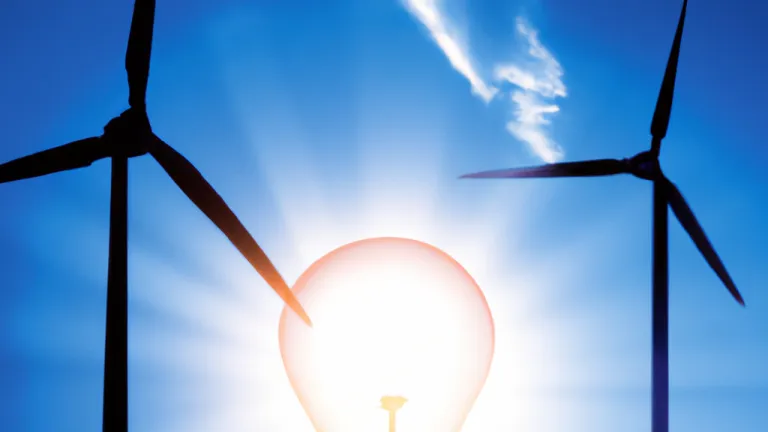
Unlocking a Sustainable Future: Essential Insights on Renewable Energy
In today’s world, the pursuit of renewable and sustainable energy sources has become a priority. With increasing concern over climate change and the need to reduce greenhouse gas emissions, renewable energy stands out as a viable and promising alternative for the future. In this article, we will explore what renewable energy is, how it works, and its role in building a sustainable future.
What is Renewable Energy?
Renewable energy is derived from natural sources that can regenerate, such as sunlight, wind, water, and biomass. Unlike fossil fuels, which are finite and harmful to the environment, renewable energies are clean, inexhaustible, and do not emit pollutants during their generation. This makes them a much more sustainable and environmentally friendly option.
Main Types of Renewable Energy
There are several renewable energy sources available today. Let’s take a look at some of the main ones:
Solar Energy
Solar energy is harnessed from sunlight, captured by photovoltaic panels and converted into electricity. It is one of the most popular forms of renewable energy because the sun is an abundant and accessible source worldwide. Additionally, solar energy is clean, silent, and does not emit pollutants.
Wind Energy
Wind energy is generated from wind, which moves the blades of wind turbines to produce electricity. Like solar energy, wind energy is a clean and renewable source that does not emit pollutants during its generation. Wind turbines can be installed on land or at sea, taking advantage of favorable winds in different regions.
Hydroelectric Energy
Hydroelectric energy is produced from the force of moving water, such as rivers and waterfalls. Hydroelectric plants capture this energy and convert it into electricity, which is distributed to power homes, industries, and businesses. Although it is a clean energy source, building hydroelectric plants can have environmental impacts, such as flooding areas and altering river courses.
Biomass Energy
Biomass energy is obtained from the burning of organic materials, such as agricultural, forestry, and urban waste. This form of renewable energy helps reduce the amount of organic waste discarded in the environment and can be an interesting option for generating electricity, heat, and biofuels.
Benefits of Renewable Energy
The use of renewable energy brings numerous benefits to the environment, the economy, and society as a whole. Some of the main benefits include:
- Reduction of greenhouse gas emissions;
- Diversification of the energy matrix;
- Creation of jobs in the renewable energy industry;
- Reduction of dependence on fossil fuels;
- Promotion of energy security;
- Encouragement of innovation and technological development.
Moreover, renewable energies contribute to long-term sustainability, helping to preserve natural resources and reduce the impacts of climate change.
The Role of Renewable Energy in a Sustainable Future
A sustainable future largely depends on transitioning to a cleaner and renewable energy model. Renewable energies play a crucial role in this process, as they allow for the reduction of greenhouse gas emissions, improvement of air quality, and promotion of sustainable development.
With technological advancements and decreasing production costs, renewable energies are becoming increasingly competitive compared to traditional energy sources. Countries around the world are investing in solar, wind, hydroelectric, and biomass energy projects to ensure a cleaner and more sustainable energy supply for future generations.
Conclusion
In summary, renewable energies play a crucial role in building a sustainable and environmentally responsible future. By harnessing the potential of natural energy sources, we can reduce our environmental footprint, combat climate change, and promote more balanced and sustainable development.
Therefore, it is essential to invest in clean and renewable technologies, promote energy efficiency, and adopt sustainable practices in our daily lives. Only then can we ensure a more promising future for the planet and future generations.
For more tips and information on sustainability, check out our other posts:
Adopt a Zero Waste Lifestyle: Tips and Inspirations to Save the Planet,
The Future is Now: Discover the Power of Clean Energy and
7 Foolproof Tips to Reduce Daily Waste and Save the Planet.
