How Clean Energy is Shaping the Future of Sustainability
In today’s world, the concern for sustainability and environmental preservation has never been more urgent. With increased awareness of climate change and the need to reduce carbon emissions, the search for clean and renewable energy sources has become a global priority. In this article, we will explore how clean energy is transforming the future of sustainability and how it can help ensure a healthier planet for future generations.
Clean Energy: What It Is and Why It Matters
Clean energy, also known as renewable energy, is obtained from sources that are naturally replenished, such as sunlight, wind, water, and Earth’s heat. Unlike fossil fuels, which are finite and contribute to global warming, clean energy sources are sustainable and do not emit greenhouse gases.
The importance of clean energy lies in its ability to provide a viable and sustainable alternative to fossil fuels. By reducing dependence on non-renewable energy sources like oil and coal, we can significantly decrease carbon emissions and mitigate the impacts of climate change.
Types of Clean Energy
There are several forms of clean energy available today, each with its own advantages and challenges. Some of the most common types include:
- Solar energy: obtained from sunlight, usually through solar panels installed on rooftops or in large solar farms.
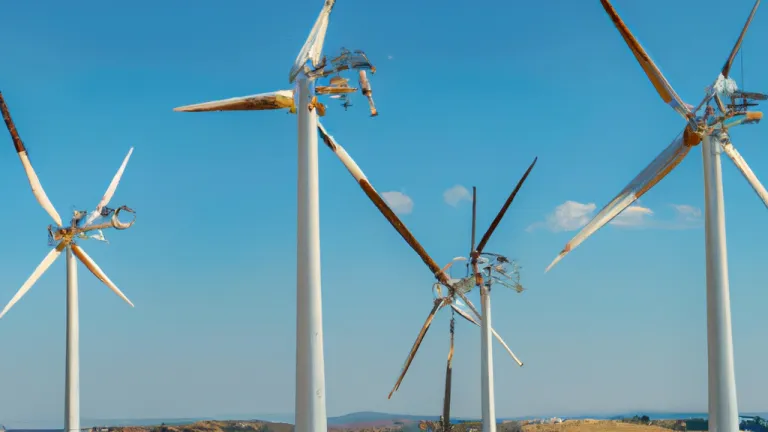
- Wind energy: generated by wind, captured by wind turbines that convert the kinetic energy of the wind into electricity.
- Hydroelectric energy: produced from the energy of moving water, usually through dams that control the flow of rivers and lakes.
- Geothermal energy: derived from Earth’s heat, captured through geothermal energy systems that use the heat stored underground.
Each type of clean energy has its own benefits and challenges, but together they form a powerful solution for transitioning to a more sustainable and environmentally friendly energy system.
The Impact of Clean Energy on Sustainability
The large-scale adoption of clean energy has the potential to radically transform how we produce and consume energy. In addition to reducing carbon emissions and combating climate change, clean energy can also bring a range of benefits for sustainability, including:
- Reduction of air and water pollution: by replacing dirty and polluting energy sources like coal and oil with clean and renewable sources, we can improve air and water quality, protecting human health and ecosystems.
- Creation of green jobs: the transition to a clean energy-based economy can generate millions of jobs in the renewable energy industry, creating stable and well-paid job opportunities worldwide.
- Promotion of sustainable development: by investing in clean energy, we can boost the economic and social development of local communities, creating a more equitable and sustainable future for all.
However, the transition to clean energy is not without challenges. Issues such as energy storage, grid integration, and public acceptance can pose significant obstacles to the expansion of renewable energy. It is crucial that governments, businesses, and individuals work together to overcome these challenges and accelerate the transition to a more sustainable and resilient future.
How Clean Energy is Transforming the Future of Sustainability
Clean energy is playing a fundamental role in transforming the future of sustainability. As more countries and companies commit to reducing their carbon emissions and investing in renewable energy sources, we are witnessing a significant shift in how we produce and consume energy worldwide.
For example, China, the world’s largest carbon emitter, recently announced ambitious plans to achieve carbon neutrality by 2060, investing massively in solar, wind, and hydroelectric energy. Similarly, companies like Tesla are leading the way in adopting electric vehicles and energy storage batteries, demonstrating the power of innovation and technology in the transition to a more sustainable future.
As the demand for clean energy continues to grow, new opportunities are emerging for investments in green infrastructure, research and development of sustainable technologies, and environmental education. With the support of strong public policies and active engagement from civil society, clean energy has the potential to revolutionize how we live and interact with the environment.
Conclusion
Clean energy is playing a crucial role in transforming the future of sustainability. By replacing dirty and polluting energy sources with clean and renewable ones, we can reduce carbon emissions, combat climate change, and promote sustainable and equitable development. However, the transition to clean energy will not be easy and will require the commitment of governments, businesses, and individuals worldwide.
It is essential that we continue to support and promote clean energy as a viable and effective solution to the environmental challenges we face. By investing in renewable energy sources, promoting energy efficiency, and adopting sustainable practices in our daily lives, we can ensure a healthier and more prosperous future for future generations.
To learn more about adopting a more sustainable lifestyle, check out our post on How to Adopt Conscious Consumption and Change Your Lifestyle for the Better. And don’t forget to also read about how climate change is impacting our planet and the urgency of action.
