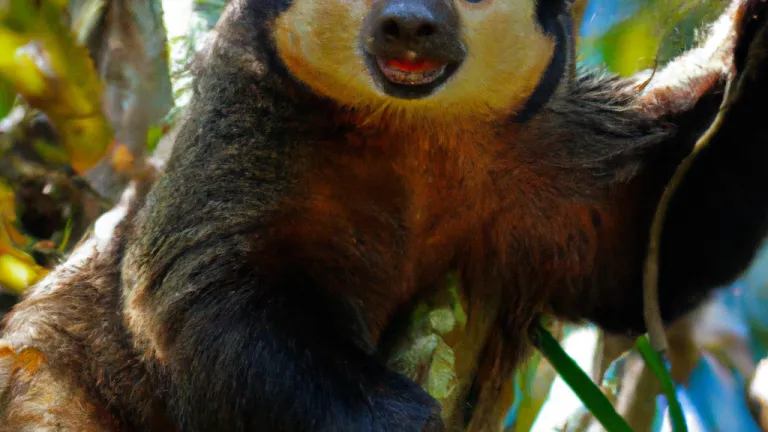
Protecting Biodiversity: The Importance of Wildlife Conservation
Biodiversity is one of the fundamental pillars for the health of planet Earth. It encompasses the variety of life forms, from microorganisms to animals and plants, playing a crucial role in maintaining ecosystems and promoting environmental balance. However, global biodiversity is facing increasing threats, primarily due to human activities such as deforestation, illegal hunting, pollution, and climate change.
The Importance of Biodiversity
Biodiversity is essential for the functioning of ecosystems, providing vital ecosystem services for the survival of all life forms on the planet. These services include climate regulation, plant pollination, water and air purification, soil fertilization, and food production. Additionally, biological diversity contributes to the development of new medicines, materials, and technologies, serving as an inexhaustible source of inspiration and innovation.
When biodiversity is preserved, ecosystems function more efficiently and resiliently, becoming better able to adapt to environmental changes. Conversely, the loss of biodiversity can lead to ecological imbalance, resulting in negative impacts on society, such as food shortages, increased diseases, and environmental degradation.
The Challenges of Wildlife Conservation
Wildlife conservation is one of the main strategies to protect biodiversity and ensure the survival of species in their natural habitats. However, wildlife faces a series of challenges, including habitat destruction, illegal hunting, illegal wildlife trade, the introduction of invasive exotic species, and climate change.
Deforestation, rampant urbanization, and agricultural expansion are some of the main causes of natural habitat loss worldwide. As a result, many species are being forced to relocate, facing habitat fragmentation and an increased risk of extinction. Additionally, illegal hunting and the illegal wildlife trade pose significant threats to many species, jeopardizing their long-term survival.
Wildlife Conservation Measures
To protect wildlife and preserve biodiversity, effective and urgent actions are needed at global, national, and local levels. Some of the main wildlife conservation efforts include the creation of protected areas, combating illegal hunting and illegal wildlife trade, restoring degraded habitats, public awareness, and environmental education.
The creation of protected areas, such as national parks, nature reserves, and conservation areas, plays a fundamental role in wildlife preservation and biodiversity maintenance. These areas offer a safe haven for threatened species, allowing them to reproduce, feed, and move freely in their natural habitats.
Combating illegal hunting and the illegal wildlife trade is another essential measure to protect wildlife. Illegal hunting, often driven by profit, is responsible for the drastic reduction of several species’ populations, while the illegal wildlife trade fuels a lucrative black market, endangering the survival of many species worldwide.
Conclusion
Wildlife preservation is a global challenge that requires collaboration and commitment from governments, non-governmental organizations, local communities, and individuals. Protecting biodiversity and ensuring the survival of species in their natural habitats is crucial for the sustainable future of planet Earth and the well-being of present and future generations.
Therefore, it is essential for each of us to do our part to protect wildlife and preserve biodiversity by adopting sustainable practices, supporting conservation initiatives, and promoting environmental awareness in our community. Together, we can make a difference and ensure a more promising future for all life forms on the planet.
For more information on how to make a difference in environmental conservation, check out the post 5 Essential Steps to Make a Difference in Environmental Conservation on our blog.
