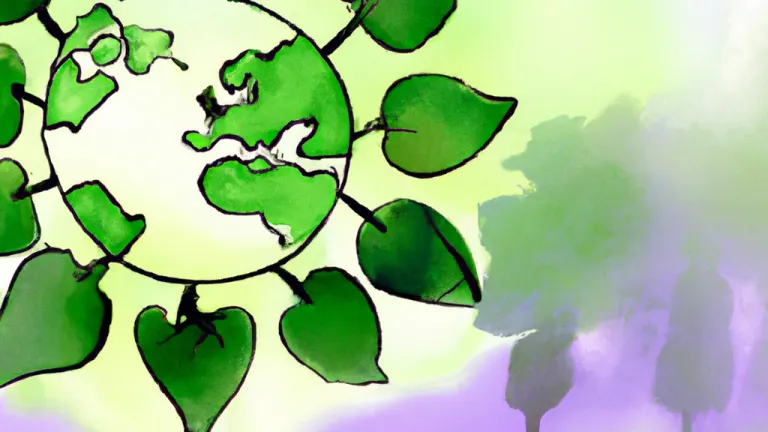
Rebuilding the Future: The Vital Role of Reforestation for Our Planet
Reforestation is a fundamental practice for the sustainability of our planet. With increasing environmental degradation, biodiversity loss, and climate change, restoring forest areas has become a global priority. In this article, we will discuss the importance of reforestation for the future of our planet and how this practice can contribute to environmental preservation and human well-being.
The Role of Forests in Environmental Balance
Forests play a crucial role in global environmental balance. They act as climate regulators, absorbing carbon dioxide (CO2) from the atmosphere and releasing oxygen. Additionally, forests are essential for biodiversity conservation, housing thousands of plant and animal species, many of which are endemic and threatened with extinction.
Unfortunately, rampant human activity, such as deforestation for agricultural expansion, mining, and urbanization, has led to the accelerated loss of forest areas worldwide. As a result, we see an increase in greenhouse gas emissions, soil degradation, and loss of natural habitats.
The Importance of Reforestation
Reforestation refers to the process of planting trees in areas that have been deforested or degraded. This practice aims to restore forest ecosystems and increase vegetation cover in regions affected by human activity. Reforestation is a fundamental strategy to mitigate the negative impacts of environmental degradation and promote the regeneration of healthy ecosystems.
One of the main advantages of reforestation is its ability to capture and store carbon from the atmosphere. Trees absorb CO2 during photosynthesis, helping to reduce the greenhouse effect and mitigate climate change. Furthermore, restored forests offer a range of benefits, such as soil protection, water conservation, biodiversity promotion, and habitat creation for flora and fauna.
The Positive Impact of Reforestation on the Planet
Reforestation has a significant impact on the environment and society as a whole. By restoring degraded areas, we contribute to biodiversity conservation, water resource protection, soil erosion reduction, and air quality improvement. Additionally, reforestation can generate local jobs, promote ecotourism, and strengthen community resilience to climate change.
Studies show that large-scale reforestation can play a crucial role in reducing CO2 emissions and combating global warming. By planting billions of trees worldwide, we can recover forest ecosystems, restore the natural landscape, and ensure a sustainable future for future generations.
Challenges and Opportunities for Reforestation
Despite the clear benefits of reforestation, significant challenges need to be overcome to ensure the success of this practice. Lack of funding, ineffective policies, and resistance from certain sectors of society are some of the obstacles that hinder the implementation of large-scale reforestation projects.
However, there are also opportunities to promote reforestation and encourage ecosystem restoration worldwide. Partnerships between governments, businesses, non-governmental organizations, and local communities can be key to the success of reforestation initiatives. Additionally, the use of innovative technologies, such as satellite mapping and artificial intelligence, can help monitor reforestation progress and identify priority areas for intervention.
Conclusion
Reforestation plays a crucial role in building a sustainable future for our planet. By restoring degraded areas, planting new trees, and promoting the conservation of forest ecosystems, we can mitigate the impacts of climate change, protect biodiversity, and ensure a healthy environment for future generations.
It is essential that each of us does our part to support reforestation and contribute to environmental preservation. Whether by planting a tree, supporting forest conservation organizations, or participating in reforestation campaigns, every action counts in the fight for the protection of forests and wildlife. Together, we can rebuild the future and ensure a healthy and balanced planet for all.
