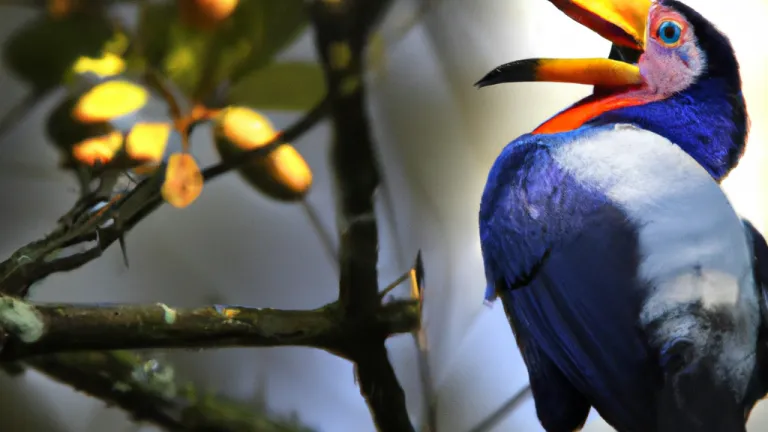
Protect Wildlife: The Critical Importance of Preserving Natural Habitats
Wildlife is one of the most precious treasures we have on our planet. The diversity of species, from the majestic African elephants to the tiny insects inhabiting our gardens, plays a vital role in the ecological balance of our ecosystems. However, with the increasing destruction of natural habitats, many species are facing greater threats to their survival. In this article, we will discuss the importance of preserving natural habitats and how we can protect wildlife for future generations.
The Importance of Natural Habitats
Natural habitats are the places where different species of plants and animals live and reproduce. They provide shelter, food, and suitable living conditions for wildlife to thrive. The diversity of habitats, such as tropical forests, coral reefs, savannas, and wetlands, hosts an impressive variety of species, each playing a unique role in the ecosystem.
Preserving natural habitats is essential to maintain ecological balance, ensure biodiversity, and protect the ecosystem services that benefit all living beings. When a natural habitat is destroyed or degraded, the species that depend on it are forced to relocate, facing habitat loss, food scarcity, and competition for limited resources.
Impacts of Natural Habitat Destruction
The destruction of natural habitats is one of the main threats to wildlife worldwide. Human activities such as deforestation, urbanization, intensive agriculture, mining, and pollution have caused irreparable damage to natural ecosystems. As a result, many species are in decline and face the risk of extinction.
Besides the loss of biodiversity, the destruction of natural habitats also negatively impacts people’s quality of life. Ecosystem degradation can lead to water scarcity, increased soil erosion, climate change, and the spread of diseases.
How We Can Protect Wildlife
To protect wildlife and preserve natural habitats, it is crucial to adopt sustainable practices and promote environmental conservation. Here are some measures that can be implemented:
1. Establish Protected Areas
The creation of protected areas, such as national parks, nature reserves, and wildlife sanctuaries, is essential to conserve natural habitats and protect endangered species. These areas provide a safe haven for wildlife and promote ecosystem regeneration.
2. Promote Ecosystem Restoration
The restoration of degraded ecosystems, such as forests, mangroves, and wetlands, is an effective strategy to recover biodiversity and ecosystem services. Planting native trees, removing invasive species, and sustainably managing natural resources are important practices to restore natural habitats.
3. Reduce Deforestation and Habitat Fragmentation
Deforestation and habitat fragmentation are major threats to wildlife. It is essential to adopt sustainable land use policies, promote responsible forest management, and combat the illegal exploitation of natural resources to prevent habitat loss and species extinction.
4. Combat Poaching and Illegal Wildlife Trade
Poaching and illegal wildlife trade are criminal activities that threaten the survival of many species worldwide. It is crucial to strengthen the enforcement of wildlife protection laws, combat animal trafficking, and raise awareness about the negative impacts of these practices.
Conclusion
Preserving natural habitats is essential to protect wildlife and ensure the health of ecosystems. By adopting sustainable practices, promoting environmental conservation, and combating threats to biodiversity, we can contribute to protecting endangered species and maintaining the ecological balance of our planet.
Protecting wildlife is not just a matter of environmental responsibility but also of survival. Each of us has a role to play in preserving natural habitats and promoting a sustainable future for future generations. Together, we can make a difference and ensure that wildlife continues to thrive on our planet.
To learn more about the importance of environmental conservation, read our post Preserving Our Future: The Importance of Environmental Conservation.
