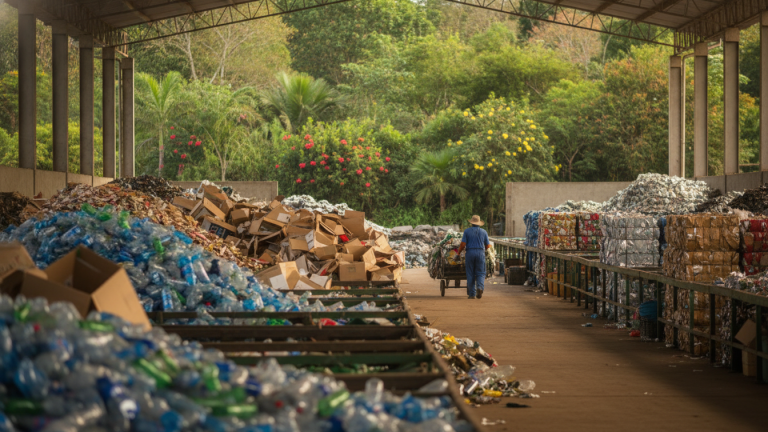
You’ve separated the PET bottle, the cardboard from the delivery box, and that pile of old magazines. Organized everything neatly by the door. But when it comes time to dispose of it, doubt creeps in: where do I take this? Selective collection in the neighborhood doesn’t come every week, the voluntary drop-off point is far away, and throwing it in regular trash feels like a step backward after all that effort. This is where the recycling cooperative comes in as a real, nearby solution.
Recycling cooperatives are associations formed by workers, the waste pickers, who collect, sort, process, and sell recyclable materials. They exist in cities of all sizes throughout Brazil and, in many cases, are closer to you than you imagine. By taking your material directly to one, you close a loop: recyclables reach the right destination, waste pickers earn from the sale, and you may have access to services like scheduled home or building collection.
By the end of reading this article, you’ll know how to find a cooperative near where you live, what to bring, how to prepare materials, and what to do if there’s no accessible option in your city.
Why recycling cooperatives matter in Brazil
Brazil is one of the largest generators of solid waste in Latin America. According to data from Abrelpe (Brazilian Association of Public Cleaning and Special Waste Companies), the country generates more than 80 million tons of urban solid waste per year. Of that total, a small portion goes through any formal recycling process, and much of it still ends up in landfills or, worse, inappropriate locations.
The National Solid Waste Policy (Law 12.305/2010), known as PNRS, establishes shared responsibility for the product lifecycle. This means manufacturers, distributors, retailers, consumers, and the government have legal obligations. The law also formally recognizes waste pickers as fundamental agents in the selective collection system. Organized cooperatives receive support from city halls precisely because they fulfill this role as the legislation provides for.
For those living in apartments or houses without yards, the cooperative is usually the most practical alternative. You don’t depend on the municipal collection schedule, can schedule material pickup, and directly contribute to the income of families who depend on this activity.
How to find a recycling cooperative near you
The search may seem complicated, but there are direct paths. See the main ones:
Online platforms and tools
- Cataki: free app, available for Android and iOS, that connects citizens to registered waste pickers and cooperatives. You enter your location and see who operates in your region.
- Ciclorotas and city hall collection maps: many municipalities have official pages with selective collection points and partner cooperatives. Search the city hall website with the terms “selective collection” or “recycling cooperative”.
- Recicloteca: portal maintained by the Business Commitment for Recycling (Cempre) with information about recycling in Brazil, including data by state and material.
In-person and phone routes
- Call the urban cleaning service (usually called SLU or similar, depending on the city) and directly ask if there are partner cooperatives with addresses accessible to the public.
- Talk to waste pickers who pass through your neighborhood. Many are affiliated with cooperatives and can provide the address or schedule collection.
- Ask at your building or condominium administration. In cities like São Paulo and Belo Horizonte, some cooperatives have contracts with condominiums for regular collection.
Sorting centers and municipal warehouses
Some city halls maintain their own sorting centers that function similarly to cooperatives. These locations accept direct delivery from citizens at specific hours. Pay attention to operating hours before going, as they usually close at noon.
What to bring and how to prepare materials
There’s no point arriving with dirty or mixed material. Cooperatives work better when they receive clean, separated items, because this increases sales value and reduces sorting work.
Materials generally accepted:
- Cardboard (disassembled and dry)
- White paper, newspaper, magazines
- PET bottles and plastic packaging (compressed and clean)
- Aluminum cans (crushed or not)
- Glass (bottles, jars, without mirrors or tempered glass)
- Ferrous metals (oil cans, lids)
What is generally not accepted:
- Styrofoam (depends on the cooperative; ask first)
- Carbon paper, metallic paper, tissue paper
- Mirrors, tempered glass, shower enclosures
- Packaging with excess oil or food residue
To prepare materials correctly:
- Empty containers and rinse with little water
- Remove labels when possible, especially on glass bottles
- Disassemble cardboard boxes to take up less space
- Separate by category: paper, plastic, metal, glass
- Store in labeled bags or boxes at home until you accumulate a reasonable amount
This habit of separating at home connects to a more mindful consumption style. If you also want to reduce what you generate before separating, the article What is conscious consumption and which examples to follow can help in this next step.
Step-by-step for taking your recyclables for the first time
Estimated time: 30 to 60 minutes the first time; much less afterwards. Cost: zero, generally. Some cooperatives offer free scheduled collection.
- Research using Cataki or your city hall website and note the address and operating hours of the nearest point
- Call or message before going to confirm it’s open and ask what they accept
- Separate and package materials by category at home
- Go to the location (or schedule collection, if available) with materials in bags or boxes
- Deliver at the reception or receiving area indicated by the waste pickers
- Ask about recurring collection: many cooperatives have WhatsApp groups or registration for residents who want to schedule regular pickups
If you live in an apartment and have difficulty transporting the material, check with the building manager if it’s possible to include the cooperative in the condominium service contract. This solves the problem for all residents at once.
What to do when there’s no accessible cooperative
Unfortunately, in smaller cities or outlying areas, the nearest cooperative may be too far away for regular delivery. In those cases, some alternatives work:
- Voluntary drop-off points (PEVs): ecopoints maintained by the city or private companies. Supermarkets, building supply stores, and some pharmacies have PEVs for batteries, batteries, and electronics.
- Fairs and markets: some municipal markets have collection points for packaging, especially paper and plastic.
- Local recycling groups: in many municipalities, WhatsApp or Facebook groups organize collective pickups, bringing together material from several residents to deliver together.
- Reverse logistics companies: for specific items like cooking oil, electronics, and expired medications, manufacturers and distributors are required by PNRS to offer reverse logistics. Search for the collection point by the product’s manufacturer.
Common mistakes when using cooperatives for the first time
Bringing wet or residue-filled material: soaked cardboard loses value and may be rejected. Store in a dry place.
Mixing categories: arriving with everything in one bag slows down the team’s work. Separate at home.
Showing up unannounced during peak hours: cooperatives have lean teams. Call first to find out the best time.
Thinking any plastic works: plastics are classified by type (1 to 7, marked on the recycling symbol on the package). Not all have buyer markets. Ask the cooperative which types they accept.
Giving up due to lack of volume: you don’t need to wait to accumulate a ton. A bag with clean material is already welcome and already has value.
Frequently asked questions about recycling cooperatives
Does a recycling cooperative accept any type of trash?
No. Cooperatives work with dry recyclable materials: paper, cardboard, plastic, metal, and glass. Organic waste, rejects, and contaminated materials are not accepted. For organic matter, composting is the appropriate route.
Do I need to pay to deliver material to a cooperative?
In the vast majority of cases, no. The cooperative profits from selling recyclables to industries. In some cases of scheduled home collection, there may be a minimum travel fee, but this is not the rule.
Can I call the waste picker who passes through my neighborhood instead of going to the cooperative?
Yes, and that’s equally valid. Many independent waste pickers are affiliated with cooperatives or pass the material on to them. By separating and offering the material to them, you directly support the worker’s income.
What if the nearest cooperative is more than 20 km away?
Use the alternatives listed above: PEVs, reverse logistics from manufacturers, and local collection groups. For high-value items like aluminum, even in small quantities, occasional trips may be worthwhile. For everything else, accumulate until you have a volume that justifies the trip or organize a collective delivery with neighbors.
Start this week
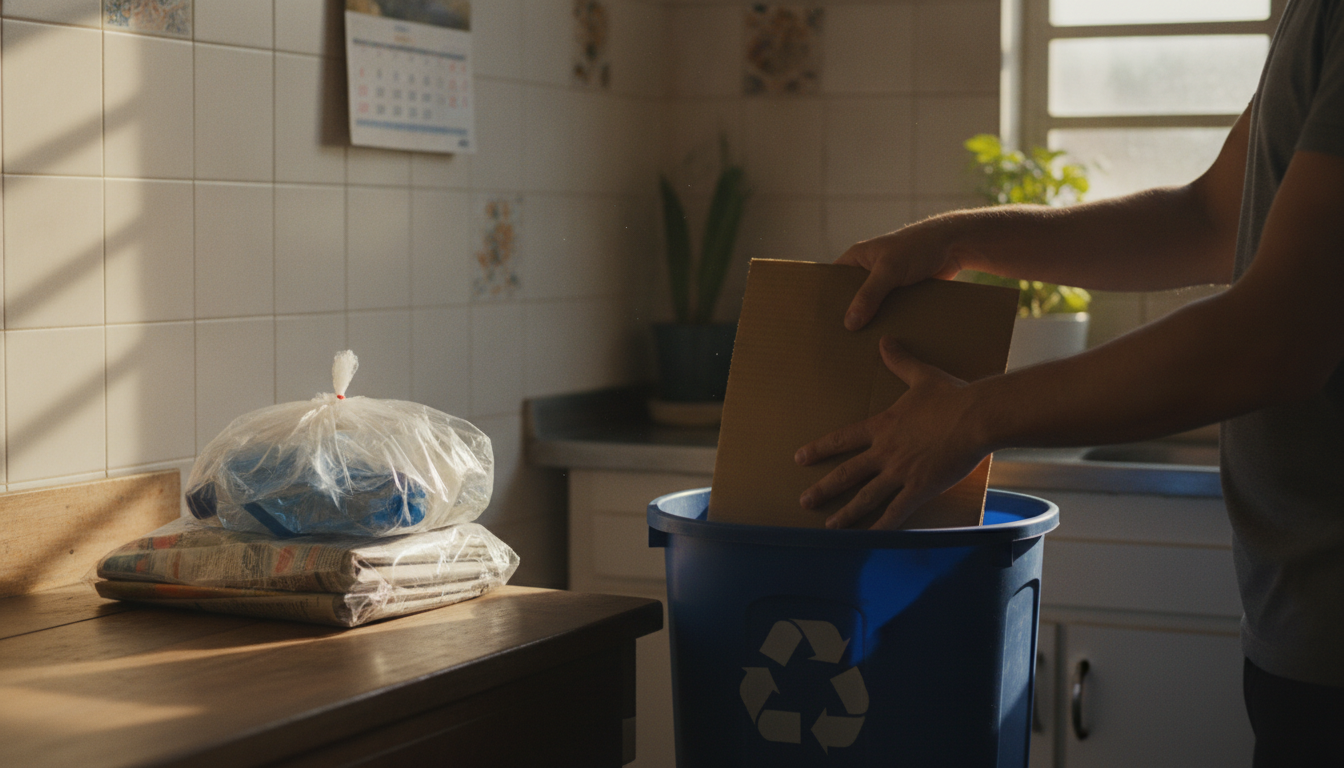
Open the Cataki app now or your city hall website, search “recycling cooperative” with your neighborhood or city name, and note the address of the nearest point. Meanwhile, put three boxes or bags on your porch, laundry area, or a kitchen corner—one for paper, one for plastic and metal, one for glass. When it fills up, you already know where to take it. No mystery, no cost, no guilt. Just one step at a time.
