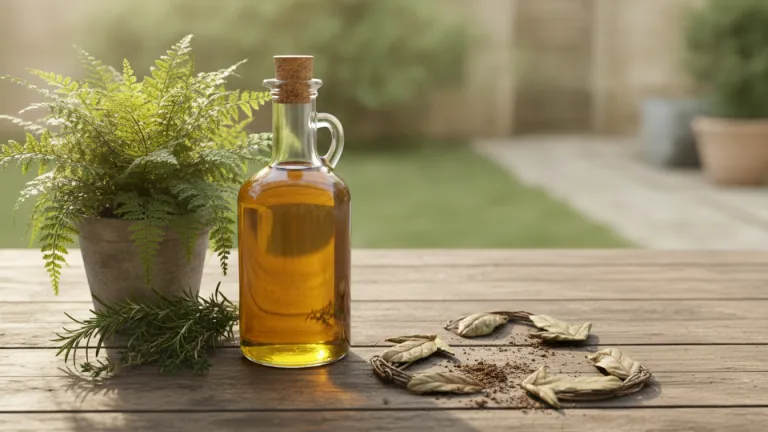
The Problem Going Down the Drain: Why Cooking Oil Needs Attention
Have you ever finished frying food or preparing a sauté and simply poured the leftover oil down the sink or toilet? If so, you’re not alone — and there’s a much better alternative to this common kitchen habit.
Used cooking oil is one of the most problematic household wastes when disposed of incorrectly. A single liter of oil can contaminate up to one thousand liters of water, according to information from the National Water and Sanitation Agency (ANA). This happens because when oil enters the sewage system, it forms an impermeable film over water, reduces oxygen available to aquatic organisms, and clogs sanitation networks, causing enormous environmental and financial damage to cities and municipalities.
The good news is that proper disposal of cooking oil is simple, accessible, and can even generate real benefits — including economic ones. In this article, you’ll understand the impacts of improper disposal, learn how to act correctly at home, and discover how to transform this waste into a valuable resource.
The Real Impacts of Improper Cooking Oil Disposal
Water and soil contamination from used oil
When oil goes down the drain, it travels through the sewage network and can reach rivers, lakes, and groundwater. At water treatment plants, removing grease requires additional processes and increases operational costs. In cities with poor sanitation — which is still a reality in much of Brazil and many parts of the world — this oil reaches water bodies directly without any treatment.
In soil, oil forms a layer that waterproofs the surface, impairs water absorption by plants, and can kill microorganisms essential for soil health. This process degrades areas that could be productive and contributes to the impoverishment of local ecosystems.
Clogs, costs, and urban problems
Beyond environmental damage, improperly disposed oil causes concrete damage to urban infrastructure. When mixed with other waste in sewage, it solidifies and forms blockages in pipes — the so-called “fatbergs” (a mixture of fat and solid waste). These blockages require manual and mechanical cleaning of sewage networks, generating costs that fall on public services and, consequently, on all taxpayers.
Not pouring oil down the drain, therefore, is a gesture that protects not only the environment but also public money and the quality of urban services in your city.
How to Store Used Oil Safely at Home
Proper storage of cooking oil before disposal
Before thinking about where to dispose of it, you need to know how to store used oil safely and practically in daily life. Here’s a step-by-step guide:
- Let the oil cool completely before handling it. Hot oil can cause severe burns and damage inadequate plastic containers.
- Use a funnel to facilitate storage and prevent spills.
- Transfer the oil to a PET bottle or glass jar with a lid. Soda bottles or olive oil bottles are great options — and reusing these containers is already a sustainable act.
- Filter the oil with a fine strainer or cotton cloth to remove solid food residues. This facilitates later recycling.
- Close the container tightly and label it with “used oil” to avoid confusion.
- Store in a cool, dry place, away from direct sunlight. Oil can be stored this way for weeks without problems.
- When the bottle is full, take it to the nearest collection point.
Where to Dispose of Used Cooking Oil
Oil collection points and recycling programs
In Brazil, the reverse logistics of vegetable oil gained strength with the National Solid Waste Policy (Law No. 12,305/2010), which provides for shared responsibility throughout the product life cycle. Based on this law, various public and private initiatives organize the collection of used oil throughout the country.
Here’s where you can find disposal points:
- Supermarkets and hypermarkets: many chains have collection points at store entrances.
- Gas stations: some stations participate in vegetable oil collection programs.
- Churches, schools, and neighborhood associations: frequently organize community collection campaigns.
- City halls: many cities have specific collection programs — check your city’s website or call the environmental department.
- Eco-points and recycling centers: municipal structures that accept different types of recyclable waste, including oil.
- Apps and mapping websites: platforms and regional initiatives map collection points by ZIP code or location.
If you live in a condominium, a great initiative is to propose to the building manager the installation of a collective oil collector in the lobby or recycling area. Many specialized companies provide collectors free of charge in exchange for the collected material.
What Happens to Oil After Collection
Cooking oil recycling and biodiesel production
Used cooking oil is a valuable raw material. After collection, it can follow different recycling paths, all much more positive than ending up in a river or sewage system:
- Biodiesel: this is the most common destination. Used vegetable oil undergoes a chemical process called transesterification and transforms into biofuel. Many countries have biodiesel programs, and household residual oil can feed this production chain.
- Soap and cleaning products: oil can be transformed into soap through a simple process with caustic soda. This is a very popular alternative in social projects and waste picker cooperatives.
- Glycerin: a byproduct of biodiesel production, glycerin has applications in the cosmetic and pharmaceutical industries.
- Industrial lubricants: on a smaller scale, recycled oil can also be processed for industrial use.
Oil recycling closes a cycle that generates income, reduces emissions, and prevents environmental damage — a concrete example of circular economy working in everyday life.
How to Make Homemade Soap with Used Cooking Oil
Simple eco-friendly soap recipe with recycled oil
Making soap at home with used oil is one of the most accessible ways to recycle this waste yourself. Besides being economical, homemade soap avoids the consumption of industrialized products with plastic packaging.
Ingredients for approximately 2 kg of soap:
- 1 liter of filtered used cooking oil
- 1 liter of water
- 200 g of caustic soda flakes (NaOH)
Preparation method:
- Use protective equipment: rubber gloves, safety glasses, and an apron. Caustic soda is corrosive.
- In a heat-resistant container (preferably thick plastic or stainless steel), add cold water.
- Add the caustic soda slowly to the water — never the reverse — and stir with a long-handled spoon. The mixture will heat up considerably: wait for it to cool.
- When the soda mixture is lukewarm, slowly add the oil, stirring continuously.
- Stir until reaching the “trace” point — when the mixture acquires a thick porridge consistency.
- Pour into molds (milk cartons, plastic containers, or silicone molds) and cover with a cloth.
- Wait 24 to 48 hours to harden, then unmold and let cure for at least 4 weeks before using.
The result is an efficient soap for general cleaning, washing clothes, and floors. And you can share the surplus with neighbors or donate it to social projects.
Practical Tips to Reduce Used Oil in the Kitchen
Habits that decrease the volume of oil waste generated
Besides disposing correctly, reducing the amount of used oil generated is a powerful sustainable attitude. Small changes in cooking habits make a big difference:
- Prefer sautéing instead of deep frying whenever possible — besides generating less waste, it’s healthier.
- Use air fryers, which work with much less oil than traditional fryers.
- Filter and reuse oil a few times before discarding it, as long as it’s not dark or has a strong smell.
- Buy only the amount of oil you’ll use to avoid waste due to expiration.
- Store fresh oil in a dark, cool place to extend its shelf life.
These habits not only reduce waste but also save money on the household budget — an extra motivation to adopt them.
Movements and Initiatives You Can Support
Collective oil collection programs and circular economy
There are various organizations and programs that work with the collection and recycling of vegetable oil and deserve your support and attention:
- Environmental institutes and similar entities coordinate the collection and recycling chain for lubricants and oils in various regions.
- Waste picker cooperatives frequently include oil as part of their recycling and soap production chains.
- Municipal environmental education programs promote periodic collection campaigns — stay tuned to your city hall’s social media.
- School and community projects that teach how to make homemade soap are excellent initiatives to engage families and entire communities.
Just as preserving forests with simple daily attitudes is possible without great sacrifices, taking care of the destination of oil in your kitchen is a small gesture with real and measurable impact.
Conclusion: A Full Bottle, A Clean River
Proper disposal of cooking oil is one of the clearest examples of how a simple everyday gesture can have significant environmental consequences — for better or worse. Filling a PET bottle with used oil and taking it to the nearest collection point doesn’t require investment, special equipment, or much time. It only requires information and willingness to act.
Throughout this article, you’ve seen that the problem is real, but solutions are within reach of anyone: store correctly, find a collection point, make homemade soap, or simply reduce waste generation. Every liter of oil that doesn’t go down the drain is one less liter of contaminated water.
If you don’t have this habit yet, start today. Set aside an empty bottle, place it near the stove, and make proper disposal part of your routine. Share this article with family and friends — because sustainability is also learned in kitchen conversations. And if you want to expand your positive footprint even further, explore other ways to live more consciously, such as discovering the pros and cons of initiatives like solar energy before installing in your home.
The planet thanks you. And so does your sink.
