Bees Are Essential for Planetary Balance
Imagine waking up in a world without apples, without coffee, without almonds, without strawberries, and without most of the flowers that color gardens and fields. This scenario isn’t science fiction — it’s a real possibility if bee populations continue their accelerated decline. These insects, which seem so common and often go unnoticed in daily life, are the silent protagonists of one of the most important processes for life on Earth: pollination.
Bees are responsible for pollinating a significant portion of the planet’s flowering plants, including dozens of agricultural crops that humans depend on for food. According to the Food and Agriculture Organization of the United Nations (FAO), approximately 75% of the world’s food crop types depend, at least in part, on animal pollination — and bees are the most efficient and abundant pollinators among them. Without them, global food production would collapse.
The problem is that bees are in trouble. The decline in their populations is documented in various parts of the world and has multiple causes: pesticide use, habitat destruction, diseases, parasites, and climate change. Understanding why they are so vital — and what each person can do to protect them — is a concrete step toward a more balanced planet.
The Role of Bees in Pollination and Food Security
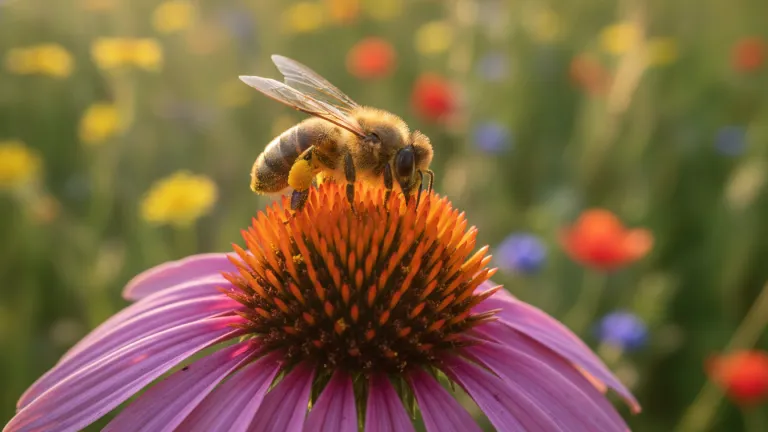
Pollination is the process by which pollen is transported from one flower to another, fertilizing plants and enabling the production of fruits and seeds. Bees do this while collecting nectar and pollen for food: when they land on a flower, they carry pollen grains on their bodies and transfer them to the next flower they visit.
This ecosystem service has immense economic value. Reference studies published over the past decade estimate that the global value of pollination services for agriculture reaches tens of billions of dollars per year — although it’s difficult to pinpoint a single universally accepted figure given the complexity of agricultural systems. What is undeniable is that crops like coffee, cocoa, sunflower, soybeans, passion fruit, melon, apples, and countless vegetables directly depend on bees to produce well.
In Brazil, the scenario carries even greater weight. The country is one of the world’s largest agricultural producers and possesses extraordinary bee biodiversity: more than 550 species of native stingless bees are cataloged by Embrapa, in addition to European bees (such as Apis mellifera) introduced for beekeeping. This richness places Brazil in a privileged position, but also with great responsibility for conserving these insects.
Why Bees Are in Decline
Pesticides: the invisible threat to bees
Intensive pesticide use in agriculture is one of the main causes of bee decline worldwide. Among the most concerning are neonicotinoids, a class of systemic insecticides that penetrate all plant tissues, including nectar and pollen. When bees come into contact with these compounds, they can suffer disorientation, memory loss, navigation difficulties, and even death.
The European Union banned the outdoor use of several neonicotinoids in 2018 precisely because of the documented risks to bees. In Brazil, regulatory discussion is ongoing and involves the National Health Surveillance Agency (ANVISA) and Ibama, but the country still registers a high volume of use of these products on crops.
Habitat loss and deforestation
Bees need flowers for food and suitable places to build nests — tree hollows, permeable soils, natural debris. Deforestation, disorderly urban expansion, and conversion of natural areas into monocultures drastically reduce the availability of floral resources and shelter. In the Cerrado and Atlantic Forest, two of Brazil’s most threatened biomes, this habitat loss is critical.
Parasites, diseases, and climate change
The Varroa destructor mite is one of the greatest villains of honey bee hives worldwide, parasitizing larvae and adults and facilitating virus transmission. Climate change worsens the situation by altering plant flowering cycles, creating mismatches between food availability and bee activity periods — a phenomenon called phenological desynchronization.
Native Bees of Brazil: A Little-Known Treasure
Brazil’s native stingless bees, such as the jataí (Tetragonisca angustula), mandaçaia (Melipona quadrifasciata), and uruçu (Melipona scutellaris), are a fundamental part of Brazilian ecosystems and play an irreplaceable role in pollinating native flora and regional crops.
Besides being stingless (which makes them safer to raise in urban and rural environments), these bees produce honeys with unique characteristics and medicinal properties studied by researchers from Embrapa and Brazilian universities. Meliponiculture — the raising of native stingless bees — has been growing in Brazil as a sustainable activity that combines income generation, biodiversity conservation, and environmental education.
What Science Says About the Future of Bees
The Intergovernmental Science-Policy Platform on Biodiversity and Ecosystem Services (IPBES) published, in its 2016 global pollinator assessment — still one of the most cited references today —, that more than 40% of invertebrate pollinator species, especially bees and butterflies, face extinction risk on a global scale. Since then, regional and global research has reinforced this warning.
The “Global Status of Pollinators” report, published by FAO, reinforces that pollinator loss represents a direct threat to food security, nutrition, and human well-being — and that the causes of decline are mostly human-made and, therefore, reversible with changes in behavior, public policy, and agricultural technology.
The good news is that where there is habitat protection, reduced pesticide use, and planting of native species, bee populations show recovery capacity. This means that today’s actions have real and measurable impact.
How to Help Bees: What You Can Do Now
Protecting bees doesn’t require large investments or specialized knowledge. Here are concrete actions anyone can adopt:
- Plant native flowers in your garden, balcony, or windowsill. Species like lavender, sunflower, cosmos, marigold, and local wildflowers attract and feed bees. Always prefer plants native to your region.
- Avoid chemical pesticides at home and in the garden. Opt for biological pest control or natural recipes (like garlic or neem spray).
- Leave a corner of the garden “wild.” Dry leaves, twigs, and exposed soil are natural shelters for native solitary bees.
- Install an insect hotel. Simple structures made with bamboo, wood, and straw offer shelter for solitary bees and can be built at home.
- Buy honey from local and responsible producers. Supporting beekeepers and meliponiculturists in your region encourages bee and native vegetation conservation.
- Don’t kill bees. If you find a swarm, contact a local beekeeper for safe removal.
- Consume organic products when possible. Reducing demand for foods produced with pesticides pressures the market toward more sustainable practices.
- Participate in or support reforestation initiatives. Cleanup and environmental restoration efforts are direct ways to expand available habitats for bees.
Urban Meliponiculture: Raising Stingless Bees at Home
One of the trends that has gained momentum in Brazil in recent years is raising native stingless bees in urban environments. Because they are docile and don’t sting (they only bite lightly in extreme situations), species like jataí and manduri can be kept in apartments and balconies, inside small wooden boxes called rational hive boxes.
Urban meliponiculture offers multiple benefits:
- Directly contributes to pollination of surrounding plants, improving urban gardens and vegetable plots
- Produces differentiated quality honey
- Brings people closer to nature and expands environmental awareness
- Can become a supplementary income source
To get started, look for courses or meliponiculture groups in your city — there are associations in practically all Brazilian states. Embrapa offers free technical publications on the subject, available on their official portal.
Bees and Sustainability: The Connection with Our Consumption
It’s impossible to talk about bee protection without addressing the consumption model that shapes global agriculture. The pressure for cheap, industrially-scaled food is one of the drivers of excessive pesticide use and deforestation that destroy these insects’ habitats.
Every consumption choice is also a vote for a production model. Preferring sustainably sourced products, supporting organic farmer markets, and reducing food waste are gestures that, combined, reduce pressure on the ecosystems where bees live. Just as we rethink our fashion choices — as we discussed in Why Sustainable Fashion Matters More Than Ever — we can apply the same critical eye to what we put on our plates.
Sustainability isn’t a niche behavior: it’s a web of interconnected choices. And bees are at the center of this web.
Conclusion: Small Actions, Big Impact
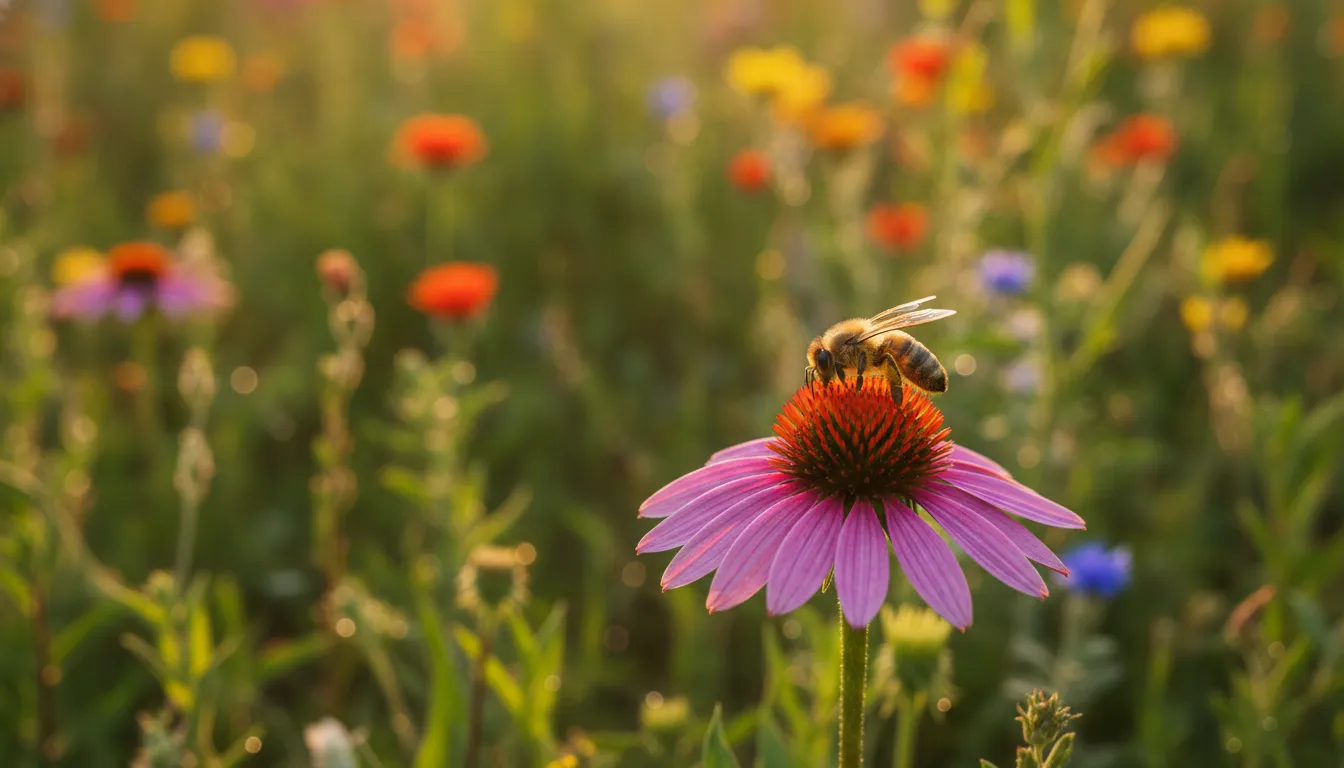
Bees are, literally, part of the foundation of life as we know it. They pollinate the plants that feed humans and animals, sustain entire ecosystems, and connect us with the biodiversity that makes the planet habitable. Caring for them is caring for ourselves.
The good news — and there is plenty of good news here — is that anyone can contribute. A plant on the windowsill, a label read carefully at the supermarket, a conversation about pesticides with a neighbor, a meliponiculture course on the weekend. Small actions, when multiplied by millions of people, create a real force for transformation.
In 2026, with so many environmental challenges on the global agenda, bees remind us of a simple and powerful truth: nature works when we respect its connections. And we are part of these connections. Start today — with a flower, with a choice, with a question. The bees thank you.
