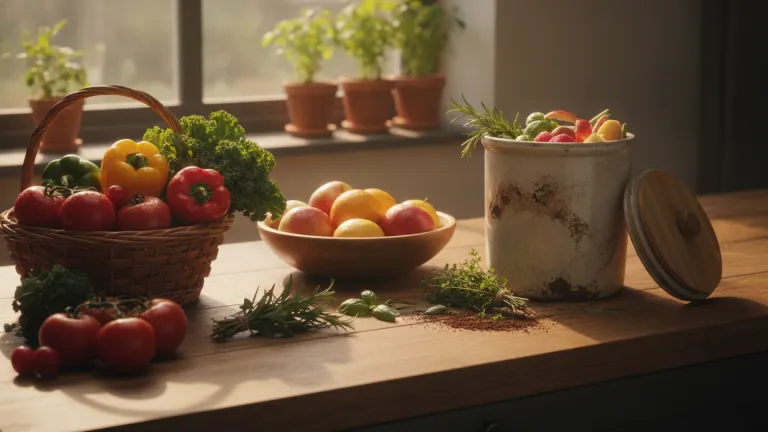
Food Waste at Home: How to Reduce It Starting Today
Did you know that a significant portion of everything produced to feed the world never actually gets consumed? According to the Food and Agriculture Organization of the United Nations (FAO), about one-third of all food produced globally is lost or wasted along the chain — from farm to table. In Brazil, the situation is also concerning: estimates from Embrapa and researchers in the field indicate that the country wastes tens of millions of tons of food per year, with a relevant portion of this waste happening within households themselves.
What many people don’t realize is that throwing away food isn’t just a budget problem — although the financial impact is real and painful, especially in times of food inflation. When food ends up in the trash, everything invested in its production goes with it: water, energy, soil, human labor, and transportation. And when this organic waste ends up in landfills without proper treatment, it releases methane, a gas with global warming potential much higher than CO₂ in the short term — something directly linked to the greenhouse effect and its impacts on climate.
The good news is that most solutions to this problem start at home, with simple changes in habits and organization. You don’t need to renovate your kitchen or buy expensive equipment. This article will show you, in a practical and direct way, how to reduce food waste in your daily life — starting today.
Why Food Waste Happens So Much at Home
Before taking action, it’s worth understanding the causes. Household waste has various origins, and identifying which one affects your routine the most is the first step toward change.
The most common reasons include:
- Unplanned shopping, which results in items forgotten in the fridge
- Excessive portions prepared at meals
- Improper storage, which accelerates food spoilage
- Confusion about expiration dates — many people throw away food still fit for consumption because they don’t understand the difference between “expiration date” and “best before”
- Lack of whole-food utilization (peels, stems, seeds)
- Disorganized fridge and pantry, which causes items to disappear until they expire
Understanding these patterns helps create effective and personalized strategies for your reality.
How to Plan Your Shopping to Waste Less
Waste often begins at the supermarket. Buying more than you’ll consume, or shopping without knowing what you already have at home, are easy traps to fall into.
Weekly meal planning: the starting point
- Set aside 15 minutes before going to the store to plan the week’s meals — breakfast, lunch, dinner, and snacks.
- Check what you already have at home before making your list. Open the fridge, pantry, and freezer.
- Build your shopping list based on the planned menu, not on impulse.
- Prioritize perishable foods for the first days of the week and longer-lasting items for the end.
- Avoid buying large quantities of items you’re not sure you’ll consume — “buy 3, pay for 2” deals are only worth it if you’ll actually use everything.
This simple habit of planning can considerably reduce the volume of food that ends up in the trash — and also helps keep your budget under control.
Proper Storage: The Secret to Making Food Last Longer
Much of what we throw away could have been saved with proper storage. Each food has ideal preservation conditions, and respecting them makes all the difference.
Practical storage tips by category
- Fruits and vegetables: not everything goes in the fridge. Bananas, tomatoes, avocados, and potatoes, for example, keep better at room temperature. Leafy greens and fresh herbs last longer in the fridge, wrapped in slightly damp paper towel inside a closed container.
- Meal leftovers: store in transparent containers — this way you see what you have and consume it before forgetting. Label with the preparation date using masking tape and a pen.
- Bread: freeze what you won’t consume in two or three days. Thawed at room temperature or in the toaster, it’s practically like new.
- Fresh aromatic herbs (parsley, cilantro, chives): place the stems in a glass of water, like a small flower vase, and keep in the fridge. They last up to two weeks this way.
- Fridge organization: place items closest to expiration in front and newer ones in back — the so-called FIFO method (First In, First Out).
Understanding label dates
The confusion between “expiration date” and “best before” leads to unnecessary disposal of many foods. “Best before” indicates a decline in sensory quality (flavor, texture), not necessarily a health risk. Meanwhile, “expiration date” (or “use by”) signals the food safety limit. Check the food’s characteristics — smell, color, texture — before discarding based solely on the date.
Whole-Food Utilization: From Peel to Stem
One of the most creative and effective ways to reduce waste is using parts of food that usually go straight to the trash.
- Fruit peels like orange, lemon, and apple can become teas, seasonings, or candied peels
- Kale, broccoli, and parsley stems are nutritious and can be sautéed, added to soups, or blended into smoothies
- Pumpkin seeds are delicious roasted in the oven with olive oil and salt
- Stale bread becomes French toast, croutons, breadcrumb topping, or bread pudding base
- Potato peels baked in the oven with seasonings make a crunchy snack
- Water from cooking vegetables can be used as a base for broths and soups
- Tips and vegetable scraps accumulated in the freezer make a nutritious homemade broth
The whole-food utilization movement has gained strength in Brazil thanks to the work of nutritionists and cooks who share accessible recipes using these parts. Search for “zero-waste cooking” and you’ll find a universe of possibilities.
Home Composting: When Waste Is Unavoidable
Even with all the care, there will always be organic waste: peels, coffee grounds, preparation scraps. Composting transforms this waste into rich fertilizer for plants — and diverts material from landfills.
How to start simple composting at home
- Choose the method suitable for your space: worm bin (ideal for apartments), countertop composter, or backyard composter.
- Separate appropriate organic waste: fruit and vegetable peels, coffee grounds, tea bags, papers without glossy ink, raw vegetable scraps.
- Avoid including: meats, dairy, oils, and very salty or seasoned foods, which attract pests and create bad odors.
- Maintain balance between wet materials (fruit and vegetable scraps) and dry materials (shredded cardboard, sawdust, dry leaves).
- Turn the compost regularly to oxygenate and accelerate decomposition.
- In weeks to months, depending on the method, you’ll have quality fertilizer for pots, vegetable gardens, and gardens.
Many Brazilian municipalities also offer community composting programs or organic waste drop-off points — it’s worth researching what exists in your city.
The Practical List: 12 Habits to Adopt This Week
If you want to start now, here are concrete, low-cost actions:
- Plan the week’s meals before going to the store
- Take inventory of the fridge and pantry before each purchase
- Use the FIFO method in food organization
- Freeze what you won’t use in the next two days
- Use stems, peels, and seeds in recipes
- Store leftovers in transparent containers labeled with the date
- Cook smaller portions and serve less at first — it’s easier to have seconds than to waste
- Learn to read expiration labels correctly
- Have a weekly “fridge cleanout” meal with what’s left over
- Grow herbs in small pots (parsley, basil, chives) to use just the right amount
- Start home composting, even if small
- Share the excess with neighbors, friends, or food donation groups in your community
The Collective Impact of Individual Choices
It may seem like choices made inside a kitchen are too small to make a difference. But when multiplied by millions of households, they become a real force for transformation. Reducing food waste is cited by organizations like Project Drawdown as one of the strategies with the greatest potential for positive impact on the global climate — and it’s one of the few that anyone can implement regardless of income, location, or technology.
Beyond climate, there’s an important human dimension: in Brazil, millions of people still face food insecurity. Wasting less is also a way to honor the work of those who produce our food and to recognize that food has value — environmental, economic, and social.
If you want to further expand your sustainable impact at home, also check out how to reduce water consumption in the shower without sacrificing comfort — another simple change with concrete effects.
Conclusion: Start Small, But Start Today
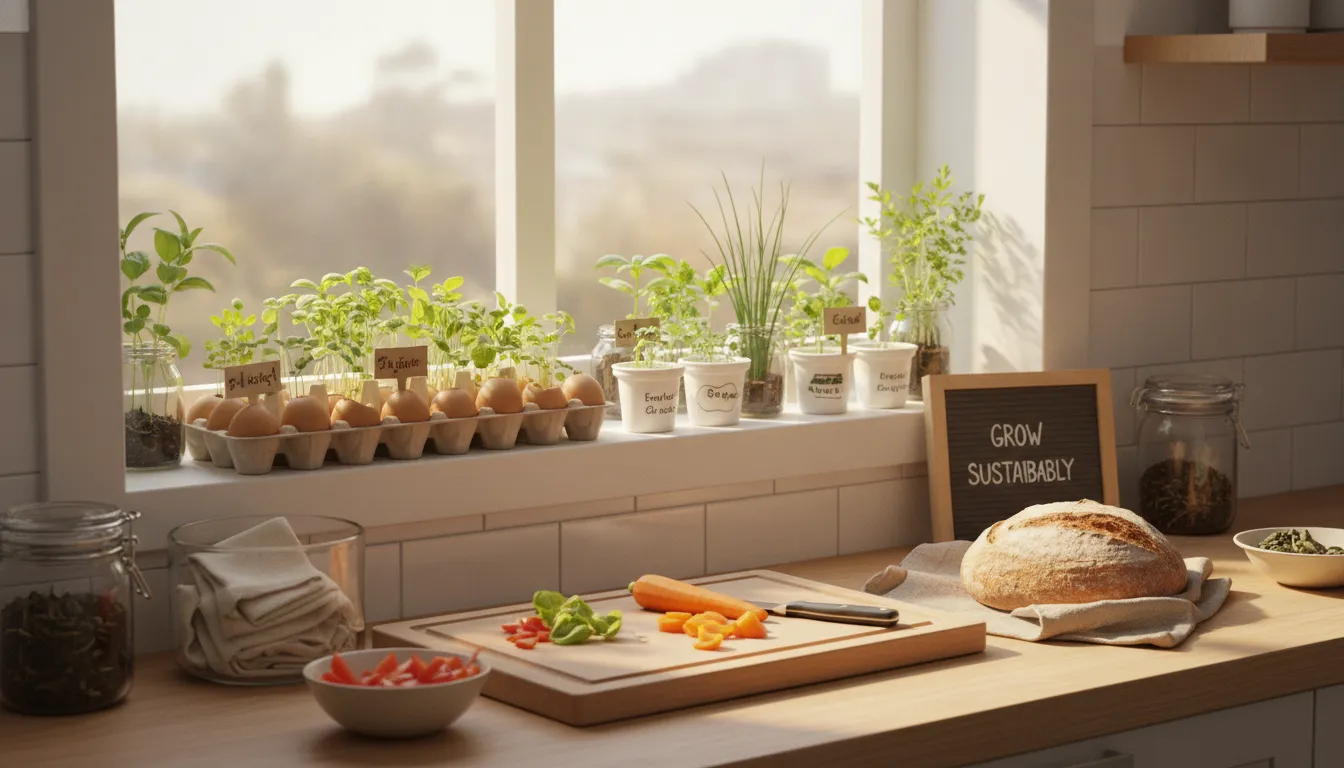
Reducing food waste at home doesn’t require perfection or a radical life change. It requires attention, a bit of planning, and the willingness to try new habits. You don’t need to apply everything at once — choose two or three practices from this list and incorporate them into your routine over the next few weeks.
Every vegetable used whole, every leftover transformed into a new meal, every purchase made more consciously is a real contribution. And real contributions, added together, change the world — or at least the kitchen, which is already a great start.
