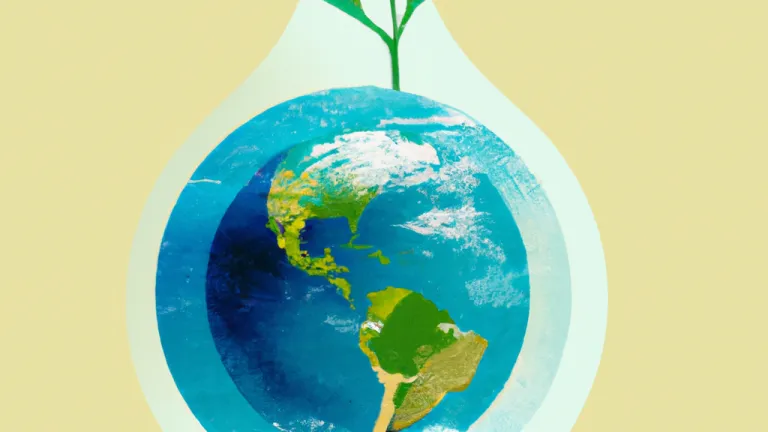
Ecological Balance: The Key to Our Planet’s Sustainability
Ecological balance is essential to ensure the sustainability of our planet. When ecosystems are balanced, biodiversity thrives, natural resources are used consciously, and the quality of life for all living beings is preserved. In this article, we will explore the importance of ecological balance and how it is interconnected with environmental sustainability.
The Importance of Ecological Balance
Ecological balance refers to the harmony between different elements of an ecosystem, such as plants, animals, microorganisms, and the physical environment in which they live. When this balance is maintained, all living beings can develop and interact healthily, ensuring the continuity of life on the planet.
One of the main benefits of ecological balance is the maintenance of biodiversity. Each species plays a unique role in the ecosystem, contributing to its stability and resilience. When a species becomes extinct or its population is drastically reduced, it can trigger a cascading imbalance, affecting other species and the functioning of the ecosystem as a whole.
How Ecological Balance Contributes to Sustainability
Environmental sustainability is intrinsically linked to ecological balance. When ecosystems are healthy and balanced, they can provide a range of essential ecosystem services for life on the planet, such as climate regulation, water purification, plant pollination, and waste decomposition.
Moreover, ecological balance also contributes to the maintenance of natural resources, such as water, soil, and biodiversity. When these resources are used sustainably, we ensure that future generations can also enjoy them, promoting intergenerational equity and environmental justice.
Practices to Promote Ecological Balance
There are several practices that can be adopted to promote ecological balance and contribute to the sustainability of our planet. Some of them include:
- 10 Simple Ways to Protect the Environment and Save the Planet
- 5 Effective Ways to Combat Pollution and Save the Planet
- Investing in clean and renewable energies, such as solar and wind;
- Promoting recycling and material reuse;
- Preserving natural areas and promoting the restoration of degraded ecosystems;
- Encouraging sustainable agricultural practices, such as agroecology and organic farming;
- Reducing the consumption of natural resources, such as water and energy;
- Raising awareness about the importance of environmental conservation.
Conclusion
Ecological balance is the key to our planet’s sustainability. By ensuring that ecosystems are healthy and balanced, we can preserve biodiversity, natural resources, and the quality of life for all forms of life. It is crucial that each of us does our part to promote ecological balance and contribute to building a more sustainable and equitable world for present and future generations.
