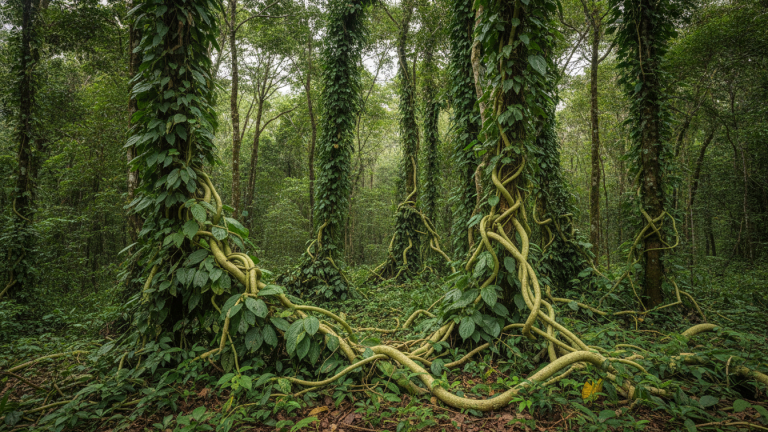
Have you noticed that plant taking over your neighbor’s yard, suffocating everything around it? Or heard about tilapia that dominated entire rivers in the Central-West region? These situations, which seem like everyday details, reveal one of the most serious problems for planetary biodiversity. According to the International Union for Conservation of Nature (IUCN), invasive species are one of the leading causes of animal and plant extinction worldwide, alongside habitat destruction and climate change.
Brazil, with its unparalleled biological diversity, is especially vulnerable. We are the country with the greatest biodiversity on the planet, but that also means we have much to lose when a foreign species enters our ecosystem uncontrollably. The problem is not theoretical: it affects rivers that supply cities, crops that produce the beans on your table, and beaches where you spend vacations.
In this text, you’ll understand what makes a species “invasive,” why it matters for your daily life, and what any ordinary person can do to avoid being part of the problem—and even help with the solution.
What Makes a Species Become Invasive
Not every species that comes from elsewhere is invasive. Wheat, coffee, and sugarcane are not native to Brazil, but they’ve lived here for centuries without devastating ecosystems. The problem begins when an exotic species finds an environment without natural predators, without diseases that control it, and with abundant resources. Under these conditions, it reproduces at a speed that local ecosystems simply cannot absorb.
An invasive species is one that, introduced outside its original habitat, begins to reproduce uncontrollably and cause damage to the environment, economy, or human health. The difference between “exotic” and “invasive” lies precisely in the impact: when the species begins to displace native ones, it becomes a real problem.
The entry methods are varied. Some arrive with ships, in ballast water used to stabilize vessels. Others come as pets or ornamental plants that escape or are released. There are also those that enter through agriculture, such as forages that spread beyond pastures.
Real Examples Affecting Brazil Today
The European wild boar (Sus scrofa) is perhaps the most emblematic case in Brazil. According to Ibama, the animal was already present in more than 1,000 municipalities in different Brazilian states according to the latest available surveys. It devastates crops, destroys the top layer of soil, and competes directly with native animals like the white-lipped peccary and the collared peccary. The cost to farmers is enormous, especially in the South and Central-West.
In aquatic environments, the giant African snail (Achatina fulica) is a double threat: it destroys plantations and can transmit parasites that cause human diseases. The Nile tilapia, introduced for aquaculture, has dominated rivers and reservoirs in various regions, competing with native species and altering aquatic ecosystem dynamics. In marine ecosystems, the sun coral (Tubastraea coccinea) covers rocks and artificial structures along the Brazilian coast, preventing native species from settling and reproducing.
In the plant world, paspalum grass and brachiaria are African grasses that have spread through savanna, Atlantic forest, and other biomes, altering fire regimes and preventing native vegetation regeneration. The National Institute for Space Research (Inpe) has already documented how these grasses intensify fires in the Cerrado, increasing the frequency and intensity of wildfires.
Why the Problem Is Economic, Not Just Ecological
When talking about biodiversity, many people think of something distant, the stuff of documentaries. But the economic impact of invasive species is concrete and affects services you use every day.
The water that supplies your city depends on healthy river basins. Invasive species that alter riverbank vegetation compromise the quality and quantity of available water. If you want to understand better how environmental destruction affects water supply in the country, the article on water scarcity in Brazil provides a straightforward overview.
In agriculture, losses are in the billions. Invasive weeds reduce crop productivity, forcing the use of more herbicides and increasing production costs. This reaches the price of food at your market. Invasive pests, such as the wood wasp in pine plantations in Southern Brazil, have already caused documented losses to the forestry sector.
Tourism also suffers. Beaches with invasive jellyfish, lagoons dominated by exotic algae, and forests without native fauna are less attractive and sustainable. The cost of controlling and managing these species falls on municipal and state governments—that is, on public money.
How Invasive Species Reach Us, and Everyone’s Role
Most invasive species introductions in Brazil are directly related to human activities, often without ill intent. Understanding the most common pathways is the first step to not being part of the problem.
- Releasing exotic pets into nature (aquarium fish, turtles, birds) is one of the main routes of introduction in urban and periurban environments
- Transporting fruits, plants, and seedlings between states or countries without phytosanitary control introduces pests and pathogens
- Buying exotic species without checking if they’re permitted by Ibama contributes to the illegal trade that fuels this cycle
- Using invasive ornamental plants in your garden, such as leucena or running bamboo in some regions, without knowing the dispersal risk
Ibama maintains an official list of invasive exotic species in Brazil, which is a reference for managers, researchers, and any citizen who wants to check if an animal or plant represents a risk before acquiring or cultivating it.
What You Can Do in Practice
Acting against invasive species doesn’t require special equipment or advanced technical knowledge. Small everyday choices have real effect.
- Before buying an exotic animal, consult Ibama’s list of permitted species. Red-eared sliders, for example, are prohibited from being sold in Brazil precisely because of invasion risk.
- Never release pets into nature. If you can no longer care for an animal, seek out a shelter, rescue NGO, or responsible adoption group.
- Avoid releasing aquarium fish into rivers, lakes, or reservoirs. Even if it seems like an act of kindness, it can cause irreversible damage to the local ecosystem.
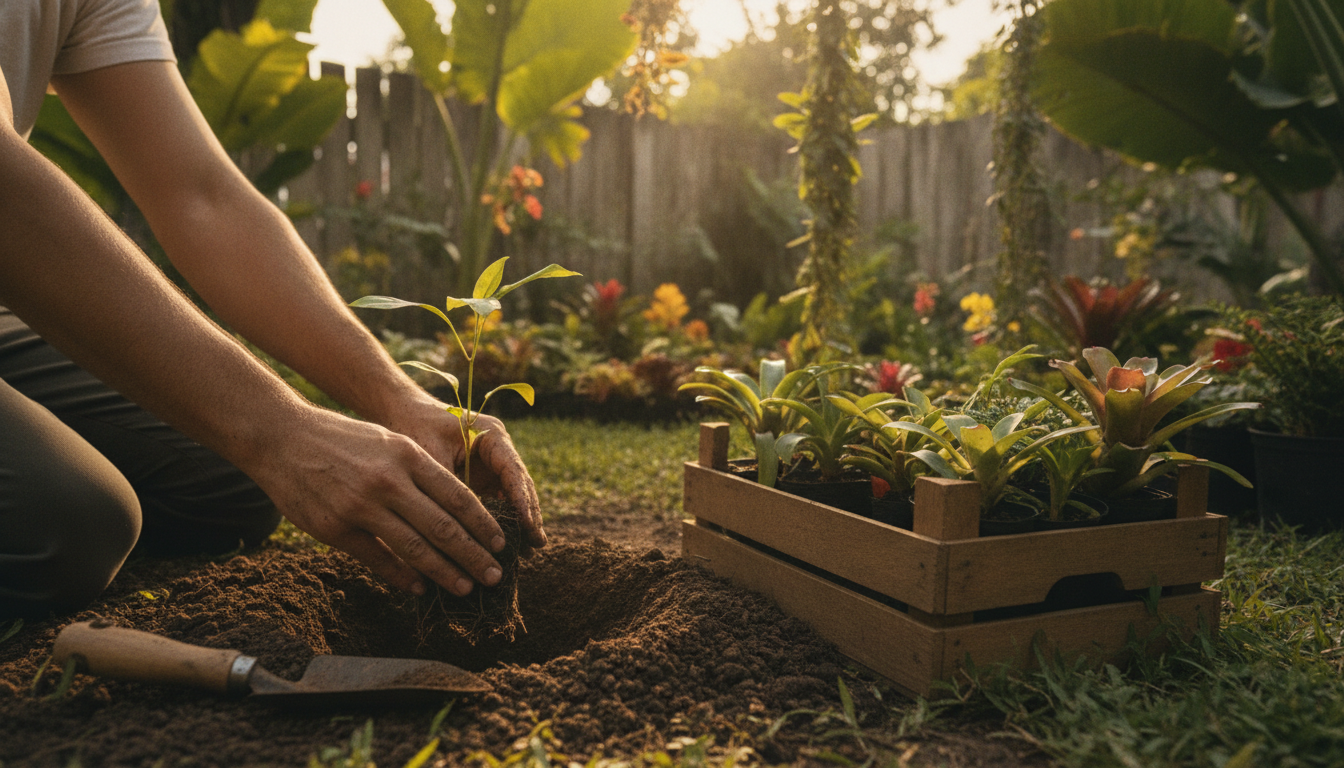
- When choosing plants for your garden or balcony, prefer species native to your region. They attract local pollinators, require less water, and pose no invasion risk. Nurseries specializing in native plants exist in almost every Brazilian capital.
- When traveling, don’t bring seedlings, seeds, or fruits without proper phytosanitary authorization, even if they seem harmless.
- Participate in invasive species removal efforts. Many city governments, state parks, and NGOs organize invasive species removal actions open to the public. It’s a direct way to contribute.
- Report illegal animal trade to Ibama or the green line (0800 61 8080), available for free.
Choosing seasonal foods produced locally also contributes indirectly, as it reduces pressure for extensive monocultures that depend on exotic species and are more vulnerable to invasive pests.
What Brazilian Law Says About the Issue
Brazil has legal instruments to address the problem. Federal Decree 6.514/2008 provides for fines against those who introduce exotic species without competent environmental authorization. The National Biodiversity Policy, instituted by Decree 4.339/2002, includes invasive species control as one of its guidelines.
The Ministry of Environment (MMA) coordinates the National Strategy on Invasive Exotic Species, which guides states and municipalities in prevention and control. Some states, such as São Paulo and Rio Grande do Sul, have more detailed own legislation.
In practice, however, enforcement is still insufficient for the size of Brazilian territory. That’s why individual and community awareness makes real difference, not just as a complement, but as an essential part of the solution.
Frequently Asked Questions About Invasive Species
Is having an exotic plant in the garden already a problem?
Not always. The risk lies in species with high dispersal potential outside controlled environments. Plants like wolf apple or azalea rarely become invasive. The problem occurs with species that reproduce easily in nearby natural environments, such as certain types of bamboo and certain ornamental palms. Consulting a nursery specializing in plants native to your region is the safest way to make the right choice.
Does tilapia bought at the market contribute to the problem?
The tilapia you buy at the supermarket comes from controlled fish farming, so consumption itself doesn’t feed the problem. The issue lies in accidental or intentional release of fingerlings in natural water bodies, a practice that mainly occurs in poorly managed farms. Consuming tilapia from certified farming does not worsen the situation.
How do I know if a species is invasive in my state?
Ibama provides lists of invasive exotic species, and the Hórus Institute, an organization specialized in the topic, maintains a publicly accessible database. State environmental secretariats also typically have regionalized information, useful because the risk can vary according to the biome.
Can children help combat invasive species?
Yes, very much so. Environmental education projects in schools, such as those coordinated by NGOs in partnership with city governments, show that children are efficient multipliers. Teaching from an early age not to release animals and to prefer native plants creates habits that last a lifetime.
Make One Choice Today
The invasive species problem seems too big for one person. But each introduction begins with an individual decision: whether or not to buy that exotic fish, whether or not to release that turtle in the park lake, whether or not to plant that seedling without knowing where it came from.
The good news is that the opposite direction also starts with simple choices. Today itself, you can research which native plants grow well in your climate and plant one in a pot or garden bed. You can share what you’ve learned here with someone who has an aquarium at home. You can report an illegal sale of wildlife that you saw online.
Each of these actions has real weight. Brazilian biodiversity doesn’t depend only on public policies; it depends on millions of people making better choices, every single day.
