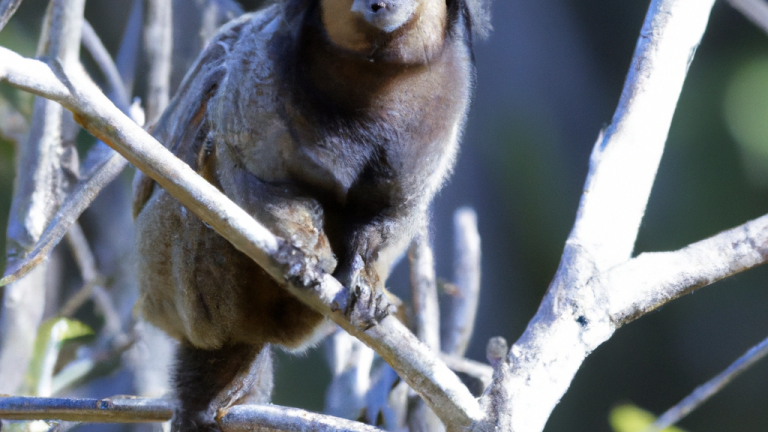
Protecting Nature: The Importance of Wildlife Conservation
Wildlife plays a fundamental role in maintaining natural ecosystems and promoting biodiversity. Preserving wildlife is essential to ensure ecological balance and the planet’s sustainability. In this article, we will explore the importance of protecting wildlife and the measures we can take to conserve endangered species.
The Importance of Wildlife
Wildlife includes a vast variety of animal and plant species that inhabit natural ecosystems worldwide. These species play vital roles in ecosystems, such as plant pollination, seed dispersal, pest control, and population balance. Additionally, wildlife contributes to environmental health and human well-being.
Preserving wildlife is essential to maintaining biodiversity, which is the variety of life forms existing on the planet. Biodiversity is important because it ensures ecosystem stability and the resilience of natural communities in the face of environmental changes. Moreover, biodiversity is crucial for the production of food, medicines, and other natural resources that sustain life on the planet.
Impacts of Wildlife Loss
The loss of wildlife is a global problem with serious consequences for the environment and society. The destruction of natural habitats, illegal hunting, the trade of endangered species, and climate change are some of the main threats to wildlife worldwide. These human activities have led to the decline of many species and the degradation of natural ecosystems.
Furthermore, wildlife loss can negatively impact the economy, health, and well-being of local communities. For example, the decline in pollinator animal populations can affect food production, while the extinction of medicinal species can limit access to essential disease treatments.
Wildlife Conservation Measures
To protect wildlife and ensure its survival, effective conservation measures must be adopted. Some of the main conservation strategies include creating protected areas, combating illegal hunting and the trade of endangered species, reforesting degraded habitats, and educating the public about environmental issues.
Protected areas, such as national parks and nature reserves, play a crucial role in wildlife conservation as they provide safe habitats for species and allow the recovery of threatened populations. Additionally, combating illegal hunting and the trade of endangered species is fundamental to preventing the extinction of animals and plants in danger.
Reforesting degraded areas is another important measure for wildlife conservation, as it helps restore natural habitats and promote biodiversity. Moreover, environmental education is essential to raise awareness about the importance of wildlife and the conservation of natural ecosystems.
Conclusion
Preserving wildlife is fundamental to ensuring the planet’s health and the well-being of future generations. Protecting endangered species and conserving natural ecosystems is a responsibility for all of us. By adopting sustainable practices, supporting the creation of protected areas, and combating threats to wildlife, we can contribute to maintaining biodiversity and the planet’s sustainability.
To learn more about building a greener future and promoting ecological balance, check out the following posts on our blog:
- Building a Greener Future: The Power of Sustainable Development
- Ecological Balance: The Key to a Healthy Planet
- Contaminated Water: The Impacts of Pollution and How We Can Reverse This Situation
- Breathing Pollution: The Invisible Dangers of the Air We Breathe
- Waste: The Invisible Enemy Draining Your Life and Wallet
