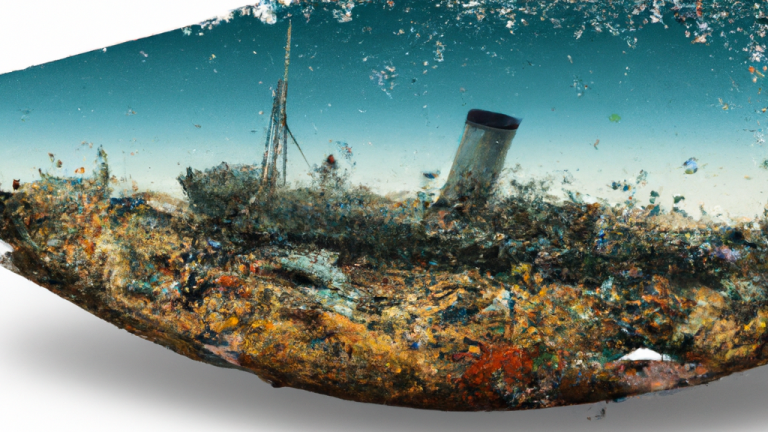
Unveiling Invisible Dangers: How Water Pollution Impacts the Environment and Human Health
Water is a vital resource for life on Earth, essential for the survival of all living forms. However, water pollution is one of the greatest environmental challenges we face today. The contamination of water by chemicals, industrial waste, sewage, and other pollutants has devastating effects on the environment and human health. In this article, we will explore the invisible dangers of water pollution and how it affects both the environment and people’s health.
Impact of Water Pollution on the Environment
Water pollution has a significant impact on the environment, causing irreversible damage to aquatic ecosystems. The contamination of water by toxic chemicals, such as heavy metals and pesticides, can kill aquatic life and destroy natural habitats. Additionally, the increase in water temperature due to thermal pollution can lead to a decline in aquatic biodiversity and affect the reproduction of aquatic species.
Water pollution can also result in eutrophication, a phenomenon caused by an excess of nutrients in the water, usually due to runoff from agricultural fertilizers and organic waste. This leads to excessive algae growth, which consumes the oxygen in the water and creates dead zones where aquatic life cannot survive. Eutrophication can cause mass fish deaths and other aquatic species, disrupting the entire aquatic ecosystem.
Moreover, water pollution can affect the water resources available for human consumption. The contamination of drinking water by harmful chemicals poses a serious risk to public health, causing diseases such as diarrhea, hepatitis, and cancer. The lack of access to clean and safe water is a threat to millions of people worldwide, especially in developing countries.
Impact of Water Pollution on Human Health
Water pollution has a direct impact on human health, causing a range of diseases and health conditions. The contamination of drinking water by bacteria, viruses, parasites, and toxic chemicals can lead to gastrointestinal diseases, respiratory infections, skin diseases, and even poisoning. The ingestion of contaminated water is one of the leading causes of morbidity and mortality worldwide, affecting primarily children and vulnerable communities.
Furthermore, water pollution can indirectly affect human health through food contamination and exposure to toxic chemicals. Chemical residues and heavy metals present in water can accumulate in fish, shellfish, and other seafood, making these foods unsafe for human consumption. Chronic exposure to these substances can lead to chronic diseases, such as cancer, neurological problems, and damage to the immune system.
Additionally, water pollution can affect reproductive health and child development. Exposure to toxic chemicals in water can cause fertility problems, miscarriages, birth defects, and delays in children’s physical and mental development. Therefore, water pollution poses a serious risk to human health and the well-being of future generations.
Measures to Prevent Water Pollution
To protect the environment and human health from the invisible dangers of water pollution, it is essential to adopt effective measures to prevent and control water contamination. Some important steps that can be taken include:
- Sewage Treatment: Ensuring proper treatment of sewage and industrial waste before they are discharged into water is crucial to reduce water contamination by pathogens and toxic chemicals.
- Restrictions on Pesticide and Fertilizer Use: Implementing stricter regulations on the use of agricultural pesticides and fertilizers can help reduce eutrophication and chemical contamination in water.
- Promotion of Sustainable Agricultural Practices: Encouraging the adoption of sustainable agricultural practices, such as organic farming and crop rotation, can help reduce the impact of agriculture on water quality.
- Water Quality Monitoring: Establishing water quality monitoring programs and implementing early warning systems can help identify contamination sources and take corrective actions quickly.
Moreover, it is important to promote public awareness about the dangers of water pollution and encourage active community participation in protecting water resources. Small individual actions, such as reducing plastic use, avoiding improper disposal of medications and chemicals, and conserving water, can have a significant impact on reducing water pollution and preserving the environment.
Conclusion
Water pollution poses a significant threat to the environment and human health, causing irreparable damage to aquatic ecosystems and endangering the lives of millions of people worldwide. It is crucial to adopt effective measures to prevent and control water contamination to protect water resources and ensure the health and well-being of future generations. Public awareness, water quality monitoring, and the promotion of sustainable practices are essential to address the invisible dangers of water pollution and ensure a healthier and more sustainable future for all.
To learn more about protecting the environment and promoting sustainability, check out the following posts on our blog:
- Transform Your Financial Life: Simple Actions for Big Impact
- Clean Energy: The Sustainable Future of Electricity Generation
- The Future of Earth in Our Hands: How Global Warming Affects Our Lives
