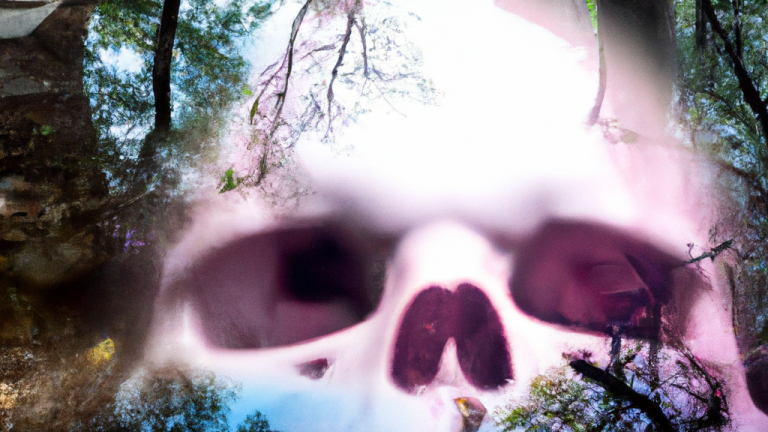
Waste: The Invisible Enemy Damaging Our Planet
Waste is a global issue with devastating consequences for the environment. Every day, tons of food, water, energy, and natural resources are wasted worldwide, contributing to the planet’s degradation and resource scarcity. In this article, we will explore the impact of waste on the environment and society, as well as discuss ways to reduce and combat this growing problem.
The Environmental Impact of Waste
Waste has a significant impact on the environment, resulting in deforestation, air and water pollution, biodiversity loss, and climate change. For example, large-scale food production requires intensive use of natural resources like water, land, and energy. When these foods are wasted, all these resources are lost, exacerbating environmental pressure.
Moreover, improper waste disposal contributes to soil, water, and air pollution, affecting the health of people and ecosystems. Plastic waste, for instance, is one of today’s major environmental problems, with millions of tons of plastic discarded in the oceans each year, causing irreparable harm to marine life and coastal ecosystems.
The Social Impact of Waste
Waste not only affects the environment but also has significant social and economic consequences. The scarcity of food, water, and natural resources resulting from waste can lead to food insecurity, poverty, and the displacement of entire communities. Additionally, food waste is a particularly severe issue, considering that millions of people worldwide still suffer from hunger and malnutrition.
Furthermore, the waste of precious resources like water and energy has a direct impact on local and global economies. Water waste, for example, is a growing problem in many parts of the world, where water scarcity is becoming increasingly common. This not only affects the availability of drinking water for local populations but also hampers food production and energy generation.
How to Reduce Waste
To combat waste and protect the environment, it is essential to adopt sustainable practices in all aspects of our lives. Here are some ways to reduce waste and make a difference:
- Reduce the consumption of disposable products and opt for reusable alternatives.
- Buy only what is necessary and avoid food waste.
- Recycle and reuse materials whenever possible.
- Support companies and brands that adopt sustainable practices in their production.
- Participate in recycling and composting programs in your community.
Small individual actions can have a significant impact when it comes to reducing waste and protecting the environment. It is important to remember that each of us has a role to play in the fight against waste and in preserving the planet for future generations.
Conclusion
Waste is an invisible enemy damaging the planet, causing irreparable harm to the environment and society. It is crucial that each of us does our part to reduce waste and adopt sustainable practices in our daily lives. Only through collective and conscious actions can we combat this global problem and protect the planet for future generations.
