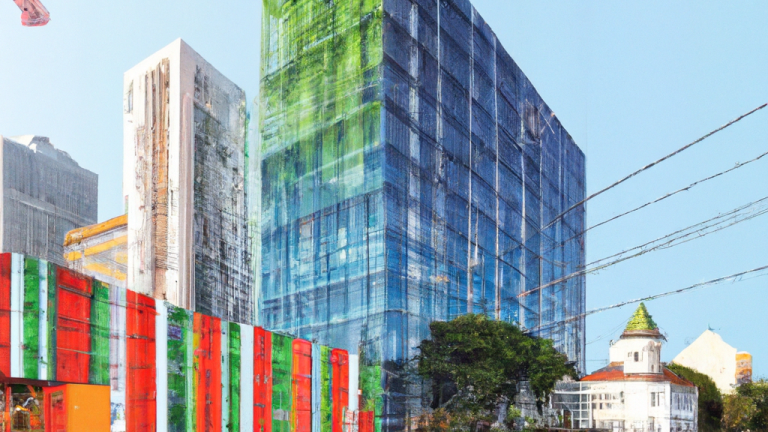
Transforming Cities: The Power of Urban Sustainability
Urban sustainability is an increasingly relevant concept in a world where urbanization is rapidly growing. Transforming cities into more sustainable spaces not only benefits the environment but also improves the quality of life for their inhabitants. In this article, we will explore the power of urban sustainability and how it can be effectively implemented.
What is Urban Sustainability?
Urban sustainability refers to the practice of developing and managing cities in a way that meets the needs of the present generations without compromising the ability of future generations to meet their own needs. This involves creating urban spaces that are socially inclusive, economically prosperous, and ecologically healthy.
Benefits of Urban Sustainability
Implementing sustainable practices in cities brings a range of benefits to their inhabitants and the environment as a whole. Some of the main benefits include:
- Reduction of air pollutant emissions;
- Preservation of green areas and natural ecosystems;
- Promotion of sustainable urban mobility;
- Improvement of air and water quality;
- Stimulation of the local economy;
- Promotion of social inclusion;
- Reduction of natural resource consumption.
Urban Sustainability Practices
There are various practices and initiatives that can be adopted to make cities more sustainable. Some of them include:
Efficient Public Transportation
Investing in an efficient and accessible public transportation system is crucial to reduce the use of individual vehicles and, consequently, emissions of pollutants. Encouraging the use of bicycles and creating bike lanes also contributes to more sustainable mobility.
Use of Renewable Energies
Promoting the use of renewable energies, such as solar and wind, in buildings and public spaces in cities is an effective way to reduce dependence on fossil fuels and decrease greenhouse gas emissions.
Recycling and Waste Management
Implementing recycling and composting programs, as well as adopting efficient waste management practices, are essential measures to reduce the amount of waste generated in cities and promote a circular economy.
The Role of Citizens in Urban Sustainability
Citizens play a fundamental role in promoting urban sustainability. Engaging in sustainable practices in daily life, such as saving water and energy, reducing plastic consumption, and using public transportation, are simple actions that can have a significant impact on the environment.
Moreover, participating in movements and organizations that promote urban sustainability, such as cyclist groups, environmental defense associations, and recycling cooperatives, is an effective way to contribute to building more sustainable cities.
Conclusion
Urban sustainability is essential to ensure a more balanced and healthy future for the next generations. Transforming cities into more sustainable spaces requires the involvement of governments, businesses, civil society organizations, and, most importantly, citizens. By adopting sustainable practices and raising awareness about the importance of urban sustainability, we can create more resilient, inclusive, and prosperous cities for everyone.
