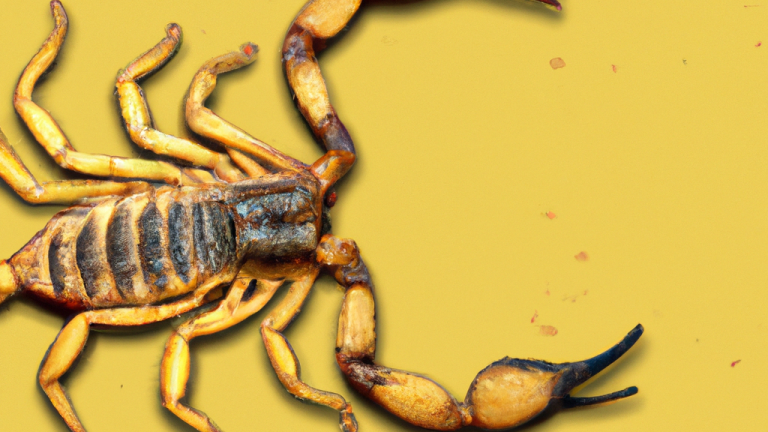
Discover the Incredible Diversity of Life on Our Planet: Understanding Biodiversity and Its Importance
Biodiversity, or biological diversity, refers to the variety of life on Earth, including plants, animals, fungi, and microorganisms. This diversity is essential for the healthy functioning of ecosystems and human well-being. In this article, we will explore what biodiversity is, why it is so important, and how we can protect it.
What is Biodiversity?
Biodiversity is measured at three levels: genetic diversity, species diversity, and ecosystem diversity. Genetic diversity refers to the variety of genes within a species, allowing it to adapt to environmental changes. Species diversity is the variety of different species in a given ecosystem. Ecosystem diversity encompasses the different types of habitats, such as forests, oceans, deserts, and rivers, and the variety of interactions between species and their environment.
The Earth harbors an impressive amount of biodiversity, with millions of different species coexisting in an intricate web of life. From the smallest microorganisms to the largest mammals, each living being plays a crucial role in maintaining the planet’s ecological balance.
Why is Biodiversity So Important?
Biodiversity plays a crucial role in various aspects of our lives. Here are some reasons why it is so important:
1. Ecosystem Stability
The diversity of species in an ecosystem increases its resilience and stability. The more variety of plants, animals, and microorganisms, the more capable the ecosystem is of recovering from disturbances such as climate change, diseases, and natural disasters. Different species perform different functions in the ecosystem, ensuring its proper functioning.
2. Ecosystem Services
Biodiversity provides a range of essential services for humans, known as ecosystem services. This includes plant pollination, water purification, climate regulation, pest control, and pollination of agricultural crops. Without biodiversity, these services would be compromised, directly affecting our quality of life.
3. Medicines and Food
Many species of plants and animals are important sources of medicines and food. Biodiversity provides us with a variety of natural resources that are essential for our survival. The loss of biodiversity means the loss of potential cures for diseases and food options.
How Can We Protect Biodiversity?
Faced with the growing threat to biodiversity caused by human actions, it is essential that we take measures to protect it. Here are some ways to contribute to biodiversity preservation:
1. Habitat Conservation
Preserving natural habitats, such as forests, oceans, and savannas, is crucial for biodiversity protection. Supporting conservation initiatives and avoiding ecosystem destruction are important steps to ensure species survival.
2. Combatting Illegal Hunting and Fishing
Illegal hunting and fishing are major threats to biodiversity in many regions of the world. Supporting measures to combat these illegal practices and promoting responsible consumption of wildlife products are ways to protect species at risk of extinction.
3. Promoting Sustainable Agriculture
Intensive agriculture and excessive use of pesticides and fertilizers can have negative impacts on biodiversity. Promoting sustainable agricultural practices, such as agroecology and organic farming, can help preserve species diversity and protect ecosystems.
Conclusion
Biodiversity is one of our planet’s most precious resources, playing a fundamental role in maintaining life on Earth. Protecting and preserving biodiversity is essential to ensure a sustainable future for future generations. It is up to each of us to take steps to protect the variety of life on our planet and ensure its long-term survival.
To learn more about how to protect the environment and make a difference, check out our post 5 Simple Ways to Protect the Environment and Make a Difference.
