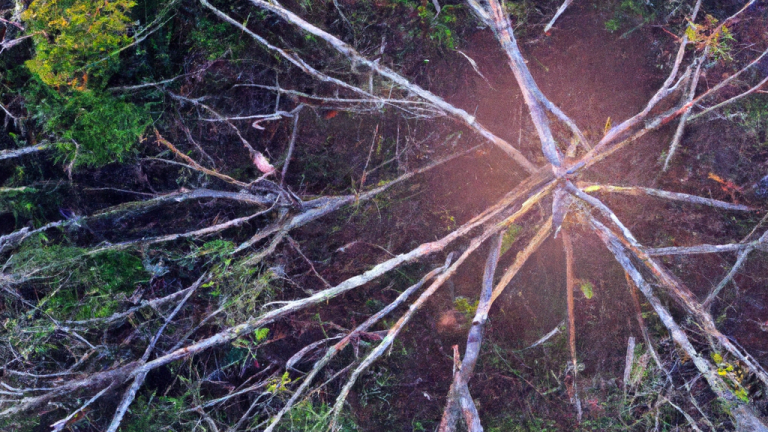
Reversing Deforestation: The Crucial Role of Reforestation in Environmental Restoration
Deforestation is one of the major environmental issues we face today. The loss of forests has devastating impacts on biodiversity, global climate, and people’s quality of life. However, reforestation emerges as an effective solution to reverse this worrying trend and restore degraded ecosystems.
The Importance of Forests for the Environment
Forests play a fundamental role in climate regulation, biodiversity conservation, soil protection, and the provision of essential natural resources for life on the planet. They act as carbon sinks, capturing carbon dioxide from the atmosphere and helping to mitigate climate change. Additionally, forests are home to thousands of plant and animal species, contributing to the maintenance of biological diversity.
However, human activity has caused the accelerated destruction of forests worldwide. Deforestation for agricultural expansion, mining, infrastructure construction, and logging has led to the loss of natural habitats, ecosystem fragmentation, and increased greenhouse gas emissions. As a result, biodiversity is declining, water resources are being compromised, and the impacts of climate change are becoming increasingly evident.
The Role of Reforestation in Reversing Deforestation
Reforestation involves planting trees in areas that have been degraded or deforested, with the aim of restoring natural ecosystems and recovering lost environmental services. This practice is essential for the recovery of degraded areas, protection of springs, biodiversity conservation, and promotion of carbon sequestration.
Through reforestation, it is possible to create ecological corridors that connect forest fragments, facilitating the movement of species and promoting the recovery of local fauna and flora. Additionally, planted forests contribute to improved air quality, water cycle regulation, and soil maintenance, preventing erosion and protecting water resources.
One advantage of reforestation is its carbon sequestration capability. Trees absorb carbon dioxide from the atmosphere during photosynthesis, storing carbon in their biomass and soil. In this way, reforestation helps reduce greenhouse gas concentrations in the atmosphere, contributing to the fight against climate change.
Benefits of Reforestation for the Environment and Society
Reforestation brings numerous benefits to the environment and society as a whole. In addition to promoting biodiversity conservation and protecting natural resources, tree planting contributes to improving people’s quality of life by providing essential ecosystem services such as climate regulation, air and water purification, and the supply of food and medicine.
Moreover, reforestation can generate jobs and income for local communities through the implementation of agroforestry systems, production of certified timber, and non-timber forest products such as fruits, nuts, and essential oils. Strengthening the green economy and promoting sustainable development are important aspects to consider in the implementation of reforestation programs.
Challenges and Opportunities for Reforestation
Despite the evident benefits of reforestation, there are challenges to overcome in its implementation. The lack of financial incentives, shortage of skilled labor, lack of planning, and absence of effective public policies are some of the obstacles that can hinder large-scale reforestation expansion.
However, there are also opportunities to promote sustainable and efficient reforestation. Partnerships between government, companies, non-governmental organizations, and local communities can enable reforestation projects, ensuring the participation of various stakeholders and mobilizing the necessary resources for their implementation.
Awareness and engagement of society are crucial for the success of reforestation. Environmental education, promotion of sustainable practices, and encouragement of civic participation are important strategies to raise awareness about the importance of recovering degraded areas and conserving forests.
Conclusion
Reforestation is a powerful tool to reverse deforestation and promote the restoration of degraded ecosystems. By planting trees and recovering deforested areas, we can contribute to biodiversity conservation, climate protection, and improving people’s quality of life. It is essential for governments, companies, organizations, and civil society to unite in favor of reforestation, adopting sustainable practices and committing to environmental preservation. Together, we can make a difference and build a greener and more sustainable future for future generations.
